
Ergonomic Adjustments for Sedentary Lifestyles
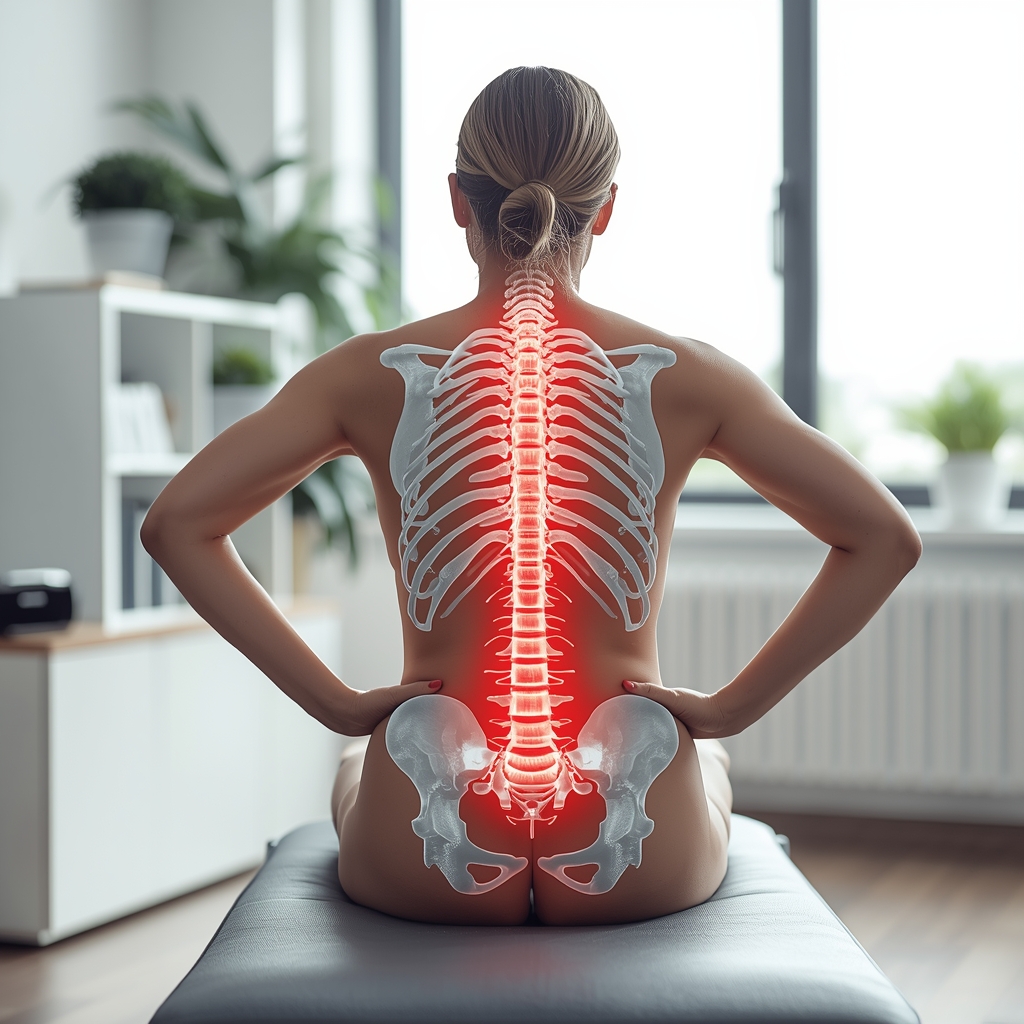
Sedentary patients with sacroiliac joint dysfunction (SIJD) often experience pain exacerbated by prolonged sitting or poor posture. Ergonomic modifications to workspaces and daily routines can alleviate pressure on the sacroiliac joints. Adjusting chair height to maintain a 90-degree angle at the hips and knees, using lumbar support cushions, and taking frequent movement breaks are foundational strategies. Standing desks, ergonomic keyboards, and supportive footwear also contribute to reducing strain. These adjustments help distribute weight more evenly and prevent the pelvic misalignment that worsens SIJD. While not a cure, ergonomic changes create a supportive environment for long-term comfort. A chiropractor can assess individual needs and recommend tailored modifications to complement other treatments.
Low-Impact Exercise and Posture Correction
Regular, low-impact exercise strengthens the muscles stabilizing the sacroiliac joints without overloading them. Activities like swimming, walking, and yoga improve flexibility and core strength, which support the pelvis. Posture correction exercises, such as pelvic tilts and bridges, address imbalances that contribute to SIJD. Sedentary individuals may benefit from guided programs that emphasize gentle movement and alignment. Consistency is key, as these exercises build resilience over time. However, patients should avoid high-impact or twisting movements that could aggravate symptoms. A chiropractor or physical therapist can design a safe, progressive routine. Combining exercise with ergonomic practices enhances long-term outcomes, reducing reliance on passive treatments.
Manual Therapy and Soft Tissue Techniques
Non-invasive manual therapies, such as chiropractic adjustments and soft tissue work, can relieve SIJD symptoms by restoring joint mobility and reducing muscle tension. Techniques like myofascial release and trigger point therapy target tight muscles around the pelvis, which often compensate for joint instability. Chiropractors may use gentle manipulations to realign the sacroiliac joints, improving function and decreasing pain. These approaches are typically part of a broader care plan, not standalone solutions. Patients should discuss their sedentary habits with providers to ensure techniques are adapted for their lifestyle. Regular sessions, combined with self-care practices, can provide sustained relief. Always consult a qualified professional to avoid risks associated with improper manipulation.
Lifestyle Modifications and Pain Management
Managing SIJD in sedentary individuals involves addressing factors that contribute to chronic pain. Weight management, stress reduction, and sleep posture adjustments play roles in overall joint health. Excess weight increases pressure on the sacroiliac joints, while poor sleep positions can strain the lower back. Mindfulness practices, such as meditation, may help manage pain perception. Over-the-counter anti-inflammatories should be used cautiously and under guidance, as long-term use carries risks. Patients are encouraged to track symptoms and triggers to identify patterns. These lifestyle changes, when integrated with other strategies, create a holistic approach to pain management. A chiropractor can help prioritize modifications based on individual needs.
Chiropractic Care Plans for Long-Term Management
Customized chiropractic care plans offer structured, long-term support for SIJD. These plans often combine periodic adjustments, therapeutic exercises, and lifestyle advice to address both symptoms and underlying causes. Sedentary patients may require less frequent visits compared to active individuals, but consistency remains vital. Care plans are typically reviewed and adjusted based on progress, ensuring treatments evolve with the patient’s needs. Education on self-management techniques empowers individuals to maintain improvements between visits. While results vary, many find that ongoing care reduces flare-ups and improves quality of life. Patients should work closely with their chiropractor to establish realistic goals and monitor outcomes over time.
Importance of Patient Education and Self-Management
Empowering patients with knowledge about SIJD fosters proactive self-management. Understanding the condition’s triggers, such as poor posture or overexertion, helps individuals make informed decisions. Educational resources may include guidance on proper lifting techniques, movement patterns, and recognizing early signs of flare-ups. Self-care routines, like stretching and heat therapy, can be integrated into daily life. Regular communication with healthcare providers ensures adjustments to strategies as needed. Sedentary patients, in particular, benefit from learning how to modify tasks to minimize joint strain. Education transforms passive care into an active partnership, enhancing long-term success. A chiropractor can provide personalized materials and support to reinforce these practices.












