
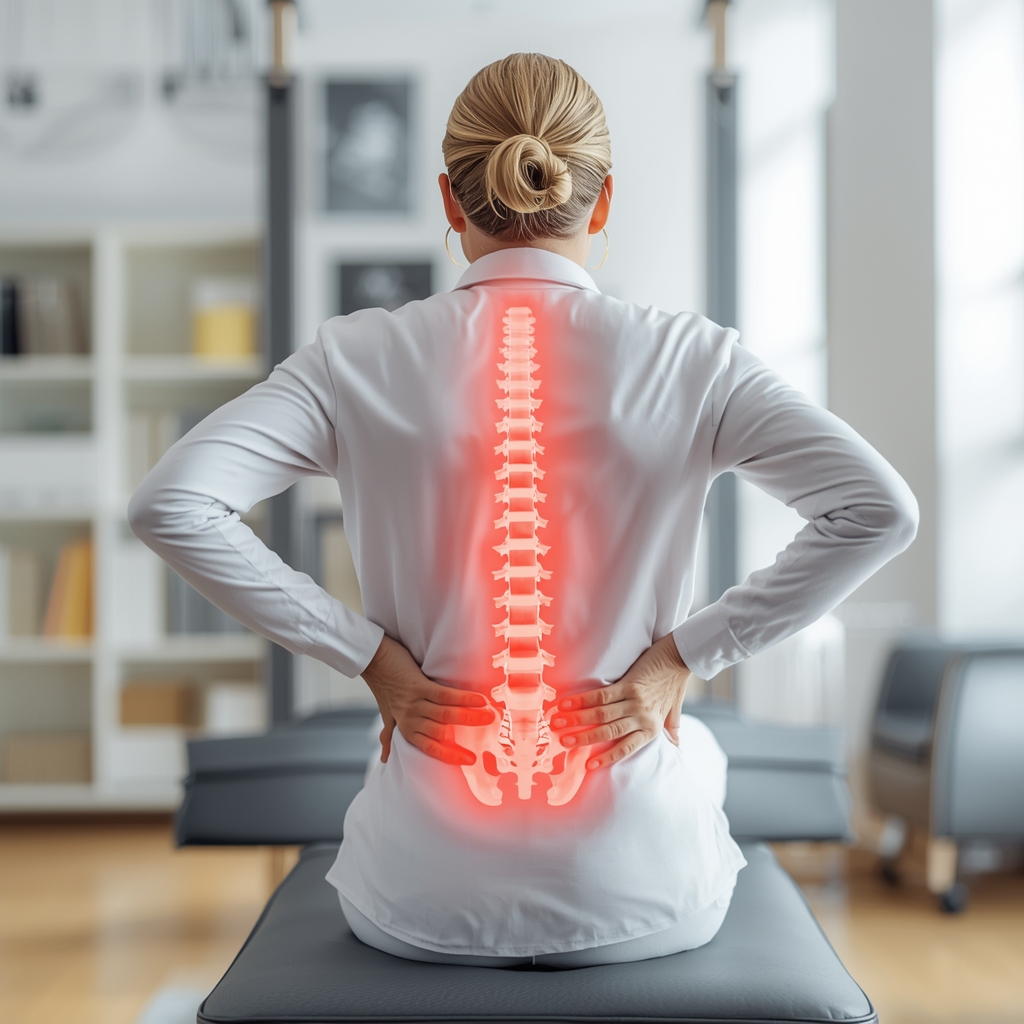
Understanding Recurrent Sacroiliac Joint Pain
Sacroiliac (SI) joint pain occurs when the joints connecting the spine to the pelvis become inflamed or dysfunctional. This condition can stem from injury, arthritis, pregnancy, or post-surgical recovery, leading to discomfort in the lower back, hips, and legs. For patients with recurrent SI joint pain, non-surgical approaches are often prioritized to avoid further interventions. Chiropractors focus on restoring alignment, reducing inflammation, and improving mobility through targeted, conservative methods. These strategies aim to address the root causes of pain while supporting long-term stability and function.
Spinal Manipulation and Joint Adjustments
Chiropractic adjustments are a cornerstone of non-surgical SI joint care. By gently realigning the pelvis and spine, chiropractors can alleviate pressure on the SI joints and restore normal movement patterns. This technique is particularly beneficial for patients with misalignments contributing to chronic pain. Adjustments are typically performed with controlled, precise forces to minimize discomfort. While effective for many, the appropriateness of this method depends on the individual’s condition, making it essential to consult a qualified chiropractor for a personalized assessment.
Soft Tissue Therapy and Myofascial Release
Soft tissue therapies target the muscles and connective tissues surrounding the SI joints, which often become tight or inflamed in cases of recurrent pain. Techniques like Active Release Technique (ART) and myofascial release help break down adhesions, reduce tension, and improve blood flow. These methods can complement joint adjustments by addressing muscular imbalances that may exacerbate SI joint dysfunction. Patients frequently report reduced pain and improved range of motion after consistent sessions. However, results vary, and ongoing care may be necessary for sustained relief.
Corrective Exercises and Rehabilitation Programs
Strengthening and stabilizing the core, hips, and lower back is critical for managing SI joint pain. Chiropractors often prescribe corrective exercises tailored to the patient’s needs, such as pelvic tilts, bridges, and glute activation drills. These exercises enhance musculature support around the SI joints, reducing strain and preventing future flare-ups. A structured rehabilitation program, combined with regular chiropractic visits, can promote long-term recovery. Patients should work closely with their provider to ensure exercises are performed correctly and adjusted as needed.
Lifestyle Modifications and Ergonomic Adjustments
Simple changes to daily habits can significantly impact SI joint health. Chiropractors may recommend ergonomic adjustments for workspaces, sleeping positions, and posture to minimize stress on the pelvis. Avoiding prolonged sitting, using supportive footwear, and maintaining a healthy weight are also key strategies. Patients are encouraged to stay active with low-impact activities like swimming or walking to maintain joint flexibility. These modifications, when paired with professional care, can reduce the frequency and intensity of pain episodes.
Integrative Therapies and Complementary Approaches
Chiropractors often integrate additional therapies to enhance SI joint recovery. Cold laser therapy may reduce inflammation, while electrical stimulation can ease muscle spasms. Dry needling and acupuncture are sometimes used to target trigger points and improve circulation. These approaches are typically part of a broader treatment plan, not standalone solutions. Patients should discuss the risks and benefits of each option with their chiropractor to determine the best fit for their condition. Combining these methods with traditional care can offer a holistic path to pain relief.















