
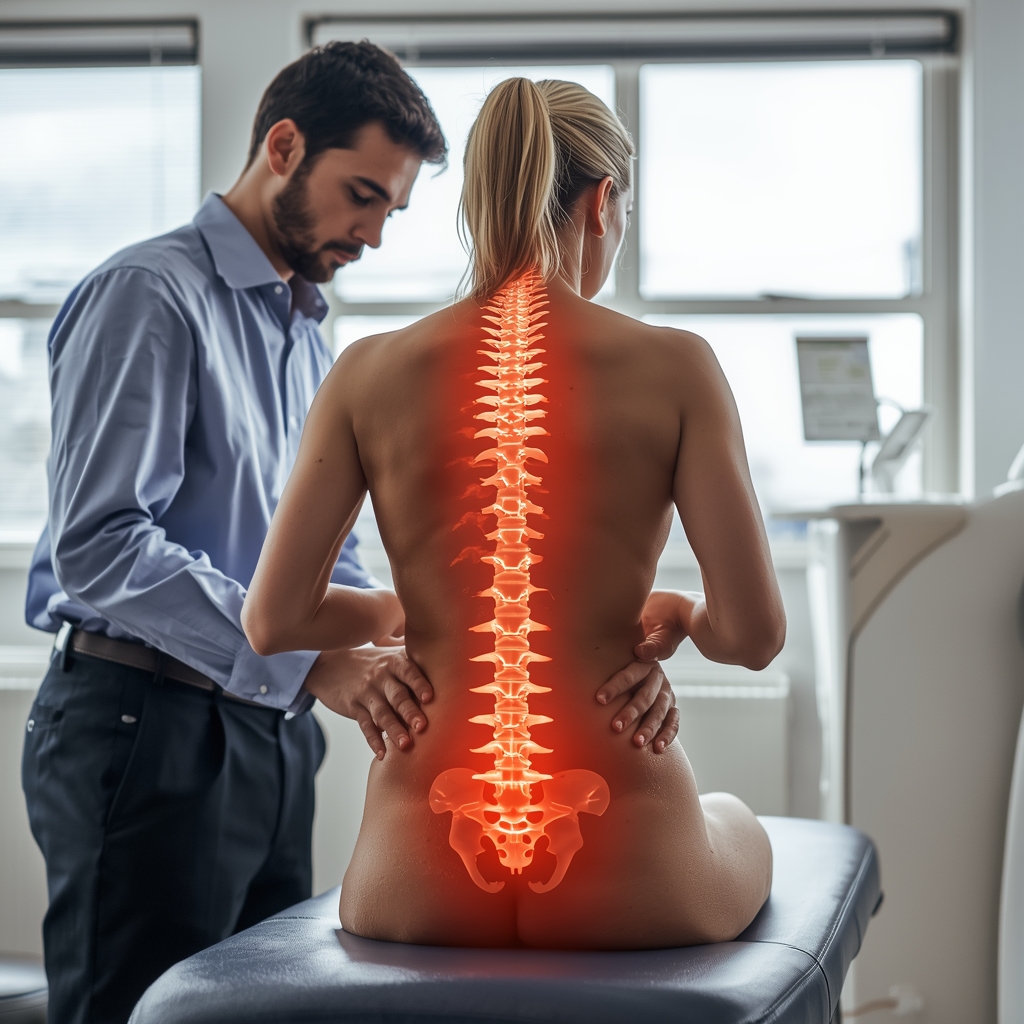
Understanding Sacroiliac Joint Dysfunction
Sacroiliac (SI) joint dysfunction occurs when the joints connecting the spine to the pelvis become misaligned or inflamed, causing pain in the lower back, hips, or legs. This condition often stems from imbalances in posture, muscle weakness, or trauma. Unlike invasive treatments, chiropractic care focuses on non-surgical solutions to restore balance and function. By addressing the root causes rather than just masking symptoms, chiropractors aim to improve mobility and reduce discomfort through targeted, hands-on techniques. Patients seeking alternatives to opioids or surgery often turn to these methods for long-term relief. Understanding the mechanics of the SI joint is key to appreciating how mobilization techniques can realign the spine and alleviate pressure.
Spinal Mobilization Techniques for SI Joint Relief
Chiropractors use gentle, controlled movements to mobilize the SI joint, restoring its natural range of motion. Techniques like spinal manipulation, flexion-distraction, and manual adjustments help realign the joint and reduce inflammation. These methods are tailored to the patient’s specific condition, ensuring safety and effectiveness. For example, flexion-distraction involves a specialized table that gently stretches the spine, decompressing the SI joint. Manual adjustments, performed with precise pressure, correct misalignments that contribute to pain. By improving joint function, these techniques can decrease nerve irritation and muscle tension, offering relief without the risks of surgery or medication. Patients often experience reduced pain and improved mobility after a series of sessions.
Soft Tissue Therapy and Muscle Balance
Addressing muscle imbalances is critical in treating SI joint dysfunction. Chiropractors often incorporate soft tissue therapies like myofascial release or trigger point therapy to relax tight muscles and improve blood flow. Overactive muscles, such as the glutes or piriformis, can exacerbate SI joint strain, while weakened core or stabilizing muscles may contribute to instability. By targeting these areas, chiropractors help restore equilibrium, reducing pressure on the joint. Techniques like Active Release Technique (ART) break down adhesions in soft tissues, enhancing flexibility and function. This holistic approach not only alleviates pain but also supports long-term joint health by promoting proper biomechanics and posture.
Patient Education and Posture Correction
Chiropractors emphasize patient education as a cornerstone of treatment. Teaching proper posture, body mechanics, and ergonomics helps prevent further strain on the SI joint. Patients learn how daily activities—like lifting, sitting, or sleeping—can impact their condition. Customized advice, such as using supportive footwear or adjusting workstations, empowers individuals to take an active role in their recovery. Chiropractors may also recommend corrective exercises to strengthen core and pelvic muscles, enhancing joint stability. This proactive approach reduces the likelihood of recurrence and fosters a deeper understanding of the body’s needs, enabling patients to make informed decisions about their health.
Combining Mobilization with Adjunct Therapies
Chiropractors often integrate spinal mobilization with other non-invasive therapies to enhance outcomes. Modalities like cold laser therapy, ultrasound, or electrical stimulation may be used to reduce inflammation and promote healing. These adjuncts work synergistically with adjustments, providing complementary benefits. For instance, laser therapy can accelerate tissue repair, while ultrasound improves circulation. Chiropractors also guide patients on lifestyle modifications, such as weight management or stress reduction, which indirectly support SI joint health. By combining techniques, practitioners create a comprehensive plan that addresses both immediate symptoms and underlying factors, offering a well-rounded approach to pain management.
Long-Term Benefits and Safety of Non-Invasive Care
Non-invasive chiropractic care for SI joint dysfunction prioritizes long-term wellness over temporary relief. Regular adjustments and soft tissue work can prevent chronic pain and reduce the need for pharmaceuticals or surgery. Studies suggest that these methods are generally safe when performed by licensed professionals, with minimal risks compared to invasive procedures. Patients often report improved quality of life, greater mobility, and fewer pain flare-ups. However, it’s essential to consult a qualified chiropractor to develop a personalized plan. By focusing on natural healing mechanisms, chiropractic care offers a sustainable alternative for managing SI joint dysfunction without the drawbacks of opioids or surgical interventions.













