
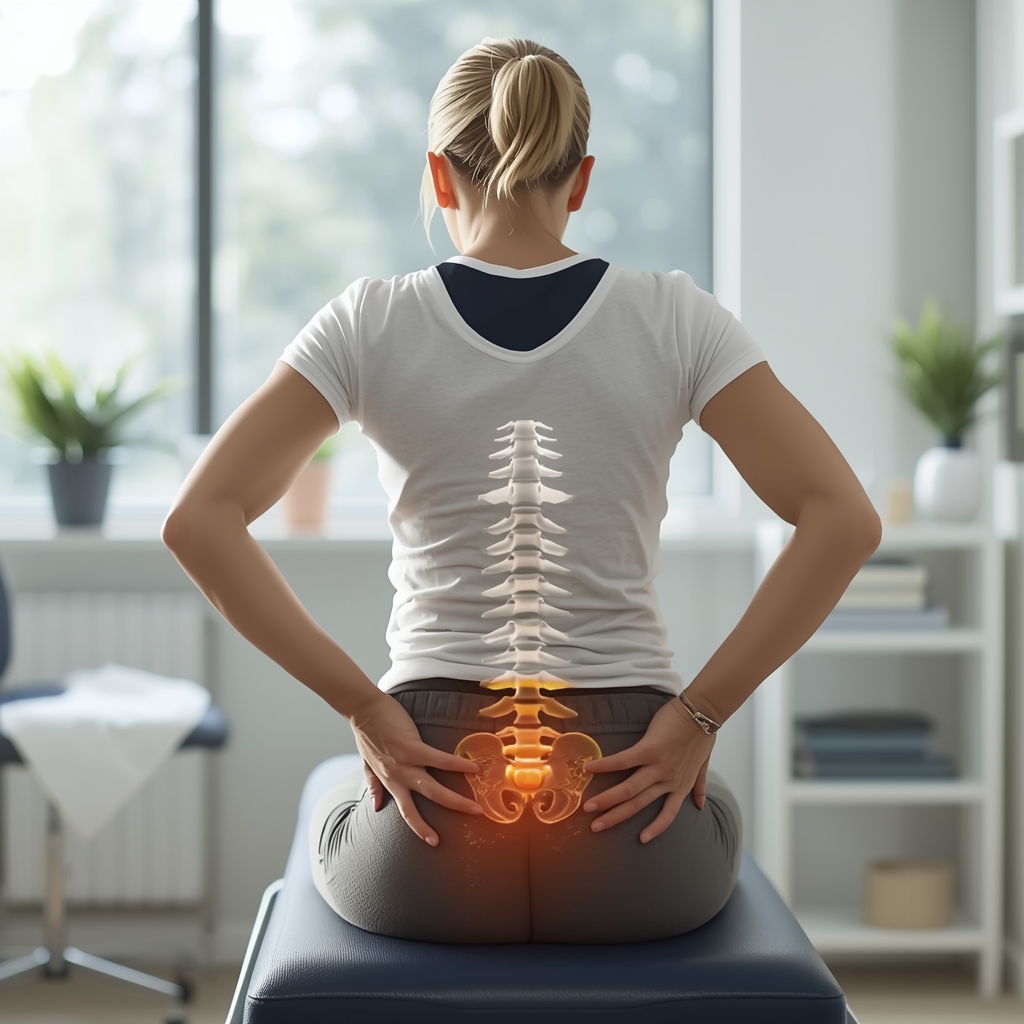
Understanding the Sacroiliac Joint and Its Role in Pelvic Pain
The sacroiliac (SI) joint connects the pelvis to the lower spine, acting as a shock absorber and stabilizer during movement. Dysfunction in this joint can lead to chronic pelvic pain, particularly in athletes due to repetitive stress, improper biomechanics, or trauma. Athletes often experience pain in the lower back, hips, or groin, which may radiate to the thighs. This condition can hinder performance, limit range of motion, and cause discomfort during physical activities. Chiropractors recognize the SI joint’s critical role in posture and movement, making it a focal point for targeted interventions. By addressing SI joint misalignments or restrictions, chiropractors aim to restore balance and reduce pain. However, accurate diagnosis is essential, as symptoms may overlap with other conditions like sciatica or hip disorders. A thorough assessment helps determine if mobilization techniques are appropriate for each athlete’s unique situation.
Common Causes of Chronic Pelvic Pain in Athletes
Chronic pelvic pain in athletes often stems from overuse, repetitive strain, or biomechanical imbalances. High-impact sports like running, soccer, or weightlifting place significant stress on the SI joint, increasing the risk of dysfunction. Injuries such as falls, sudden twists, or improper landing techniques can also contribute to long-term discomfort. Additionally, muscle imbalances—such as tightness in the hip flexors or weakness in the core—may alter joint mechanics, exacerbating pain. Athletes with a history of lower back issues or previous pelvic injuries are particularly vulnerable. Poor posture, inadequate warm-up routines, or improper equipment use further complicate recovery. Chiropractors evaluate these factors to identify underlying causes and develop tailored treatment plans. By addressing both structural and functional contributors, they help athletes regain stability and reduce the likelihood of recurring pain.
Overview of Sacroiliac Joint Mobilization Techniques
Sacroiliac joint mobilization involves gentle, controlled movements to improve joint function and alleviate pain. Chiropractors use manual techniques to realign the SI joint, reduce inflammation, and restore normal motion. These methods may include soft tissue therapy to release tension in surrounding muscles, joint manipulation to correct misalignments, or therapeutic exercises to strengthen stabilizing structures. Some practitioners incorporate tools like activators or traction devices to enhance adjustments. The goal is to decrease pressure on nerves and improve biomechanical efficiency. Athletes often report reduced pain and improved mobility after these sessions. However, techniques vary based on individual needs, and a chiropractor will tailor the approach to the athlete’s condition. It’s important to note that mobilization is part of a broader treatment strategy, often combined with lifestyle modifications or rehabilitation exercises for long-term relief.
How Mobilization Alleviates Pain and Restores Function
Sacroiliac joint mobilization techniques address pain by targeting the root causes of dysfunction. By realigning the joint, chiropractors reduce mechanical stress and improve load distribution, which can ease discomfort during movement. Mobilization also enhances blood flow to the area, promoting healing and reducing inflammation. Additionally, these techniques may relieve pressure on nearby nerves, which can contribute to radiating pain. For athletes, restoring proper SI joint function is crucial for maintaining balance, stability, and athletic performance. Improved mobility allows for more efficient movement patterns, reducing the risk of compensatory injuries. Chiropractors often combine mobilization with soft tissue work to address muscle tightness that may exacerbate joint issues. While results vary, many athletes experience measurable improvements in pain levels and functional ability. Consistent follow-up care helps sustain these benefits and prevent recurrence.
Integrating Mobilization with Other Therapies
Effective treatment of chronic pelvic pain often requires a multidisciplinary approach. Chiropractors may combine sacroiliac joint mobilization with other therapies to optimize outcomes. For example, physical therapy exercises can strengthen core and pelvic stabilizers, complementing joint adjustments. Massage therapy or dry needling may address muscle tension that contributes to SI joint dysfunction. Athletes might also benefit from ergonomic adjustments, activity modification, or sport-specific rehabilitation programs. Chiropractors collaborate with other healthcare providers to ensure a cohesive plan, avoiding conflicting treatments. Education on proper movement mechanics and injury prevention is another key component. By integrating these strategies, chiropractors help athletes achieve lasting relief and reduce the likelihood of future complications. However, individualized care remains essential, as each athlete’s needs and response to treatment differ.
When to Seek Professional Help
If an athlete experiences persistent pelvic pain that interferes with daily activities or performance, consulting a chiropractor is advisable. Chronic pain that doesn’t improve with rest, ice, or over-the-counter medications may indicate underlying SI joint dysfunction. A chiropractor can conduct a comprehensive evaluation, including a physical exam and possibly imaging, to confirm the diagnosis. Early intervention is critical to prevent the condition from worsening or causing secondary issues in other parts of the body. Athletes should avoid self-diagnosis or unproven remedies, as improper techniques may exacerbate the problem. A qualified chiropractor will develop a personalized treatment plan, which may include mobilization, exercise, and lifestyle adjustments. Regular follow-ups ensure progress is monitored and treatments are adjusted as needed. By seeking professional care, athletes can address the root cause of their pain and return to their sport with greater comfort and confidence.














