
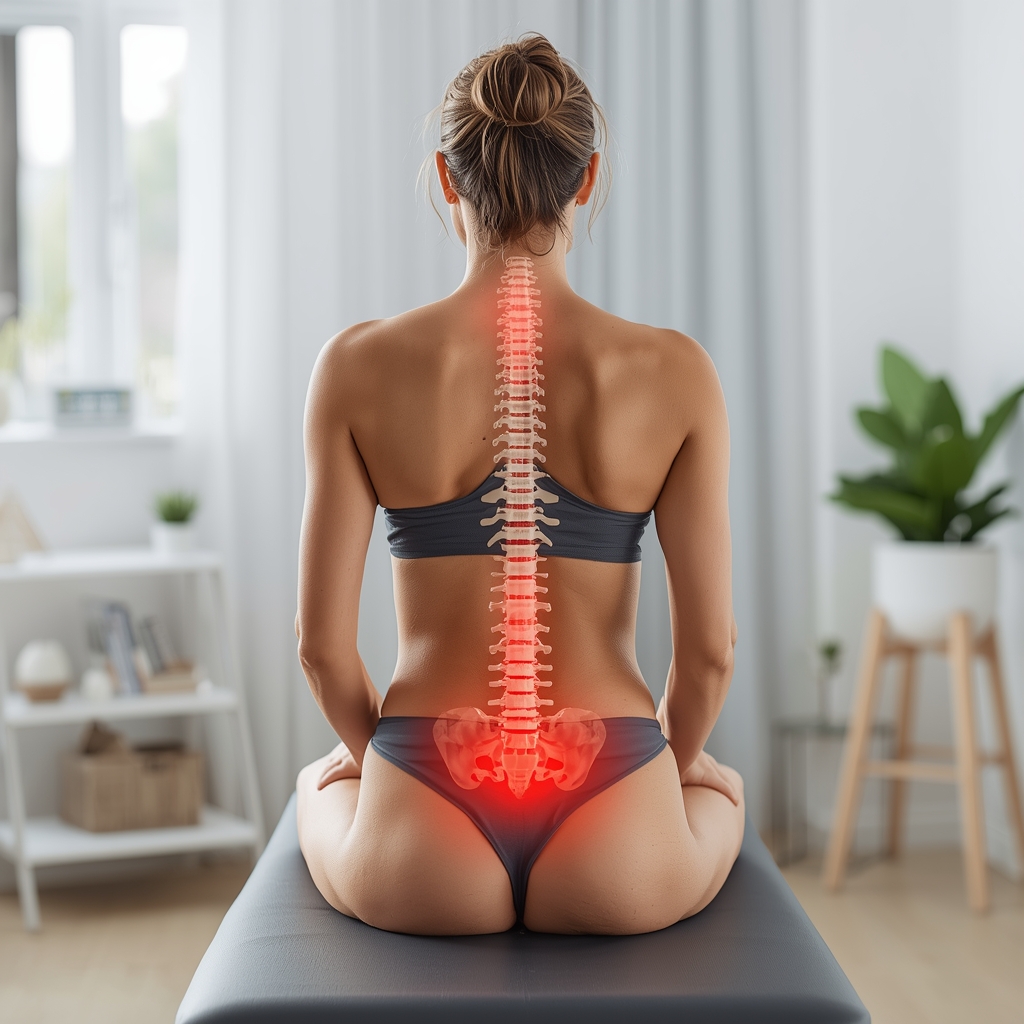
Understanding Sacroiliac Joint Dysfunction
Sacroiliac (SI) joint dysfunction occurs when the joints connecting the sacrum to the pelvis become misaligned or inflamed, leading to pain in the lower back, hips, and legs. This condition can result from trauma, pregnancy, repetitive movements, or imbalances in pelvic muscles. The SI joints play a critical role in transferring weight between the upper body and legs, so dysfunction can disrupt movement patterns and cause chronic discomfort. While the exact causes vary, common symptoms include localized pain, stiffness, and difficulty with activities like standing or walking. Understanding the mechanics of the SI joint helps clarify why targeted mobilization techniques are often recommended as part of a treatment plan. These techniques aim to restore proper alignment and function, reducing pain and improving overall mobility.
Common Mobilization Techniques for SI Joint Dysfunction
Chiropractors and physical therapists often use mobilization techniques to address SI joint dysfunction. These include manual joint manipulation, soft tissue therapy, and specific exercises to improve flexibility and strength. Joint mobilization involves gentle, controlled movements to restore normal joint function, while soft tissue techniques like myofascial release target tight muscles around the pelvis. Some practitioners also employ instrument-assisted methods, such as Graston Technique, to break up adhesions. These approaches are typically part of a broader treatment strategy, combining adjustments with patient education on posture and movement. The goal is to reduce pain, enhance joint stability, and prevent future flare-ups. Patients often report improved range of motion and reduced discomfort after consistent sessions, though results vary based on individual factors.
How Mobilization Techniques Improve Pelvic Stability
Mobilization techniques for SI joint dysfunction focus on restoring balance to the pelvic region, which is essential for overall stability. By addressing misalignments and muscle imbalances, these methods help the SI joints function more efficiently. For example, soft tissue work can alleviate tension in the glutes, piriformis, and lumbar muscles, which often contribute to SI joint strain. Mobilization also encourages proper weight distribution, reducing stress on the pelvis during daily activities. When the SI joints move correctly, they support the spine and lower body more effectively, decreasing the risk of compensatory movements that may cause further issues. This improved stability not only eases pain but also enhances physical performance, making it easier for patients to engage in exercise or routine tasks without discomfort.
The Role of Chiropractic Adjustments in SI Joint Care
Chiropractic adjustments are a cornerstone of treating SI joint dysfunction, focusing on realigning the pelvis and spine to alleviate pressure on the SI joints. These adjustments involve precise, controlled forces applied to the affected areas to restore proper joint function. By correcting subluxations (misalignments), chiropractors help reduce inflammation and improve nerve communication between the spine and pelvis. This can lead to decreased pain and better overall mobility. Adjustments are often combined with mobilization techniques to address both structural and muscular components of the condition. Patients frequently report immediate relief after a session, though long-term success depends on consistency and adherence to a personalized care plan. Chiropractors may also recommend lifestyle modifications, such as ergonomic adjustments or strengthening exercises, to support lasting results.
Integrating Mobilization with Other Therapies
For optimal outcomes, mobilization techniques are often integrated with other therapeutic approaches. Physical therapy exercises, such as core strengthening and flexibility routines, complement mobilization by building the muscular support needed for pelvic stability. Dry needling or acupuncture may also be used to target trigger points and reduce muscle tension around the SI joints. In some cases, modalities like ultrasound or electrical stimulation are applied to decrease inflammation and promote healing. This multidisciplinary approach ensures that both the structural and functional aspects of SI joint dysfunction are addressed. Patients are encouraged to work closely with their healthcare providers to create a tailored plan that aligns with their specific needs and goals. Combining these methods can enhance recovery and reduce the likelihood of recurring symptoms.
When to Seek Professional Guidance
If you experience persistent lower back, hip, or leg pain, it’s important to consult a qualified healthcare provider to determine the underlying cause. While mobilization techniques can be effective, they should be performed by trained professionals to ensure safety and accuracy. A chiropractor can assess your condition, identify any contributing factors, and develop a customized treatment plan. Self-treatment or improper techniques may worsen the issue or lead to additional complications. Regular follow-ups allow for adjustments to the care plan as needed, ensuring continued progress. By working with an expert, you can address SI joint dysfunction comprehensively, improving your quality of life and long-term musculoskeletal health.












