
Understanding Patellofemoral Pain Syndrome
Patellofemoral pain syndrome (PFPS) is a common knee condition characterized by pain around or behind the patella (kneecap). It often arises from misalignment, overuse, or muscle imbalances affecting the knee joint. Activities like running, squatting, or climbing stairs can exacerbate symptoms, which may include a dull ache, grinding sensations, or difficulty with movement. While PFPS is not typically linked to structural damage, it can significantly impact daily activities and quality of life. Chiropractors play a role in addressing PFPS by focusing on joint mechanics, soft tissue health, and functional movement patterns. Their approach emphasizes non-invasive, patient-centered care to reduce pain and restore optimal knee function.
What Are Joint Mobilization Techniques?
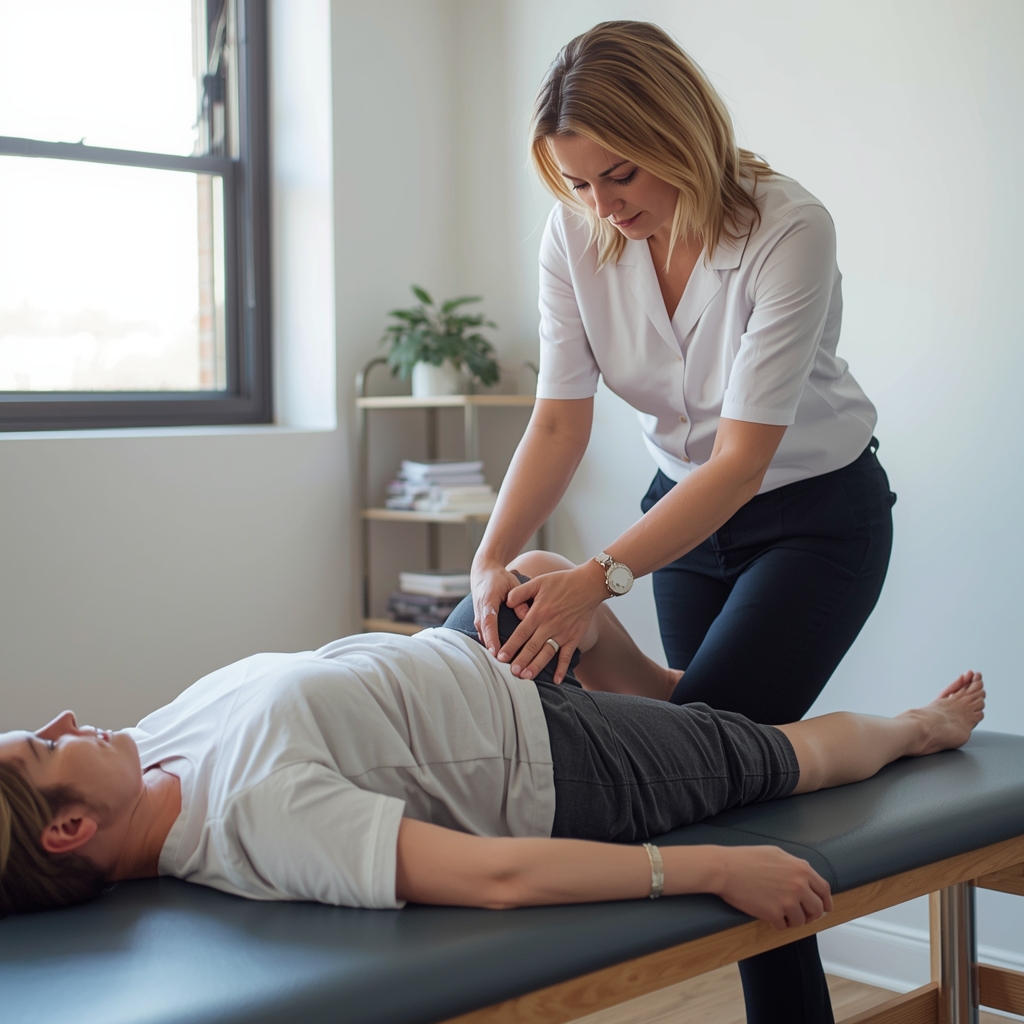
Joint mobilization techniques involve controlled, passive movements of a joint to improve range of motion, reduce stiffness, and alleviate pain. These methods are performed by trained professionals and vary in intensity based on the patient’s condition. For the knee, mobilizations may target the patellofemoral joint, tibiofemoral joint, or surrounding structures like the iliotibial band. The goal is to restore normal joint alignment, enhance fluid circulation, and ease mechanical stress. Chiropractors use their hands or specialized tools to apply precise forces, ensuring the techniques are tailored to the individual’s needs. When applied to PFPS, these mobilizations aim to correct patellar tracking issues and reduce irritation in the joint space. By addressing biomechanical dysfunctions, chiropractors help patients achieve better mobility and long-term relief.
How Do These Techniques Target PFPS?
Chiropractors use joint mobilization to address the root causes of PFPS, such as patellar malalignment or joint stiffness. For example, mobilizing the patella can improve its tracking within the femoral groove, reducing friction and pain. Techniques may also target the surrounding muscles and ligaments, such as the quadriceps or hamstrings, to correct imbalances that contribute to knee strain. By restoring proper joint mechanics, chiropractors help distribute forces more evenly across the knee, minimizing pressure on the patellofemoral joint. Additionally, mobilizations can stimulate proprioception, enhancing the body’s ability to sense and adjust joint position. This holistic approach not only alleviates symptoms but also supports the body’s natural healing processes, making it a valuable tool in managing PFPS without invasive interventions.
Benefits of Joint Mobilization for PFPS
Joint mobilization offers several advantages for individuals with PFPS. By improving joint mobility and reducing stiffness, these techniques can enhance overall knee function and decrease pain levels. Patients often experience improved range of motion, making daily activities like walking or climbing stairs more manageable. Mobilizations also promote better blood flow and lymphatic drainage, which may accelerate tissue repair and reduce inflammation. Furthermore, addressing biomechanical imbalances through mobilization can prevent future complications, such as cartilage wear or compensatory movement patterns. Chiropractors may combine mobilizations with other therapies, like soft tissue work or corrective exercises, to maximize outcomes. This multifaceted approach not only targets immediate symptoms but also supports long-term joint health, helping patients regain confidence in their mobility and physical well-being.
Integrating with Other Chiropractic Approaches
Chiropractors often combine joint mobilization with complementary techniques to address PFPS comprehensively. Soft tissue therapies, such as myofascial release or trigger point therapy, can alleviate muscle tension that contributes to knee pain. Corrective exercises may also be prescribed to strengthen the quadriceps, hamstrings, or hip stabilizers, improving joint stability and alignment. Additionally, spinal adjustments might be included if postural imbalances or lumbar spine issues are influencing knee mechanics. By integrating these methods, chiropractors create a personalized care plan that addresses both the symptoms and underlying causes of PFPS. This collaborative approach ensures a more effective and sustainable recovery, empowering patients to take an active role in their healing journey. The emphasis remains on non-invasive, evidence-based strategies that prioritize patient safety and long-term wellness.
When to Seek Professional Guidance
If you experience persistent knee pain, swelling, or difficulty with movement, consulting a chiropractor can provide valuable insights into your condition. A qualified chiropractor will conduct a thorough evaluation, including a physical exam and possibly imaging, to determine the best course of action. They may recommend joint mobilization techniques tailored to your specific needs, ensuring safe and effective treatment. It’s important to note that while these methods can be beneficial, they should be part of a broader care plan that may include lifestyle adjustments, exercise, or referrals to other specialists. Always discuss your symptoms and medical history with a healthcare provider before starting any new treatment. By working with a licensed professional, you can explore non-invasive options to manage PFPS and improve your overall quality of life.














