
Understanding Patellofemoral Pain Syndrome
Patellofemoral pain syndrome (PFPS) is a common knee condition characterized by pain around or behind the kneecap, often exacerbated by activities like running, climbing stairs, or sitting for long periods. It typically arises from misalignment, muscle imbalances, or overuse. While rest and ice are standard initial steps, non-surgical interventions like chiropractic care and gait analysis offer holistic approaches to address underlying causes. These methods focus on improving biomechanics, reducing stress on the knee joint, and promoting natural healing without medication. By identifying and correcting movement patterns, chiropractors can help alleviate discomfort and restore function, making it a valuable option for those seeking drug-free solutions.
The Role of Gait Analysis in PFPS Treatment
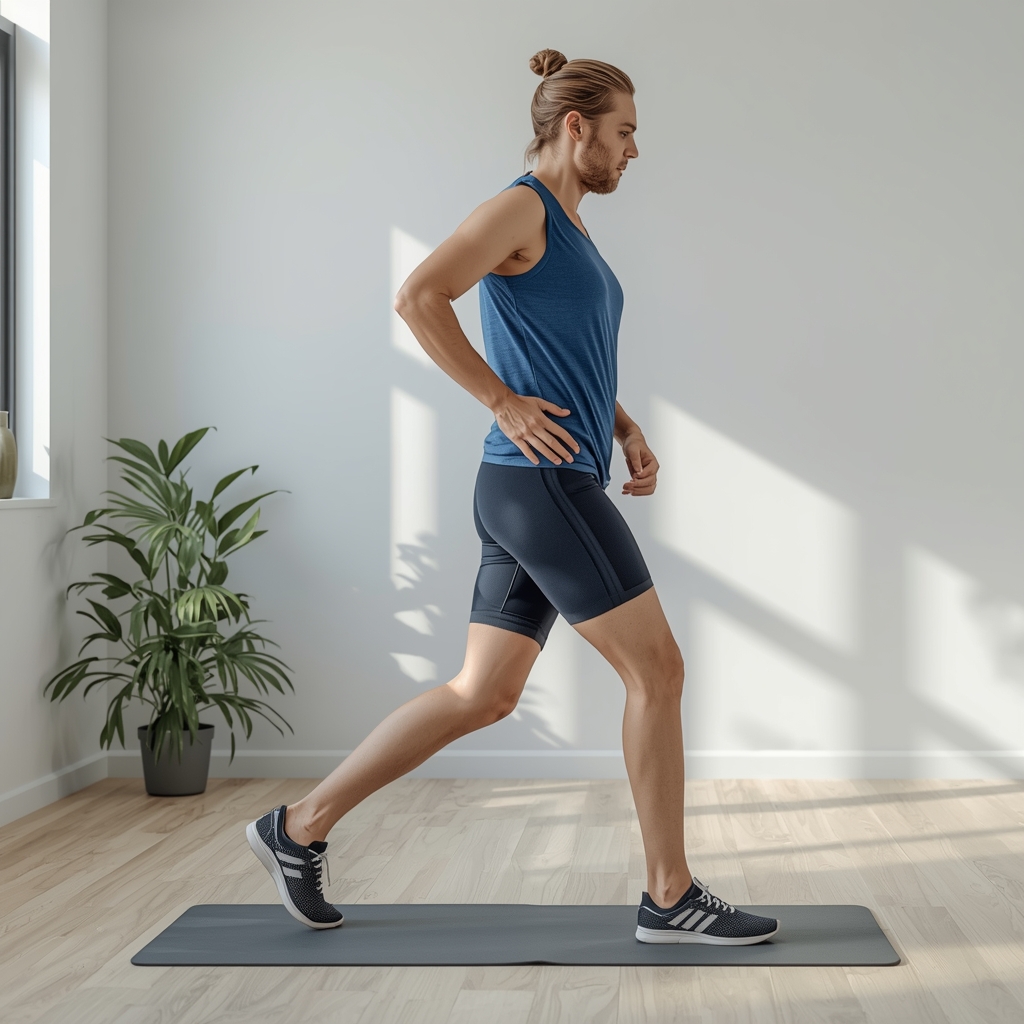
Gait analysis evaluates how a person walks or runs, identifying irregularities in movement that may contribute to PFPS. Chiropractors use this tool to detect issues like overpronation, hip instability, or altered foot mechanics that strain the knee. By observing weight distribution and joint motion, they can tailor interventions to correct these imbalances. For example, custom orthotics or footwear adjustments might be recommended to support proper alignment. Gait analysis also helps track progress over time, ensuring that treatment strategies effectively reduce knee stress. This personalized approach empowers patients to understand their body’s movement patterns and make informed choices about their care.
Active Release Technique for Soft Tissue Relief
Active Release Technique (ART) is a soft tissue therapy used to address muscle tightness, scar tissue, and nerve entrapments that may contribute to PFPS. Chiropractors apply precise pressure while the patient moves the affected area, breaking up adhesions and restoring normal function. This technique is particularly effective for tight quadriceps, hamstrings, or IT bands, which can pull the kneecap out of alignment. By improving flexibility and reducing tension, ART helps alleviate pain and enhance joint mobility. Patients often experience immediate relief, though multiple sessions may be needed for lasting results. When combined with other chiropractic methods, ART offers a non-invasive way to target the root causes of PFPS without medication.
Spinal Adjustments and Pelvic Realignment
Spinal adjustments and pelvic realignment can indirectly benefit PFPS by addressing postural imbalances that affect knee mechanics. A misaligned spine or pelvis may alter weight distribution, leading to increased stress on the patellofemoral joint. Chiropractors use gentle manipulations to restore proper spinal curvature and pelvic positioning, which can improve lower-body alignment. For instance, correcting a tilted pelvis may reduce strain on the hips and knees, easing PFPS symptoms. These adjustments also promote nervous system function, which supports overall musculoskeletal health. While not a direct treatment for the knee, this holistic approach helps create a stable foundation for long-term recovery.
Corrective Exercises for Strengthening and Stability
Corrective exercises are a cornerstone of non-surgical PFPS treatment, focusing on strengthening weak muscles and improving joint stability. Chiropractors often prescribe targeted workouts to strengthen the quadriceps, hamstrings, and hip abductors, which support the knee and reduce patellar strain. Low-impact activities like leg lifts, clamshells, and resistance band exercises are commonly recommended. These routines help retrain movement patterns, ensuring the knee tracks properly during motion. Patients are advised to perform exercises regularly, often under professional guidance, to build resilience and prevent recurrence. When paired with gait analysis and manual therapies, corrective exercises offer a comprehensive strategy for managing PFPS without medication.
Integrating Chiropractic Care into a Holistic Plan
Chiropractic care for PFPS is most effective when integrated with other non-surgical strategies, such as physical therapy, ergonomic adjustments, and lifestyle modifications. A chiropractor may collaborate with other healthcare providers to create a personalized plan that addresses all contributing factors. For example, combining gait analysis with soft tissue work and strengthening exercises can yield better outcomes than any single approach alone. Patients are encouraged to maintain open communication with their care team to ensure adjustments are tailored to their needs. By prioritizing natural, drug-free solutions, this integrative model supports long-term knee health and reduces reliance on medication or invasive procedures.















