
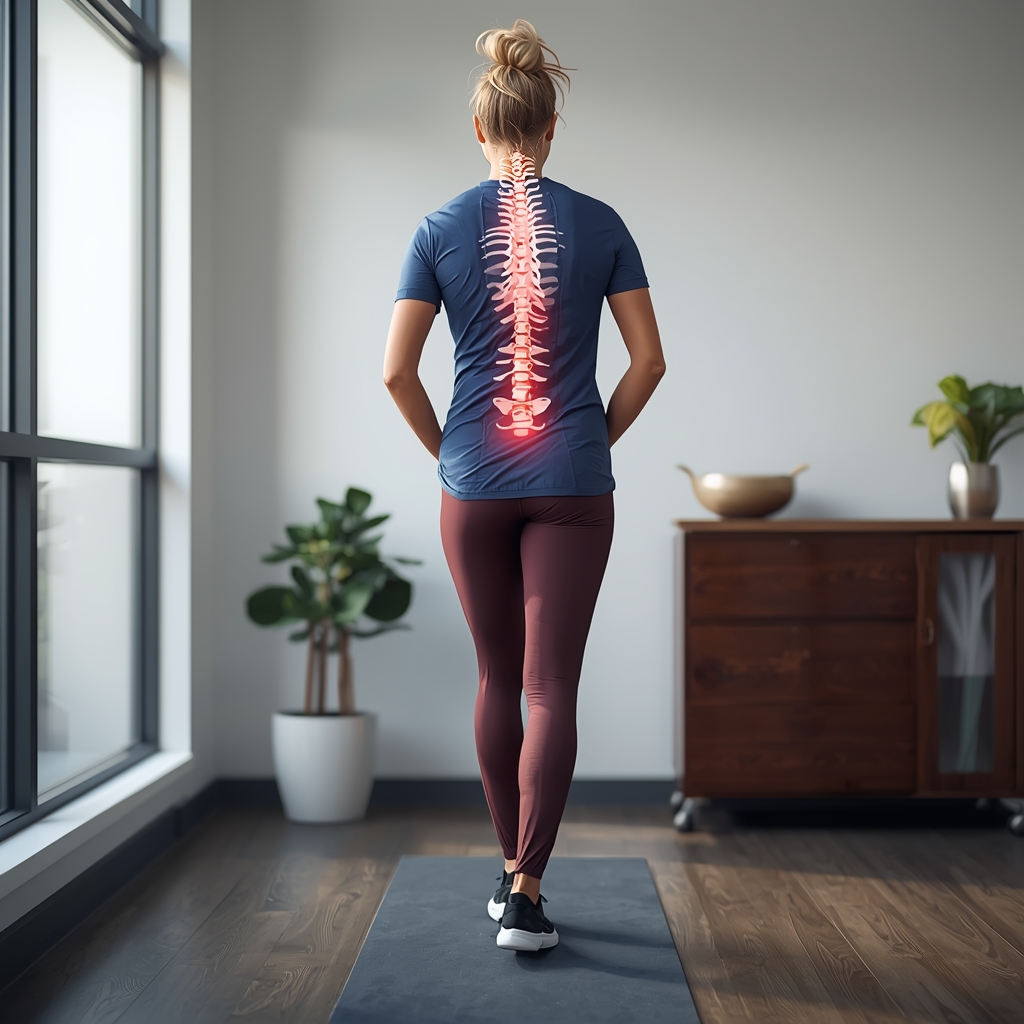
Understanding Gait Analysis in Chiropractic Care
Gait analysis is a diagnostic tool used by chiropractors to evaluate how a person walks or runs. For athletes experiencing knee pain, this process helps identify irregularities in movement patterns that may contribute to joint stress. By observing weight distribution, foot placement, and lower-body mechanics, chiropractors can pinpoint issues like overpronation, hip instability, or muscle imbalances. This non-invasive assessment provides a foundation for targeted interventions, ensuring treatments address root causes rather than just symptoms. While gait analysis itself doesn’t treat pain, it guides chiropractors in developing personalized care plans that align with the athlete’s biomechanics.
How Gait Analysis Reveals Knee Pain Triggers
During a gait analysis, chiropractors use video recordings, pressure sensors, or visual observation to assess an athlete’s movement. Abnormalities such as excessive knee valgus (inward collapse), limited range of motion, or asymmetrical stride length often correlate with knee discomfort. These findings may indicate misalignments in the pelvis, hips, or ankles that indirectly strain the knee joint. For example, weak gluteal muscles can lead to compensatory movements, increasing pressure on the knees. By mapping these patterns, chiropractors gain insights into how the body’s kinetic chain functions, enabling them to address imbalances that might otherwise go unnoticed in a standard exam.
Connecting Gait Abnormalities to Knee Joint Stress
Knee pain in athletes frequently stems from repetitive stress or improper mechanics. Gait analysis highlights how these factors interact, such as when a runner’s foot strikes the ground awkwardly, transferring force unevenly to the knee. Chronic issues like patellofemoral pain syndrome or iliotibial band friction may develop from such patterns. Chiropractors use this data to determine if spinal misalignments, muscle tightness, or joint restrictions exacerbate the problem. For instance, a restricted sacroiliac joint might alter lower-body mechanics, indirectly affecting the knee. By addressing these connections, chiropractors aim to reduce pain and prevent further injury through holistic, movement-based care.
Chiropractic Interventions Based on Gait Findings
Once gait analysis identifies movement irregularities, chiropractors may employ adjustments, soft tissue therapy, or rehabilitative exercises to correct imbalances. Spinal manipulations can restore proper alignment, while targeted adjustments to the hips or ankles may alleviate compensatory stress on the knees. Techniques like Active Release Technique (ART) or Graston may address muscle tightness contributing to poor gait. Additionally, corrective exercises—such as hip-strengthening routines or balance drills—can reinforce proper movement patterns. These interventions are tailored to the athlete’s specific needs, ensuring the body’s mechanics support, rather than hinder, their performance and recovery.
Integrating Gait Analysis with Comprehensive Care
Gait analysis is most effective when combined with other chiropractic approaches. For example, a chiropractor might pair gait findings with posture assessments or muscle strength evaluations to create a full picture of the athlete’s biomechanics. This multi-faceted strategy allows for more precise treatment planning, addressing not just the knee but the entire kinetic chain. Chiropractors may also collaborate with physical therapists or sports trainers to design rehabilitation programs that reinforce healthy movement. By integrating gait analysis with these methods, practitioners can offer athletes a more thorough approach to pain management and injury prevention, promoting long-term musculoskeletal health.
Benefits and Considerations for Athletes
For athletes, gait analysis offers a proactive way to identify and address knee pain before it escalates. It enables early intervention, reducing the risk of chronic issues and improving performance. However, results depend on the chiropractor’s expertise and the athlete’s commitment to follow-up care. While gait analysis is a valuable tool, it should complement—rather than replace—other diagnostic methods. Athletes should consult a licensed chiropractor to discuss how this approach fits their unique needs. By combining gait insights with professional guidance, athletes can make informed decisions about their care, supporting both recovery and long-term joint health.













