
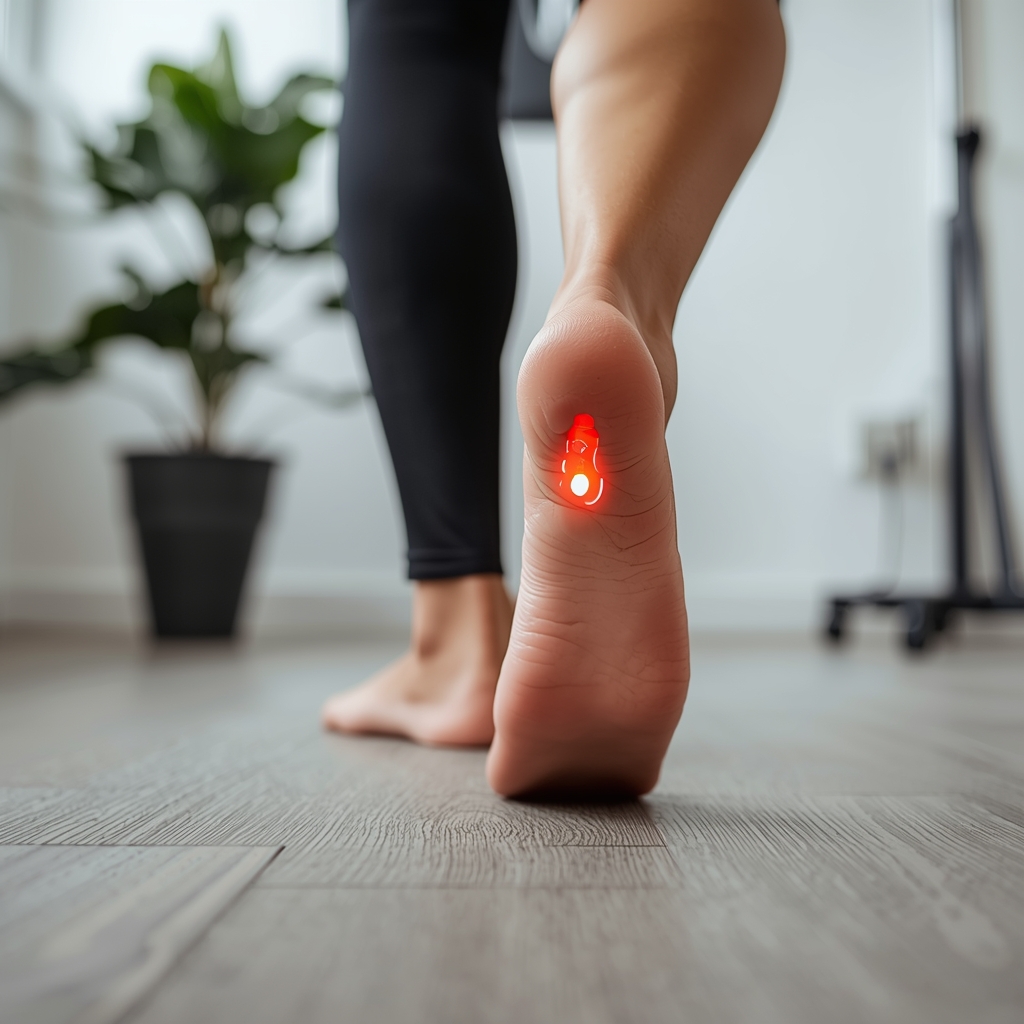
Understanding Plantar Fasciitis and Biomechanical Factors
Plantar fasciitis, a common cause of heel pain, often stems from strain on the thick band of tissue connecting the heel to the toes. While inflammation is a primary concern, biomechanical imbalances in the feet, ankles, or lower limbs frequently contribute to its development. These imbalances—such as overpronation, flat feet, or uneven weight distribution—can alter normal gait patterns, increasing stress on the plantar fascia. Chiropractors recognize that addressing these underlying issues is critical for long-term relief. By evaluating how a person moves, chiropractors can identify misalignments or inefficiencies that may perpetuate the condition. This holistic approach ensures treatment targets not just symptoms but the root causes of discomfort.
The Role of Gait Analysis in Identifying Imbalances
Gait analysis is a foundational tool for chiropractors treating plantar fasciitis. This assessment involves observing a patient’s walking or running pattern to detect irregularities in foot mechanics, posture, or joint movement. Advanced techniques may use pressure-sensitive mats or video analysis to capture detailed data. For example, excessive inward rolling of the foot (overpronation) can strain the plantar fascia, while limited ankle dorsiflexion may force compensatory movements elsewhere. By pinpointing these issues, chiropractors create personalized plans to correct imbalances. This process also helps rule out other conditions with similar symptoms, ensuring accurate diagnosis. Gait analysis provides a roadmap for interventions, from targeted adjustments to supportive devices, fostering a more effective recovery path.
Custom Orthotics: Tailoring Support for Foot Function
Custom orthotics are often recommended to address biomechanical issues identified through gait analysis. Unlike off-the-shelf insoles, these devices are designed to fit an individual’s unique foot structure and movement patterns. They can correct overpronation, support arches, or redistribute pressure to alleviate strain on the plantar fascia. Chiropractors collaborate with podiatrists or orthotic specialists to ensure proper fit and function. When worn consistently, orthotics help maintain optimal foot alignment, reducing the risk of recurring pain. They also complement other treatments by stabilizing the foot during daily activities and exercise. However, orthotics are not a standalone solution; their effectiveness depends on integration with other strategies like stretching, strengthening, and gait retraining. Patients should work closely with their chiropractor to monitor progress and adjust the devices as needed.
Addressing Underlying Biomechanical Imbalances
Beyond orthotics, chiropractors focus on correcting broader biomechanical imbalances that contribute to plantar fasciitis. This may involve spinal adjustments to improve nerve function and posture, as misalignments in the spine can affect lower limb mechanics. Joint mobilization techniques might also be used to enhance mobility in the ankles, hips, or knees, which can indirectly reduce strain on the feet. Muscle imbalances—such as tight calves or weak intrinsic foot muscles—are addressed through targeted exercises and soft tissue therapies. By restoring harmony to the musculoskeletal system, chiropractors help the body move more efficiently, minimizing the stress that leads to plantar fasciitis. This comprehensive approach ensures that treatment extends beyond the feet, promoting overall musculoskeletal health.
Gait Retraining: Correcting Movement Patterns
Gait retraining is a proactive strategy to modify movement patterns that exacerbate plantar fasciitis. Chiropractors guide patients through exercises and techniques to improve foot strike, stride length, and overall walking mechanics. For instance, learning to land more evenly on the midfoot rather than the heel can reduce impact forces on the plantar fascia. This process often involves real-time feedback using mirrors, video analysis, or wearable sensors to help patients recognize and correct inefficient movements. Gait retraining also emphasizes core stability and lower-body strength, as these factors influence posture and gait. By fostering new, healthier movement habits, chiropractors empower patients to prevent future flare-ups. This method is particularly effective when combined with orthotics and adjustments, creating a multi-faceted approach to recovery.
Integrating Gait Analysis and Orthotics for Comprehensive Care
The synergy between gait analysis and custom orthotics offers a powerful solution for plantar fasciitis. Gait analysis provides the data needed to design orthotics that precisely address a patient’s biomechanical needs, while orthotics reinforce the corrections made through gait retraining. This integrated approach ensures that both immediate symptoms and long-term movement patterns are addressed. Chiropractors may also use this combination to monitor progress, adjusting orthotics or retraining strategies as the patient’s condition improves. By combining technology-driven assessments with personalized interventions, chiropractors deliver a tailored care plan that enhances mobility and reduces pain. Patients benefit from a holistic strategy that prioritizes sustainable relief over temporary fixes, aligning with the principles of preventive and functional healthcare.













