
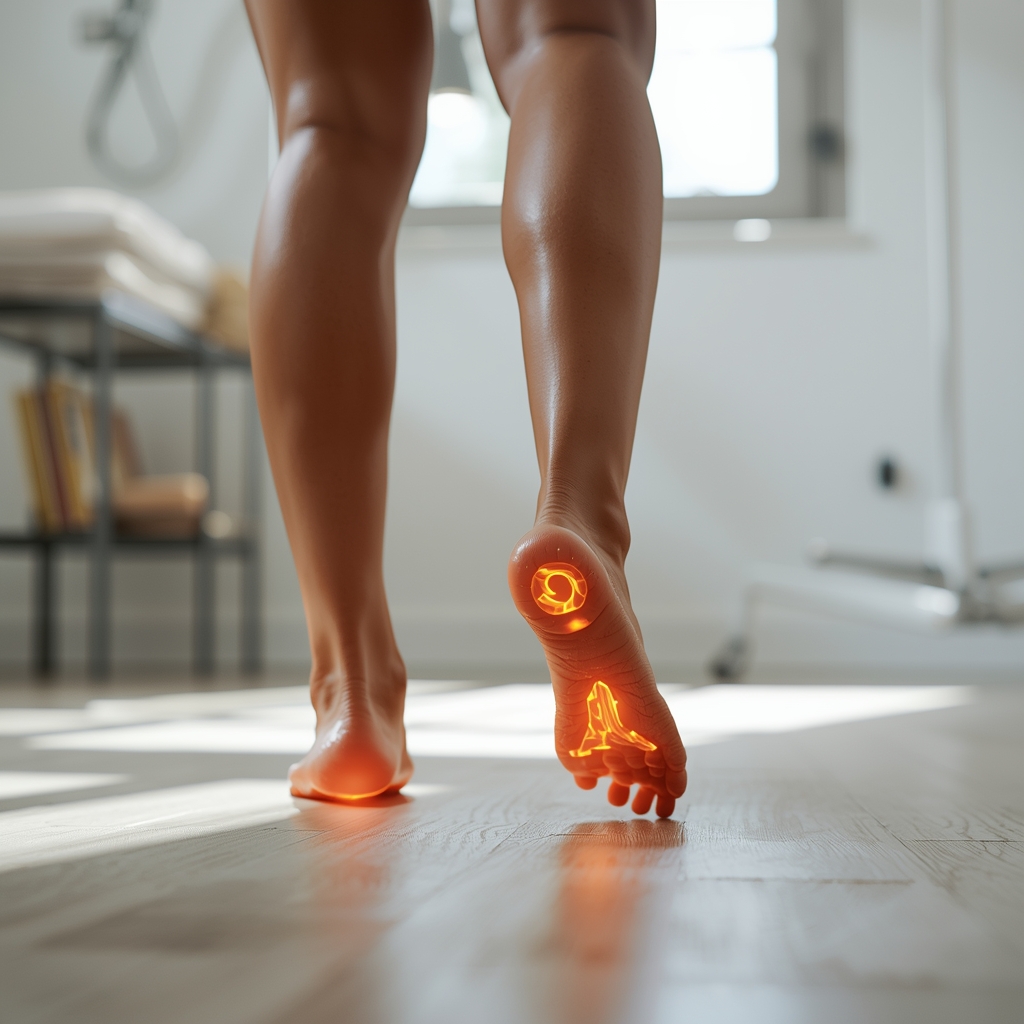
Understanding Gait Analysis in Chiropractic Care
Gait analysis involves evaluating how a person walks to identify irregularities in movement patterns. For plantar fasciitis, this diagnostic tool helps chiropractors detect biomechanical issues that may contribute to foot pain. By observing weight distribution, foot strike, and posture, practitioners can pinpoint factors like overpronation or gait asymmetry. This process is non-invasive and often uses video recording or pressure-sensitive mats to capture detailed movement data. While not a standalone treatment, gait analysis provides critical insights into the root causes of discomfort, guiding personalized care plans. It complements traditional assessments, offering a holistic view of how movement affects the musculoskeletal system.
How Gait Analysis Identifies Plantar Fasciitis Triggers
Plantar fasciitis often stems from repetitive strain on the foot’s connective tissue, but underlying gait abnormalities can exacerbate the condition. Gait analysis reveals issues such as excessive inward rolling of the foot (overpronation) or limited ankle mobility, which increase tension on the plantar fascia. Chiropractors may also note compensatory patterns, like leaning forward or altering hip mechanics, to offset pain. These observations help differentiate between primary and secondary causes of discomfort. By mapping movement flaws, practitioners can design interventions that address both symptoms and contributing factors, reducing the risk of recurring pain.
Customizing Treatment Plans Through Gait Insights
Once gait abnormalities are identified, chiropractors use this information to tailor treatment strategies. For example, if overpronation is detected, recommendations might include orthotic support or specific exercises to strengthen foot and ankle muscles. Gait analysis also informs spinal adjustments, as imbalances in the lower body can affect pelvic alignment and spinal curvature. Chiropractors may integrate soft tissue therapies or corrective exercises to restore proper movement patterns. This individualized approach ensures that interventions target the unique needs of each patient, enhancing recovery outcomes. The goal is to create a balanced, sustainable solution rather than temporary symptom relief.
Combining Gait Analysis With Other Chiropractic Techniques
Gait analysis is most effective when used alongside other chiropractic methods. For instance, spinal adjustments can alleviate nerve interference that may contribute to gait irregularities, while soft tissue work addresses muscle tightness affecting movement. Chiropractors might also recommend corrective exercises to reinforce proper biomechanics, such as stretches for the Achilles tendon or balance drills to improve stability. By integrating gait findings with these techniques, practitioners create a comprehensive care plan. This multidisciplinary approach not only addresses immediate discomfort but also promotes long-term musculoskeletal health, reducing the likelihood of future injuries.
The Importance of Professional Evaluation and Follow-Up
While gait analysis offers valuable insights, it should always be conducted by a qualified chiropractor or healthcare provider. Improper interpretation of gait patterns can lead to misguided treatments, potentially worsening symptoms. A professional can distinguish between normal variations and problematic movement flaws, ensuring accurate diagnosis. Follow-up assessments are also crucial, as progress may require adjustments to the care plan. Patients should communicate any changes in pain levels or mobility to their chiropractor, enabling ongoing refinement of strategies. This collaborative approach ensures that treatment remains aligned with the patient’s evolving needs and goals.
Conclusion: Enhancing Plantar Fasciitis Care Through Gait Analysis
Gait analysis plays a vital role in customizing chiropractic treatments for plantar fasciitis by uncovering movement-related causes of pain. By identifying biomechanical imbalances, chiropractors can develop targeted interventions that address both symptoms and underlying issues. This diagnostic tool empowers practitioners to create individualized care plans, combining adjustments, therapies, and exercises for optimal results. While gait analysis is not a substitute for professional evaluation, it significantly enhances the precision of chiropractic care. Patients experiencing foot pain should consult a chiropractor to explore how gait analysis might inform their treatment journey.














