
Understanding Plantar Fasciitis in Non-Running Athletes
Plantar fasciitis, a common cause of heel pain, affects individuals beyond athletes who run. Non-running athletes, such as cyclists, swimmers, or weightlifters, may develop this condition due to repetitive strain, improper footwear, or biomechanical imbalances. The plantar fascia, a thick band of tissue connecting the heel to the toes, becomes inflamed, leading to discomfort, especially in the morning or after prolonged activity. Chiropractors recognize that these athletes often overlook foot health, focusing instead on their primary sport. Addressing plantar fasciitis requires a holistic approach, considering how daily movements and footwear impact foot mechanics. By tailoring interventions to the unique demands of non-running activities, chiropractors can help alleviate pain and prevent recurrence.
The Role of Gait Analysis in Customized Care
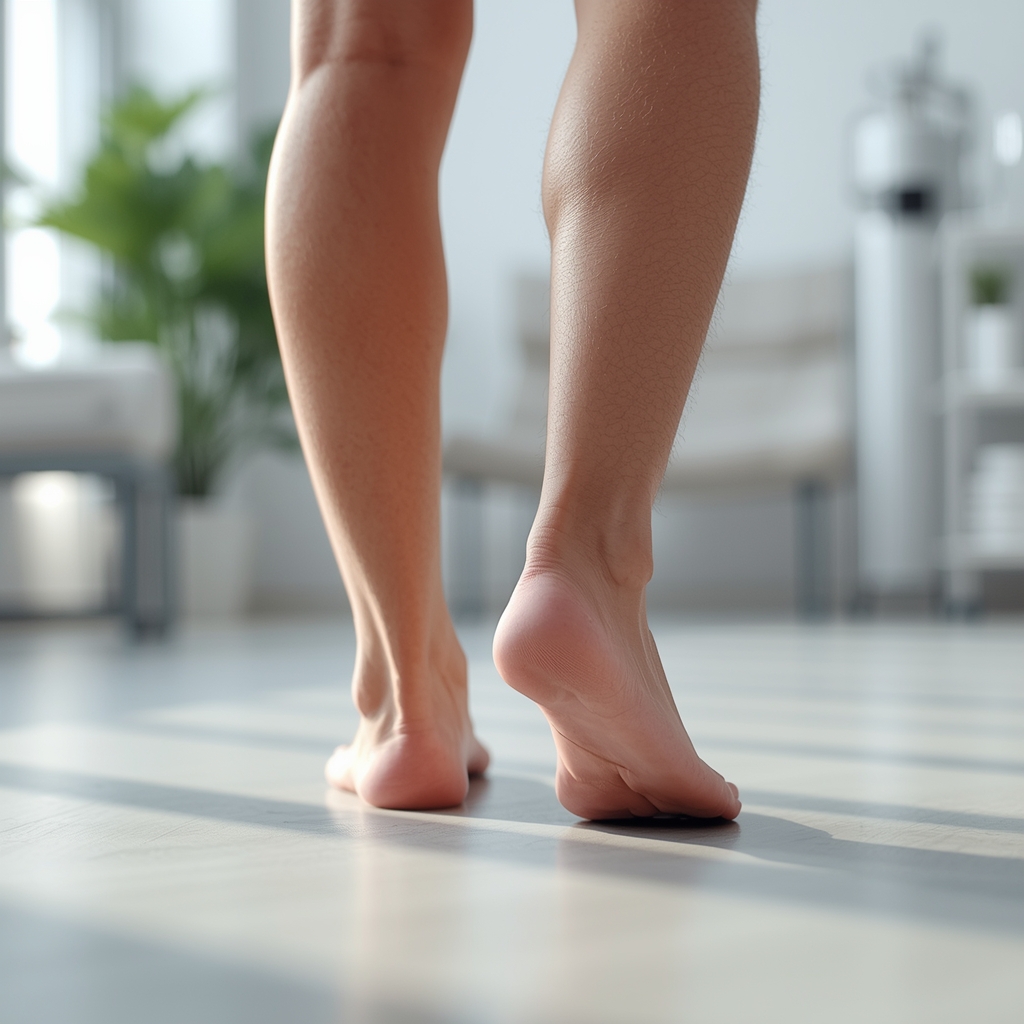
Gait analysis is a critical tool for chiropractors treating plantar fasciitis. By observing how a patient walks or stands, practitioners identify irregularities in foot mechanics, such as overpronation or supination, which may contribute to strain on the plantar fascia. For non-running athletes, gait patterns can differ significantly from runners, influenced by their sport’s specific movements. Chiropractors use this assessment to design personalized treatment plans, incorporating adjustments, exercises, and footwear recommendations. This process ensures that interventions address the root cause of the condition rather than just the symptoms. Gait analysis also helps track progress, allowing adjustments to be made as the patient’s biomechanics improve over time.
Tailoring Footwear for Non-Running Athletes
Proper footwear is essential in managing plantar fasciitis, particularly for non-running athletes whose activities may not prioritize foot support. Chiropractors often recommend shoes with adequate arch support, shock absorption, and a stable heel to reduce strain on the plantar fascia. For example, a cyclist might benefit from insoles that distribute pressure evenly, while a weightlifter may need shoes with a flat, rigid sole for better stability. Custom orthotics, designed through gait analysis, can further enhance support and correct biomechanical issues. Chiropractors also advise patients on replacing worn-out shoes and avoiding barefoot walking on hard surfaces. By aligning footwear choices with an athlete’s specific activities, chiropractors help prevent further irritation and promote healing.
Integrating Corrective Exercises into Treatment Plans
Corrective exercises play a vital role in rehabilitating plantar fasciitis by strengthening the muscles that support the feet and improving flexibility. Chiropractors often prescribe stretches like toe curls, calf stretches, and towel pickups to alleviate tension in the plantar fascia. For non-running athletes, these exercises are tailored to complement their training routines, ensuring they don’t interfere with performance. Strengthening the intrinsic foot muscles and improving ankle mobility can reduce the likelihood of future injuries. Chiropractors may also incorporate balance exercises to enhance proprioception, which is crucial for maintaining proper foot alignment during movement. Consistency with these exercises, combined with other treatments, helps restore function and reduce pain over time.
Collaborating with Patients for Long-Term Success
Effective treatment of plantar fasciitis requires collaboration between chiropractors and patients. Non-running athletes must understand how their daily habits, such as standing for long periods or wearing unsupportive shoes, contribute to their condition. Chiropractors educate patients on modifying activities, incorporating rest, and recognizing early signs of flare-ups. Regular follow-ups allow for ongoing assessment and adjustments to the treatment plan. By fostering a partnership, chiropractors empower patients to take an active role in their recovery. This approach not only addresses current symptoms but also promotes long-term foot health, enabling athletes to continue their activities with reduced risk of injury.
When to Consult a Chiropractor for Plantar Fasciitis
If you experience persistent heel pain, especially when first waking up or after activity, it’s important to consult a chiropractor. While plantar fasciitis is common, proper diagnosis is crucial to rule out other conditions. A chiropractor can evaluate your gait, footwear, and overall biomechanics to develop a targeted plan. They may recommend adjustments, soft tissue therapy, or referrals to other specialists if needed. For non-running athletes, seeking care early can prevent the condition from worsening and reduce the need for more invasive treatments. Remember, each individual’s needs are unique, so a personalized approach is key. A qualified chiropractor can guide you toward effective, sustainable solutions for your specific situation.













