
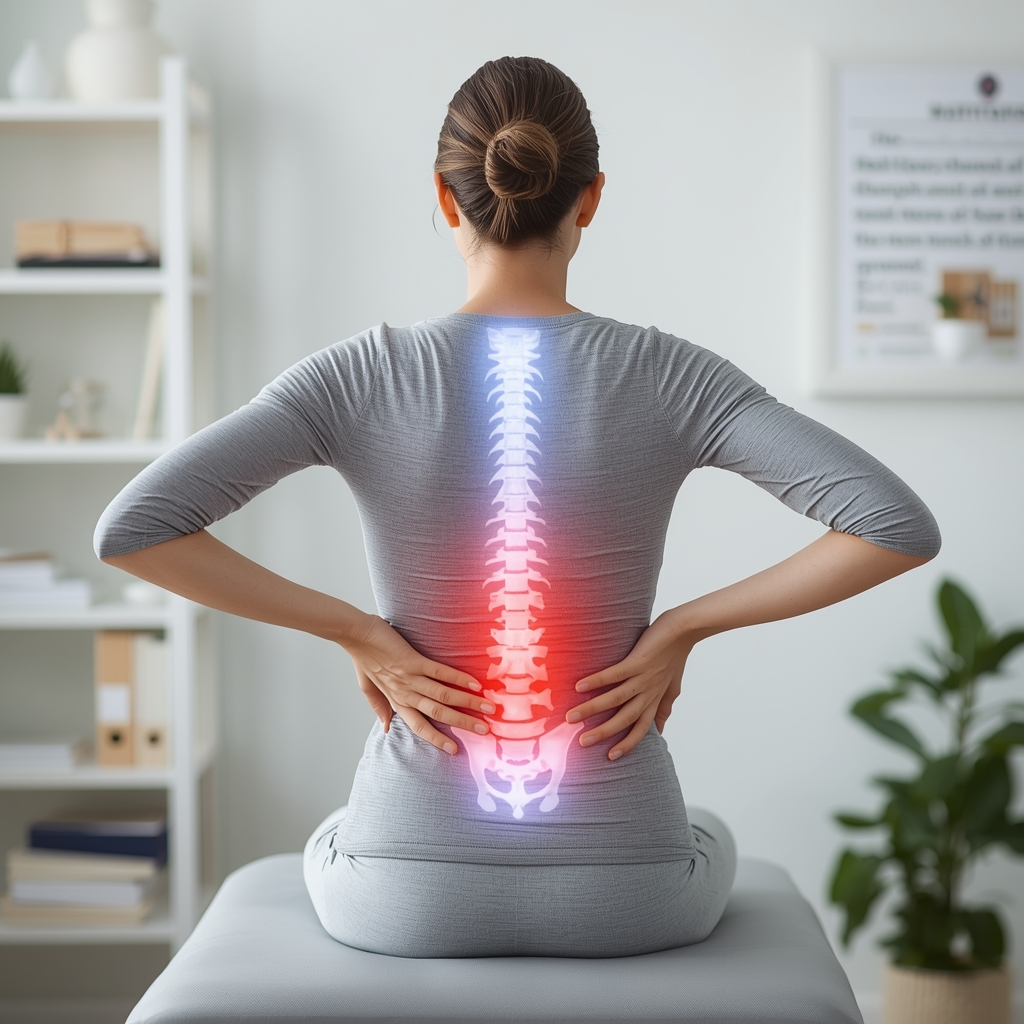
Chiropractic Care and Chronic Pain Management
Chiropractic care plays a supportive role in managing chronic pain associated with sacroiliac joint dysfunction (SIJD) by addressing structural imbalances and promoting natural healing. While not a cure, it focuses on reducing discomfort and improving mobility through non-invasive methods. Chiropractors often collaborate with other healthcare providers to create holistic care plans. Patients may find relief by targeting the root causes of pain rather than just masking symptoms. This approach aligns with broader chronic pain management strategies that emphasize long-term wellness over temporary solutions.
Spinal Adjustments for SIJD
Spinal adjustments are a cornerstone of chiropractic treatment for SIJD. These manual techniques aim to realign the sacroiliac joint and surrounding structures, potentially reducing pressure and inflammation. By restoring proper biomechanics, adjustments may improve function and decrease pain. However, the effectiveness varies among individuals, and a chiropractor will assess each case before recommending this approach. Patients should expect a personalized plan that considers their unique condition and medical history. Adjustments are typically part of a broader strategy that includes other therapeutic interventions.
Soft Tissue Therapies and Myofascial Release
Soft tissue therapies, such as myofascial release and trigger point therapy, address muscle tension that can exacerbate SIJD pain. These techniques target tight or inflamed tissues around the sacroiliac joint, improving flexibility and reducing discomfort. Chiropractors may use tools like massage or instrument-assisted methods to enhance these effects. By alleviating muscular strain, patients often experience better joint stability and reduced pain. These therapies are frequently combined with spinal adjustments for a more comprehensive approach. Patients should discuss their preferences and sensitivities with their provider to ensure comfort and safety.
Corrective Exercises and Patient Education
Corrective exercises are a vital component of chronic pain management for SIJD. Chiropractors often prescribe tailored routines to strengthen core muscles, improve posture, and stabilize the pelvis. These exercises help prevent future flare-ups and support long-term recovery. Patient education is equally important, as understanding proper movement patterns and body mechanics can reduce strain on the sacroiliac joint. Chiropractors may also advise on lifestyle modifications, such as ergonomic adjustments or activity pacing. This proactive approach empowers patients to take an active role in their care and maintain progress between visits.
Multimodal Treatment Approaches
Chiropractic care for SIJD often involves a multimodal strategy, combining adjustments, soft tissue work, and rehabilitative exercises. This integrated approach addresses both structural and functional aspects of the condition. Additional therapies, like heat, ice, or electrical stimulation, may be used to manage acute pain. The goal is to create a balanced treatment plan that minimizes reliance on medications or invasive procedures. Patients should communicate openly with their chiropractor to ensure all methods align with their health goals and preferences. Regular reassessments help refine the plan as needs evolve over time.
Consulting a Qualified Provider
Chiropractic care for chronic SIJD should always be guided by a licensed professional. Each patient’s condition requires individualized attention, as factors like pain severity, mobility limitations, and underlying health issues influence treatment choices. A chiropractor will conduct a thorough evaluation before recommending specific techniques. Patients should ask questions about the expected benefits, potential risks, and alternative options. Open communication ensures that care remains safe and effective. While chiropractic methods can provide relief, they are not a substitute for medical advice. Always consult a qualified provider to determine the best path forward for your unique situation.















