
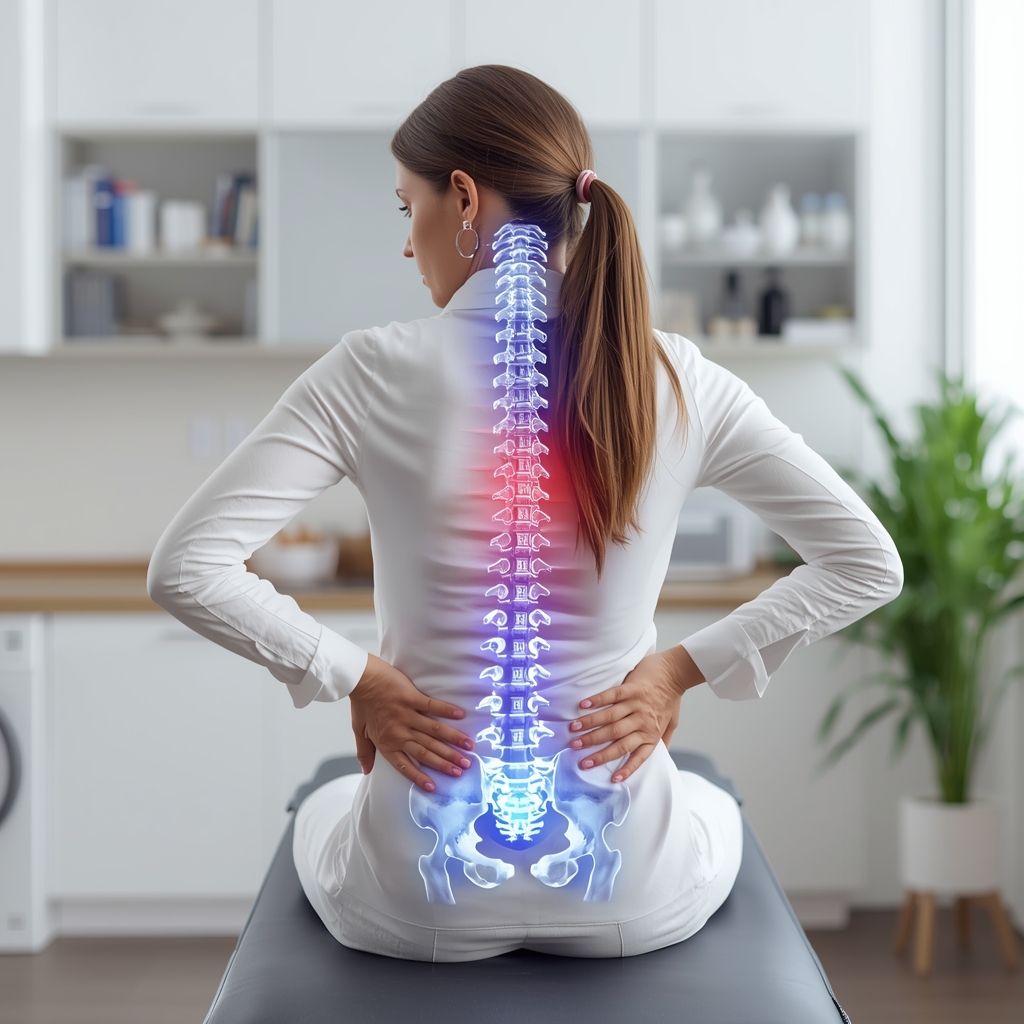
Understanding Chronic Sacroiliac Joint Pain
Chronic sacroiliac (SI) joint pain affects the connection between the lower spine and pelvis, often causing discomfort that radiates to the hips, lower back, or legs. This condition can stem from joint dysfunction, inflammation, muscle imbalances, or trauma. Unlike acute pain, chronic SI joint issues persist for weeks or months, impacting mobility and quality of life. Chiropractors play a key role in diagnosing and managing this pain through non-surgical methods. A thorough evaluation typically includes physical exams, patient history, and imaging if needed. Understanding the root cause is critical, as treatment plans must address both structural and functional factors. Patients often report relief through targeted interventions, but consistency and personalized care are essential for long-term outcomes.
Manual Adjustments and Spinal Manipulation
Spinal manipulation is a cornerstone of chiropractic care for SI joint dysfunction. By applying controlled force to the pelvis and spine, chiropractors aim to restore proper alignment and reduce pressure on the SI joint. This technique can alleviate pain by improving joint mobility and reducing inflammation. However, adjustments are tailored to each patient’s condition, avoiding excessive force that might worsen symptoms. Some practitioners use specialized tools or gentle techniques for sensitive cases. While research on its efficacy varies, many patients report improved function and reduced discomfort. It’s important to note that manipulation should be part of a broader strategy, not a standalone solution. A qualified chiropractor will assess the need for adjustments and monitor progress over time.
Soft Tissue Therapies and Myofascial Release
Soft tissue therapies target the muscles, ligaments, and fascia surrounding the SI joint, which often contribute to pain and restricted movement. Techniques like myofascial release, trigger point therapy, and Active Release Technique (ART) help relieve tension in overactive or injured tissues. These methods can improve blood flow, reduce inflammation, and restore normal movement patterns. For example, tight gluteal or piriformis muscles may refer pain to the SI joint, making soft tissue work essential. Chiropractors may also use instruments or massage tools to enhance treatment. While these therapies are generally safe, they should be performed by trained professionals to avoid aggravating the condition. Combining soft tissue work with other strategies often yields the best results for chronic pain management.
Corrective Exercises and Rehabilitation
Strengthening and stabilizing the muscles around the SI joint is vital for long-term relief. Chiropractors often prescribe corrective exercises to address muscle imbalances and improve posture. Core strengthening, hip stability drills, and proprioceptive training can enhance joint support and reduce strain. For instance, exercises targeting the glutes, hamstrings, and lower abdominals may alleviate pressure on the SI joint. Patients are typically guided through these movements to ensure proper form and avoid compensation patterns. Consistency is key, as strengthening takes time to build resilience. Some chiropractors collaborate with physical therapists to design personalized rehab programs. These exercises complement manual therapies and empower patients to take an active role in their recovery.
Lifestyle Modifications and Ergonomic Adjustments
Chronic SI joint pain often worsens with poor posture, repetitive movements, or improper lifting techniques. Chiropractors advise patients to adopt ergonomic habits, such as adjusting workstations, using proper body mechanics, and avoiding prolonged sitting. For example, supportive chairs and lumbar rolls can reduce pelvic strain. Patients may also benefit from weight management, as excess body mass increases joint load. Sleep position adjustments, like using a supportive mattress or placing a pillow between the knees, can ease nighttime discomfort. Stress management techniques, such as mindfulness or yoga, may also help by reducing muscle tension. These lifestyle changes, when combined with professional care, create a holistic approach to managing chronic pain and preventing recurrence.
Collaborative Care and Patient Education
Effective management of chronic SI joint pain often requires a team approach. Chiropractors may collaborate with physical therapists, primary care physicians, or pain specialists to ensure comprehensive care. Patient education is equally important, as understanding the condition empowers individuals to make informed decisions. Chiropractors explain the mechanics of the SI joint, the role of posture, and strategies for self-management. They may also discuss the importance of regular follow-ups and adjusting treatment plans as needed. By fostering open communication, chiropractors help patients set realistic goals and track progress. This collaborative, patient-centered model enhances outcomes and promotes long-term wellness without relying on invasive procedures.














