
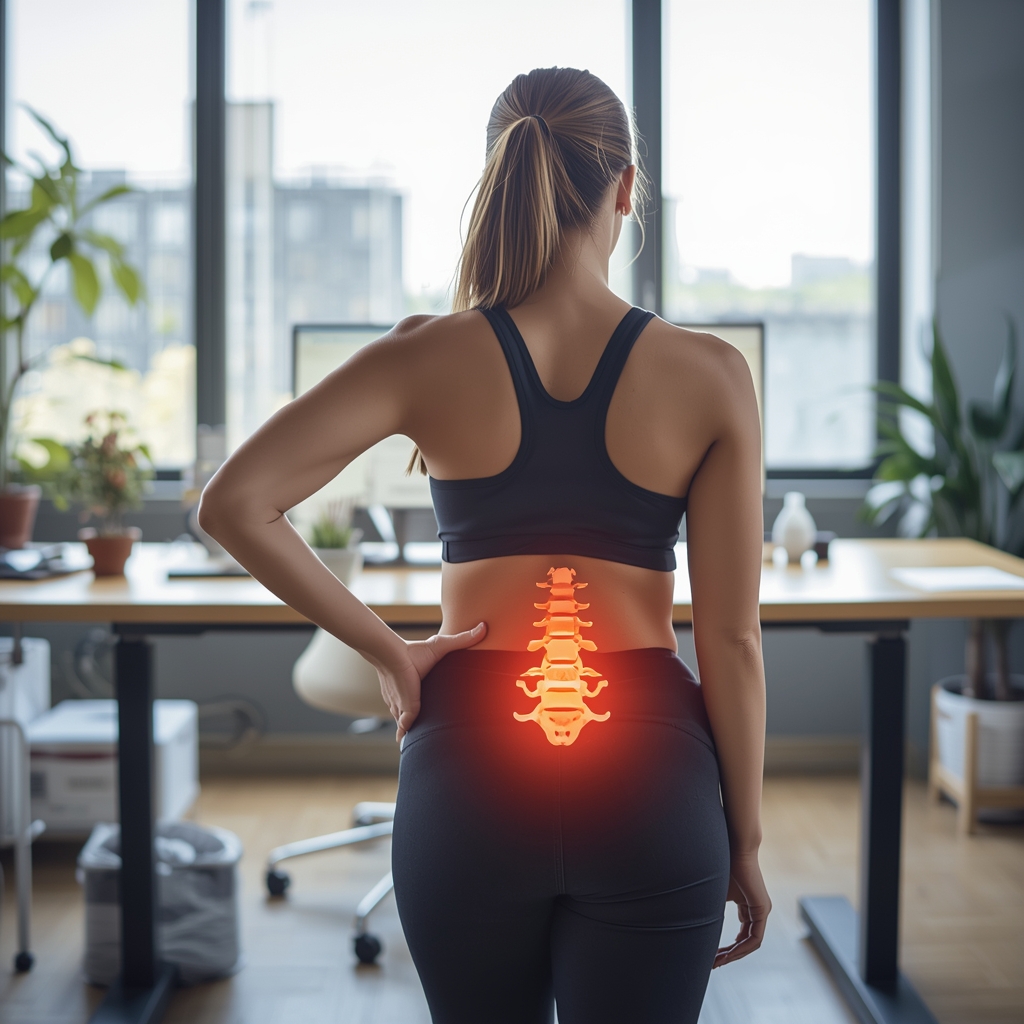
Understanding Sacroiliac Joint Dysfunction
Sacroiliac (SI) joint dysfunction occurs when the joints connecting the spine to the pelvis become misaligned or inflamed, leading to lower back, hip, or leg pain. Office workers with sedentary lifestyles are particularly vulnerable due to prolonged sitting, poor posture, and limited movement. The SI joints stabilize the pelvis and absorb shock from daily activities, but inactivity weakens surrounding muscles, increasing strain on these joints. Common symptoms include localized pain, stiffness, and discomfort that worsens with prolonged sitting or standing. While occasional discomfort is normal, recurring or severe pain may signal dysfunction. Preventive strategies focus on strengthening core muscles, improving posture, and incorporating regular movement to reduce joint stress. Understanding the mechanics of the SI joint helps office workers recognize early warning signs and adopt proactive measures to maintain spinal health.
The Role of Movement in Prevention
Regular movement is crucial for preventing SI joint dysfunction, as prolonged inactivity stiffens joints and weakens muscles. Office workers often sit for hours, which compresses spinal discs, tightens hip flexors, and strains the lower back. Even short, frequent breaks to stand, stretch, or walk can improve blood flow and reduce joint stiffness. Dynamic movements like leg swings or torso twists help maintain SI joint mobility, while low-impact exercises strengthen stabilizing muscles. Research suggests that physical activity enhances joint lubrication and reduces inflammation, lowering the risk of dysfunction. However, abrupt or improper movements may worsen issues, so gradual integration of exercise is key. Combining movement with ergonomic adjustments creates a holistic approach to prevention, ensuring the SI joints remain supported and functional throughout the workday.
Core Strengthening Exercises
Strengthening the core muscles—particularly the transverse abdominis, glutes, and lower back—provides critical support for the sacroiliac joints. Weak core muscles increase the load on the SI joints, making them more susceptible to dysfunction. Exercises like planks, bridges, and bird-dogs target these areas, improving stability and posture. A strong core distributes forces evenly across the pelvis, reducing undue stress on the SI joints. For office workers, daily 10-minute routines focusing on controlled movements can yield long-term benefits. Pilates and yoga also offer gentle, effective ways to build core strength while enhancing flexibility. It’s important to perform these exercises with proper form to avoid strain. Many find it helpful to work with a physical therapist or chiropractor to tailor routines to their needs. Consistency is key, as gradual muscle development reinforces the SI joints’ natural support system.
Posture and Ergonomic Adjustments
Proper posture and ergonomic workplace setups are foundational to preventing SI joint dysfunction. Sitting with slouched or hunched posture places excessive pressure on the lower back and pelvis, destabilizing the SI joints. Adjusting chair height, using lumbar support, and keeping feet flat on the floor can align the spine and reduce strain. Ergonomic keyboards and monitor stands also help maintain neutral body positions, minimizing compensatory movements. Office workers should avoid crossing legs or leaning forward, as these habits disrupt pelvic balance. Regularly switching positions—standing, sitting, or walking—prevents static loading on the SI joints. Additionally, using an exercise ball as a chair can engage core muscles and improve posture. Combining these adjustments with targeted exercises creates a protective environment for the SI joints, reducing the risk of dysfunction over time.
Low-Impact Cardio for Joint Health
Low-impact cardiovascular exercises enhance overall joint health and support the SI joints by improving circulation and maintaining flexibility. Activities like walking, swimming, or cycling provide gentle movement without excessive stress on the spine. These exercises promote the delivery of nutrients to joint tissues while removing waste products, reducing inflammation. For office workers, incorporating 20-30 minutes of daily cardio can offset the effects of prolonged sitting. Stationary bikes or treadmill desks offer convenient options for integrating movement into a workday. Yoga and tai chi also combine cardiovascular benefits with stretching, enhancing joint mobility and muscle balance. However, it’s important to avoid high-impact activities like running or jumping, which may exacerbate SI joint issues. A chiropractor can recommend personalized cardio routines based on individual needs and physical condition.
When to Seek Professional Guidance
While preventive exercises and ergonomic adjustments are effective, persistent or worsening SI joint pain warrants professional evaluation. A chiropractor can assess joint alignment, muscle imbalances, and movement patterns to identify underlying causes. They may recommend targeted adjustments, soft tissue therapy, or customized exercise plans to address specific needs. Physical therapists can also design rehabilitation programs focusing on strengthening and mobility. Office workers experiencing radiating pain, numbness, or difficulty standing should consult a healthcare provider promptly. Early intervention prevents minor issues from escalating into chronic dysfunction. Regular check-ins with a chiropractor ensure ongoing support for spinal health, especially for those with high-risk lifestyles. Combining self-care strategies with professional guidance creates a comprehensive approach to preventing and managing SI joint dysfunction.













