
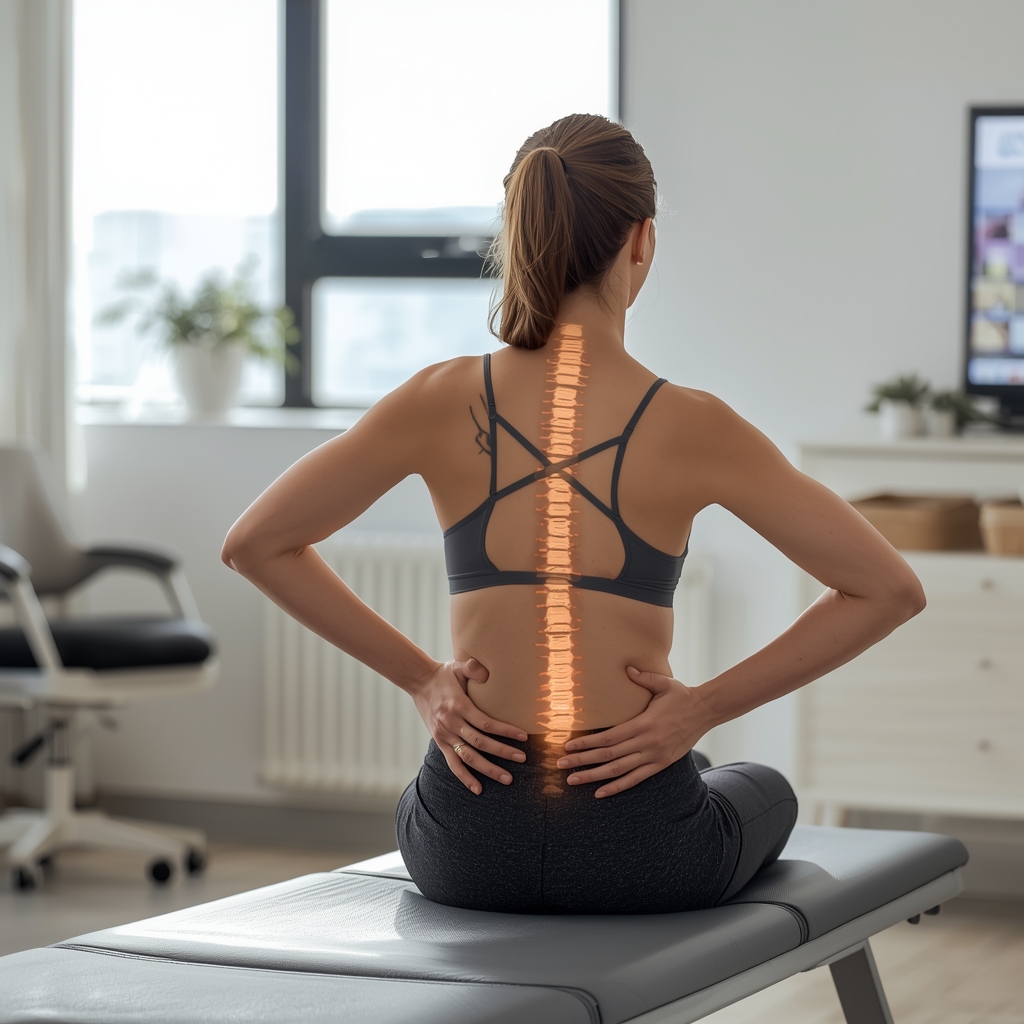
Understanding Sacroiliac Joint Dysfunction and the Role of Rehabilitation
Sacroiliac (SI) joint dysfunction occurs when the joints connecting the spine to the pelvis become misaligned or inflamed, causing pain in the lower back, hips, and legs. While chiropractic adjustments can provide relief, long-term management often requires targeted rehabilitation. Evidence-based exercises play a critical role in stabilizing the SI joint, improving mobility, and preventing future episodes. These exercises aim to strengthen surrounding muscles, enhance posture, and reduce strain on the pelvis. Chiropractors often integrate rehabilitation strategies into treatment plans to address underlying biomechanical issues. By focusing on movement patterns and muscle balance, patients can reduce recurrence risks. It’s important to note that individualized guidance from a qualified chiropractor ensures exercises are safe and effective for each person’s condition.
Core Strengthening for SI Joint Stability
A strong core is essential for supporting the SI joints and maintaining proper pelvic alignment. Exercises targeting the transverse abdominis, gluteals, and lower back muscles help distribute forces evenly across the spine and pelvis. Planks, bridges, and bird-dog movements are commonly recommended, as they engage deep stabilizing muscles without excessive joint stress. Research suggests that core stability training improves functional outcomes and reduces pain in individuals with SI joint dysfunction. However, patients should avoid high-impact or twisting motions that could exacerbate symptoms. Chiropractors may customize these exercises based on a patient’s mobility and strength levels, ensuring they promote recovery without overloading the joints. Consistent practice can enhance neuromuscular control, which is vital for long-term joint health.
Hip Mobility and Stability Work
Imbalances in hip muscles often contribute to SI joint instability. Tightness in the hip flexors, piriformis, or hamstrings can alter pelvic mechanics, increasing strain on the SI joints. Stretching and strengthening exercises for these areas can restore balance and reduce compensatory movements. Dynamic stretches like leg swings and hip circles improve range of motion, while resistance band exercises target weak gluteal muscles. Stability drills, such as single-leg stands or lateral walks, enhance proprioception and joint control. Studies highlight the importance of hip-focused rehabilitation in managing SI joint dysfunction, as improved mobility reduces abnormal stress on the pelvis. Patients should perform these exercises regularly but avoid overstretching, which may worsen symptoms. A chiropractor can guide proper form and progression to ensure safety and effectiveness.
Posture Correction and Movement Patterns
Poor posture and faulty movement habits frequently trigger or worsen SI joint dysfunction. Exercises that retrain proper alignment, such as pelvic tilts or wall angels, help patients develop awareness of their body mechanics. Sitting or standing with a neutral spine reduces undue pressure on the SI joints, while ergonomic adjustments support long-term posture improvement. Chiropractors may also recommend gait training to address asymmetries in walking patterns. Strengthening the muscles that maintain an upright posture—like the erectors and core stabilizers—further supports joint health. Patients should practice these techniques daily, integrating them into routine activities. By correcting habitual postures, individuals can minimize the risk of recurrent pain and enhance overall musculoskeletal resilience.
Low-Impact Aerobic Activities for Overall Recovery
Moderate cardiovascular exercise improves circulation, reduces inflammation, and supports musculoskeletal health without stressing the SI joints. Activities like walking, swimming, or stationary cycling are ideal, as they maintain fitness while minimizing impact. These exercises also promote endorphin release, which can ease discomfort and improve mood. Research indicates that regular low-impact movement enhances recovery outcomes for patients with chronic pain conditions. Chiropractors often advise starting with short sessions and gradually increasing intensity to avoid overexertion. Patients should avoid high-impact sports or heavy lifting during rehabilitation. By incorporating aerobic activity into their routine, individuals can boost overall wellness and reduce the likelihood of SI joint flare-ups.
Flexibility and Stretching Routines for Joint Health
Regular stretching maintains muscle elasticity and prevents stiffness that may contribute to SI joint dysfunction. Gentle stretches targeting the lower back, hips, and legs—such as the cat-cow stretch or hamstring stretches—can alleviate tension and improve mobility. Yoga and tai chi, which combine stretching with controlled movements, are particularly beneficial for enhancing flexibility and balance. These practices also encourage mindfulness, helping patients recognize and correct harmful movement patterns. However, patients should avoid overstretching or holding poses that cause pain. A chiropractor can recommend specific stretches tailored to individual needs, ensuring they support joint stability. Consistent flexibility training complements other rehabilitation efforts, fostering a holistic approach to recovery.













