
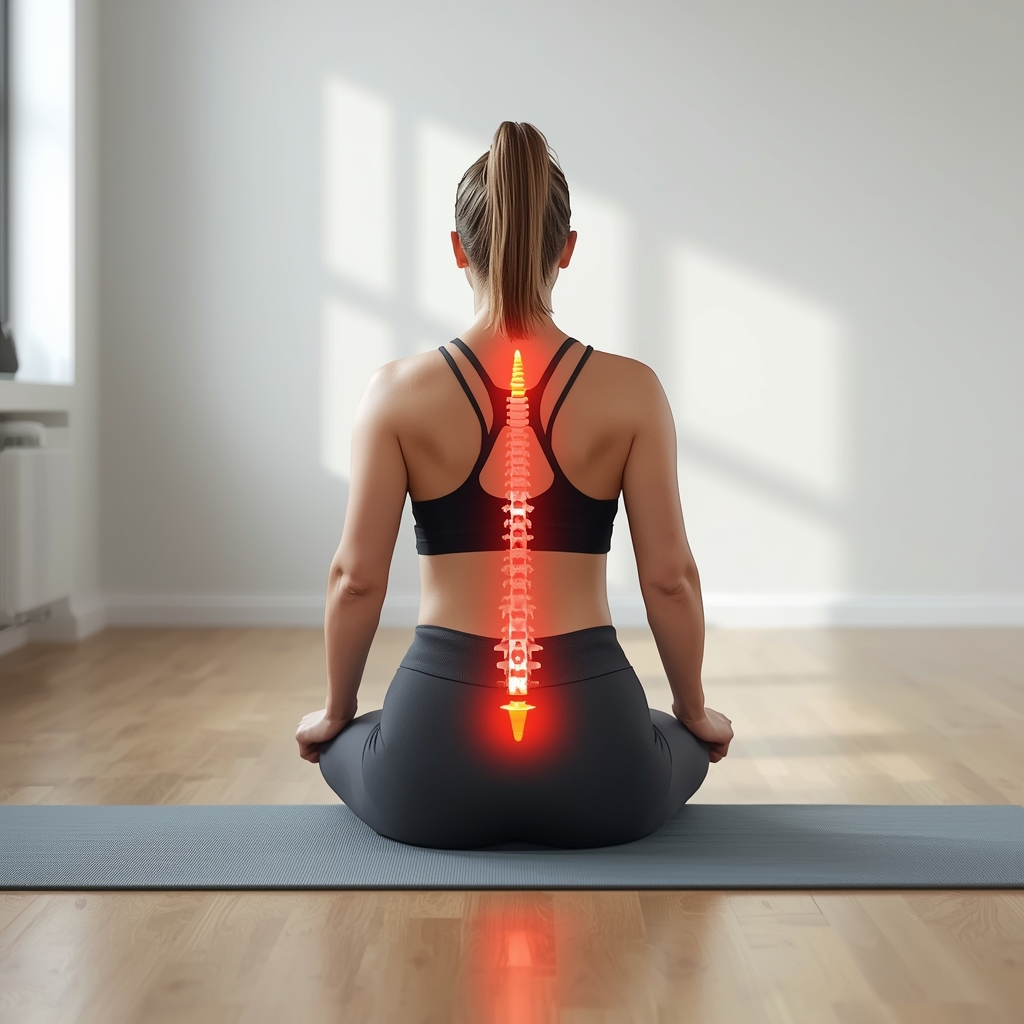
Understanding the Role of Core Strength in Sacroiliac Joint Stability
Chronic sacroiliac (SI) joint dysfunction often stems from weakened core muscles, which are critical for maintaining pelvic alignment and reducing abnormal stress on the SI joint. The core muscles, including the transverse abdominis, multifidus, and pelvic floor, act as natural stabilizers. When these muscles are underdeveloped, the SI joint becomes more susceptible to misalignment and pain. Strengthening the core can alleviate symptoms by improving posture, distributing forces evenly across the pelvis, and enhancing overall spinal mechanics. Chiropractors often emphasize this connection, as a stable core reduces the likelihood of recurrent SI joint issues. However, exercises must be tailored to the patient’s condition to avoid exacerbating symptoms. Proper form and gradual progression are essential to ensure safety and effectiveness.
Key Exercises for Core Strengthening and SI Joint Support
Chiropractors commonly recommend low-impact, controlled exercises to target the deep core muscles. The dead bug exercise, for example, involves lying on the back and alternating arm and leg extensions while keeping the lower back pressed to the floor. This movement engages the transverse abdominis without straining the SI joint. Bird dogs, performed on hands and knees, improve coordination and stability by extending opposite limbs while maintaining a neutral spine. Planks and side planks strengthen the entire core, but patients should start with modified versions (e.g., knees on the floor) to avoid overloading the pelvis. Pelvic tilts, done while lying down or standing, help retrain the muscles that support the SI joint. These exercises are often combined with breathing techniques to enhance muscle activation and promote relaxation.
Chiropractic Interventions to Complement Exercise Programs
Chiropractors may integrate manual therapies with core-strengthening routines to address SI joint dysfunction holistically. Spinal adjustments can realign the pelvis and reduce nerve irritation, creating a stable foundation for exercise. Soft tissue techniques, such as myofascial release, may be used to alleviate tightness in the glutes, hamstrings, or piriformis muscles that contribute to SI joint strain. Additionally, chiropractors might recommend activity modifications, such as avoiding prolonged sitting or using ergonomic supports, to prevent symptom flare-ups. By combining these approaches, patients can experience improved mobility and reduced pain. Regular follow-ups allow chiropractors to monitor progress and adjust the exercise plan as needed, ensuring long-term benefits without overexertion.
Importance of Proper Form and Gradual Progression
Incorrect form during core exercises can worsen SI joint dysfunction by placing undue stress on the pelvis. Patients must focus on maintaining a neutral spine and engaging the core muscles properly. For instance, during planks, arching the back or sagging the hips can shift pressure to the SI joint, counteracting the exercise’s benefits. Chiropractors often demonstrate exercises in person or via video to ensure patients understand the correct technique. Gradual progression is equally vital; starting with basic movements and increasing intensity over time prevents overuse injuries. Patients should also listen to their bodies and stop any exercise that causes pain. By prioritizing form and pacing, individuals can safely build strength and stability without compromising their recovery.
When to Seek Professional Guidance for Exercise Programs
While general strengthening exercises can be beneficial, chronic SI joint dysfunction often requires personalized care. A chiropractor can assess the patient’s specific condition, identify muscle imbalances, and design an exercise regimen that aligns with their needs. For example, someone with severe SI joint instability may need to avoid certain movements altogether, while another patient might benefit from more dynamic exercises. Chiropractors can also differentiate between SI joint dysfunction and other conditions, such as lumbar disc issues, ensuring the right approach is taken. Regular consultations allow for adjustments to the program as the patient’s strength and symptoms evolve. This professional oversight minimizes the risk of setbacks and maximizes the effectiveness of the intervention.
Long-Term Strategies for Maintaining SI Joint Health
Maintaining SI joint stability requires ongoing commitment to core strengthening and lifestyle habits. Chiropractors often encourage patients to incorporate daily stretches, such as hamstring or hip flexor exercises, to prevent tightness that could strain the pelvis. Low-impact activities like swimming or walking can also support joint health without excessive stress. Additionally, maintaining a healthy weight reduces pressure on the SI joint, while proper lifting techniques minimize the risk of injury. Patients should communicate with their chiropractor about any changes in symptoms or activity levels to ensure their program remains effective. By combining consistent exercise with preventive measures, individuals can achieve lasting relief and reduce the likelihood of future dysfunction.














