
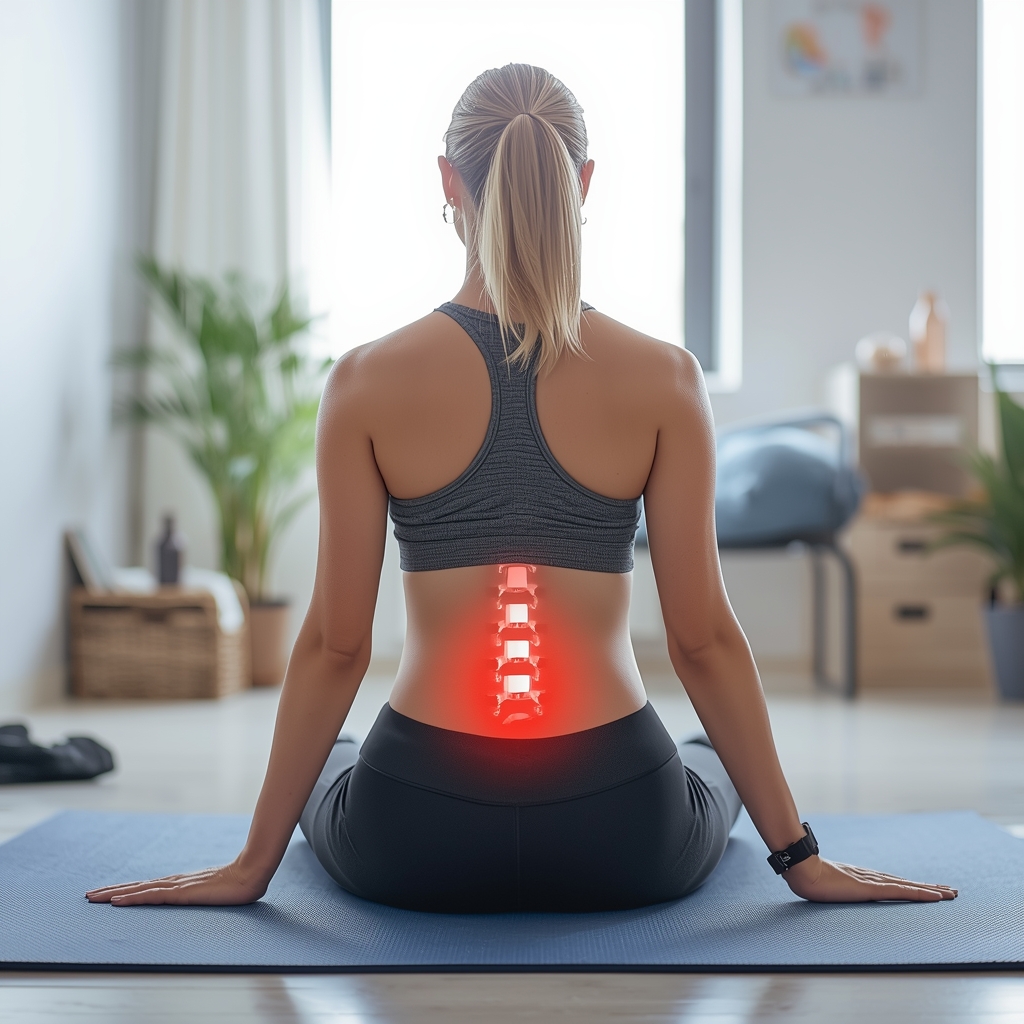
Understanding the Role of the Sacroiliac Joint
The sacroiliac (SI) joint connects the sacrum to the pelvis and plays a critical role in transferring weight between the upper body and legs. When this joint becomes unstable or misaligned, it can cause pain in the lower back, hips, and legs. Stabilizing the SI joint through targeted exercises helps reduce strain on surrounding muscles and ligaments, promoting better alignment and function. Strengthening the core, hips, and glutes provides essential support, while improving flexibility prevents excessive movement that might exacerbate discomfort. These exercises are often recommended as part of a broader treatment plan to address SI joint dysfunction, which can stem from injury, poor posture, or muscle imbalances. By focusing on stability, individuals can enhance their quality of life and reduce the likelihood of recurring pain.
Core Strengthening for SI Joint Stability
A strong core is foundational for supporting the sacroiliac joint, as it helps maintain proper posture and distributes forces evenly across the spine and pelvis. Exercises like planks, bird dogs, and dead bugs engage the transverse abdominis and obliques, which stabilize the pelvis. These movements should be performed slowly and with control to avoid overstraining the lower back. Additionally, bridges and glute bridges target the gluteal muscles, which play a key role in pelvis alignment. It’s important to avoid high-impact activities that could jolt the SI joint, such as jumping or sudden twists. Consistency is key—regular practice of these exercises can build resilience over time. However, individuals should consult a chiropractor or physical therapist to ensure proper form and tailor the routine to their specific needs.
Hip and Glute Activation Exercises
The hips and glutes are closely linked to the sacroiliac joint’s stability, as weak or tight muscles in these areas can contribute to dysfunction. Clamshells, side-lying leg lifts, and hip thrusts are effective for strengthening the gluteus medius and minimus, which help control pelvic movement. These exercises should be done with a focus on engagement, avoiding compensatory movements from the lower back. Foam rolling or stretching the piriformis and iliopsoas muscles can also alleviate tension that might pull on the SI joint. Incorporating resistance bands adds challenge and mimics real-life movements that require balance. While these exercises can be done at home, a chiropractor can assess muscle imbalances and recommend modifications to prevent aggravating the joint. Over time, improved hip and glute strength creates a more stable foundation for the pelvis.
Postural Correction and Alignment
Poor posture is a common contributor to sacroiliac joint instability, as it places uneven stress on the pelvis and spine. Exercises that promote proper alignment, such as seated marches or wall angels, help retrain the body to maintain a neutral spine. Sitting with feet flat on the floor and avoiding slouching reduces pressure on the SI joint, while standing exercises like single-leg balances improve proprioception. Chiropractors often emphasize the importance of ergonomic adjustments, such as using a lumbar support pillow or adjusting chair height. Additionally, yoga poses like the cat-cow stretch or child’s pose can gently mobilize the spine and pelvis. By addressing postural habits, individuals can create a more balanced environment for the SI joint, reducing the risk of future pain episodes.
Low-Impact Cardio for Joint Health
Incorporating low-impact cardiovascular activities into a routine supports overall joint health without overloading the sacroiliac joint. Swimming, cycling, and walking are excellent options that improve circulation and maintain muscle tone without excessive jarring. These exercises also enhance endurance, making daily activities less taxing on the pelvis. For individuals with SI joint dysfunction, it’s crucial to start slowly and monitor symptoms, avoiding movements that cause sharp pain. Using an elliptical machine provides a controlled environment for cardio training while minimizing joint stress. Regular, moderate activity helps maintain mobility and reduces stiffness, which can worsen SI joint discomfort. As with strength training, a chiropractor can guide the intensity and duration of these exercises to ensure they align with individual recovery goals.
Preventing Recurrence Through Consistent Care
Maintaining the benefits of SI joint exercises requires ongoing commitment and professional guidance. Regular chiropractic adjustments can address subtle misalignments that might otherwise lead to pain flare-ups. Combining exercise with lifestyle modifications, such as avoiding prolonged sitting or heavy lifting, further reduces strain on the joint. Wearing supportive footwear and using proper lifting techniques are practical steps to prevent recurrence. Additionally, stress management practices like meditation or deep breathing can ease muscle tension that might indirectly affect the SI joint. While these exercises and habits are valuable, they should complement—not replace—professional care. A chiropractor can monitor progress and adjust the plan as needed, ensuring long-term stability and minimizing the risk of future discomfort.













