
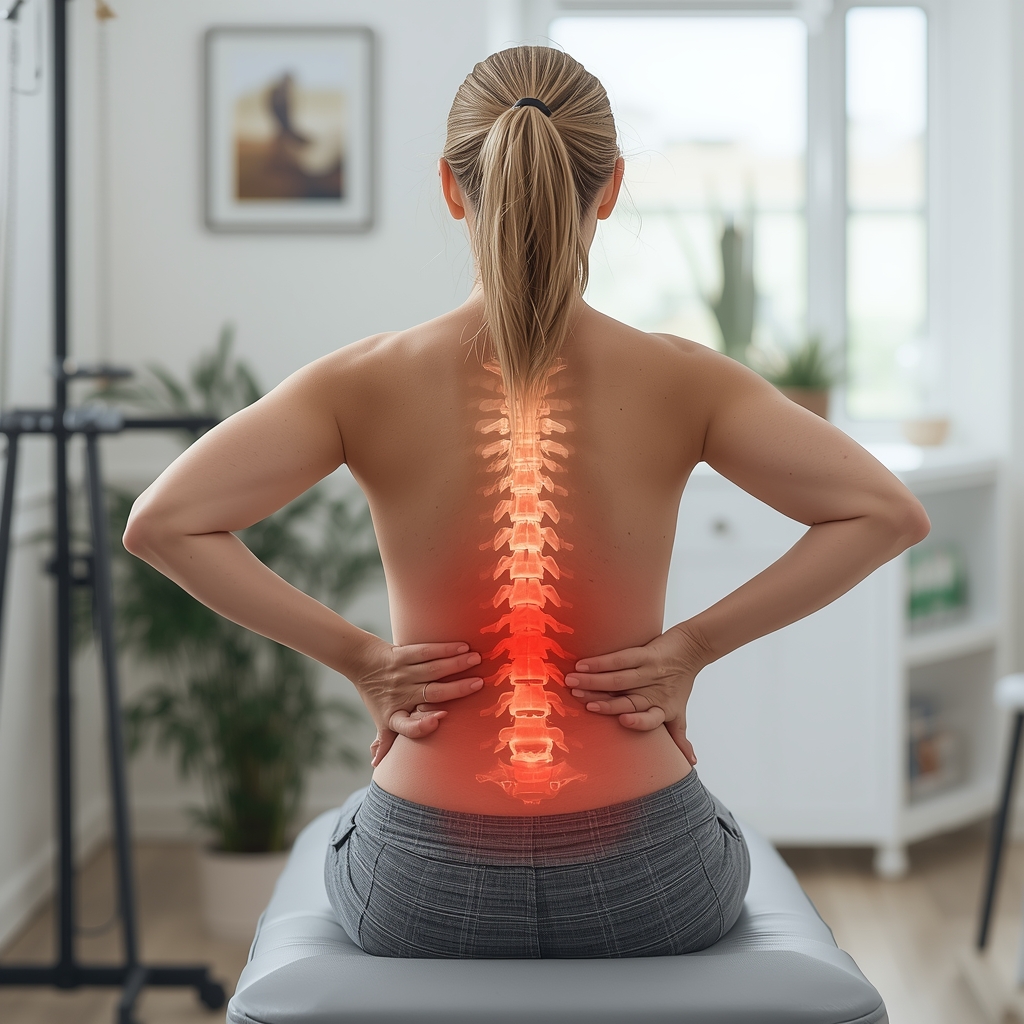
Understanding Sacroiliac Joint Dysfunction
Sacroiliac (SI) joint dysfunction occurs when the joints connecting the spine to the pelvis become misaligned or inflamed, leading to chronic pain in the lower back, hips, or legs. This condition often stems from trauma, pregnancy, repetitive strain, or degenerative changes in the spine. The SI joints act as shock absorbers and stabilize the pelvis, so dysfunction can disrupt posture, movement, and daily activities. Symptoms may include localized pain, radiating discomfort, or a sensation of instability. While occasional discomfort is common, persistent issues can significantly impact quality of life. Non-invasive approaches like chiropractic care are frequently explored to address the root causes rather than just masking symptoms. Understanding the interplay between joint mechanics and musculature is key to effective management.
The Role of Sacroiliac Joint Manipulation
Sacroiliac joint manipulation involves precise, controlled movements performed by a chiropractor to realign the pelvis and restore normal joint function. This technique aims to reduce inflammation, alleviate pressure on surrounding nerves, and improve mobility. By correcting misalignments, manipulation can ease pain and enhance the body’s natural healing processes. The procedure is typically gentle and tailored to the patient’s comfort level, often accompanied by other therapies. While results vary, many individuals report reduced pain and improved stability after sessions. It’s important to note that manipulation alone may not address underlying muscular imbalances. Combining it with targeted exercises can create a more comprehensive approach to long-term relief and functional recovery.
Core Strengthening as a Complementary Approach
Core strengthening exercises play a vital role in supporting the sacroiliac joints by improving pelvic stability and reducing excessive strain. The core muscles, including the abdominals, obliques, and lower back muscles, act as a natural brace for the spine and pelvis. Weakness in these areas can exacerbate SI joint dysfunction, making strengthening a critical component of treatment. Exercises like planks, bridges, and bird-dogs enhance muscular endurance and coordination, promoting better posture and movement patterns. When integrated with chiropractic care, core work helps maintain joint alignment and prevents recurring pain. However, these exercises should be guided by a qualified professional to ensure proper form and avoid overexertion. Over time, a stronger core can reduce dependency on manual interventions and improve overall resilience.
Synergistic Effects of Manipulation and Core Strengthening
Combining sacroiliac joint manipulation with core strengthening creates a holistic approach to managing chronic pain. Manipulation addresses immediate mechanical issues, such as misalignment or inflammation, while core exercises target the underlying muscular weaknesses that contribute to dysfunction. This dual strategy not only provides symptomatic relief but also builds long-term stability. For example, after a manipulation session, a strong core can help maintain the corrected joint position, reducing the likelihood of re-injury. Additionally, improved muscle control enhances proprioception—the body’s ability to sense movement—which further supports joint health. Patients often experience faster recovery and greater functional improvements when both methods are used together. However, the specific techniques and intensity should be customized by a chiropractor to match individual needs and progress.
Benefits for Chronic SI Joint Pain Management
Non-invasive treatments like SI joint manipulation and core strengthening offer sustainable benefits for those with chronic pain. By addressing both structural and muscular factors, these approaches can reduce reliance on medications or invasive procedures. Many patients report decreased pain intensity, improved mobility, and enhanced daily functionality. The focus on natural healing aligns with broader wellness goals, promoting overall musculoskeletal health. Additionally, these methods encourage patient engagement in their recovery, fostering a sense of empowerment. While results vary, consistent care and adherence to prescribed exercises often lead to meaningful improvements. It’s essential to work with a licensed chiropractor to develop a personalized plan, as individual conditions and responses to treatment can differ significantly.
Consulting a Chiropractor for Personalized Care
Each case of sacroiliac joint dysfunction is unique, making professional guidance essential for effective treatment. A chiropractor can assess the specific causes of your pain and design a tailored plan combining manipulation and core exercises. They may also incorporate other modalities, such as soft tissue therapy or ergonomic advice, to address contributing factors. Open communication with your provider ensures that the approach evolves with your progress. While general recommendations exist, individualized care accounts for your medical history, lifestyle, and goals. Avoid self-diagnosis or unverified techniques, as improper methods could worsen symptoms. By partnering with a qualified chiropractor, you gain access to evidence-based strategies and ongoing support. This collaborative approach maximizes the potential for lasting relief and improved quality of life.













