
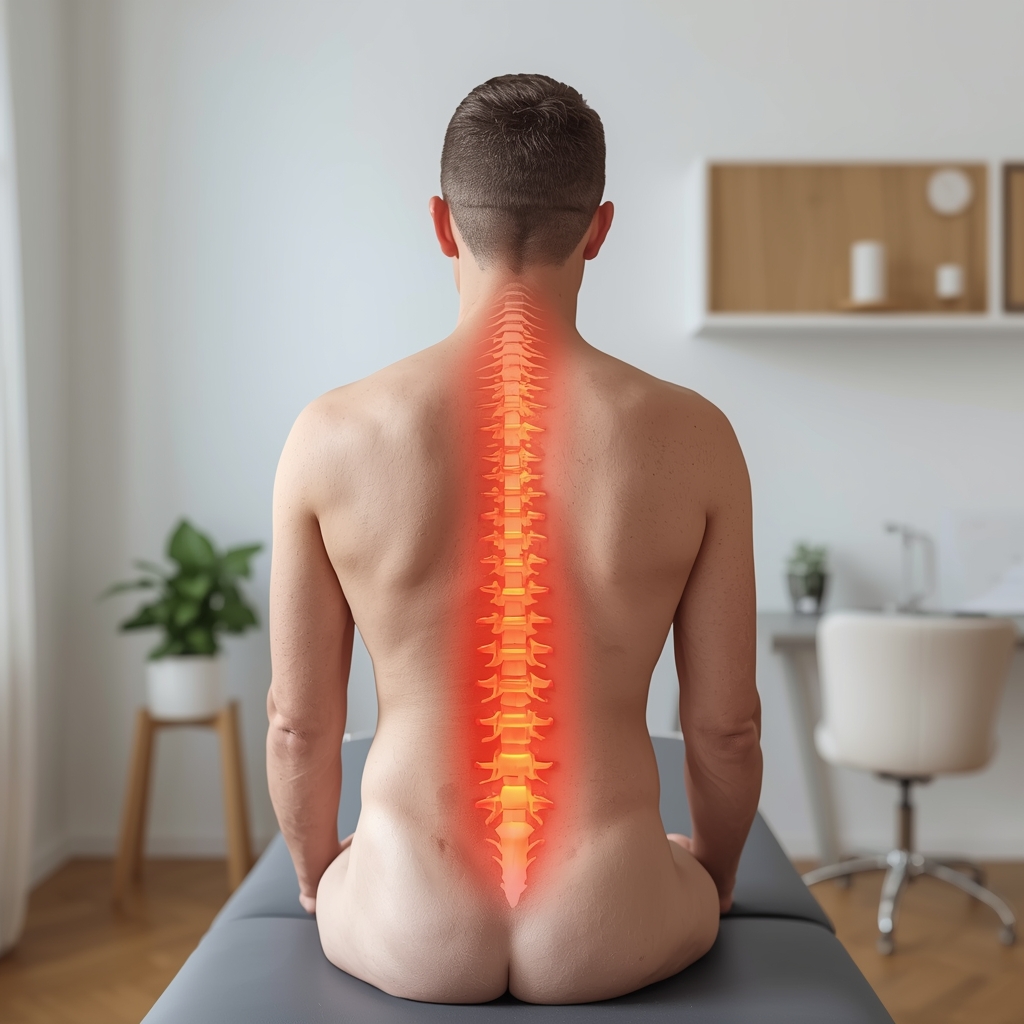
Understanding Spinal Anatomy and Sciatica
Sciatica occurs when the sciatic nerve, the body’s longest nerve, becomes compressed or irritated. This nerve originates from the lower spine (lumbar region) and extends through the hips, buttocks, and legs. A foundational understanding of spinal anatomy is critical for identifying the root causes of sciatica. The spine consists of vertebrae, intervertebral discs, and nerve roots, all of which play roles in this condition. For instance, herniated discs or spinal stenosis can press on the sciatic nerve, leading to pain. By recognizing these anatomical relationships, healthcare providers can better assess and address sciatica’s underlying issues.
The Role of Spinal Structures in Sciatica
The lumbar spine’s structure directly influences sciatica symptoms. Each vertebra is separated by discs that act as shock absorbers. When these discs bulge or rupture, they may compress nearby nerve roots, triggering sciatic pain. Additionally, the spinal canal and foramina (openings) through which nerves pass can narrow due to arthritis or bone spurs, further irritating the sciatic nerve. Understanding these anatomical pathways allows chiropractors to pinpoint where the nerve is being affected. This knowledge is essential for distinguishing sciatica from other conditions with similar symptoms, such as piriformis syndrome or hip-related pain.
Diagnostic Benefits of Anatomical Knowledge
Chiropractors use their understanding of spinal anatomy to conduct thorough evaluations. By assessing posture, range of motion, and neurological responses, they can identify which spinal structures are contributing to sciatica. For example, a patient with a herniated disc in the L5-S1 region may experience pain radiating down the leg, while spinal stenosis might cause discomfort when standing. This anatomical awareness helps avoid misdiagnosis and ensures targeted interventions. It also guides the selection of diagnostic tools, such as X-rays or MRI scans, to visualize the spine’s condition. Ultimately, this approach leads to more accurate diagnoses and personalized treatment plans.
Targeted Treatment Approaches
Knowledge of spinal anatomy enables chiropractors to design treatments that address the specific cause of sciatica. Spinal adjustments, for instance, can realign vertebrae that are pressing on the sciatic nerve, reducing inflammation and pain. Soft tissue therapies may target tight muscles, such as the piriformis, which can mimic sciatica symptoms. Additionally, exercises and stretches tailored to the affected spinal regions can improve mobility and prevent recurrence. By focusing on the anatomical source of the problem, chiropractors enhance the effectiveness of interventions, promoting faster recovery and long-term relief.
Personalized Care Through Anatomical Insight
Every individual’s spine is unique, and anatomical variations can influence how sciatica presents. A chiropractor’s expertise in spinal anatomy allows them to create customized care plans. For example, a patient with a history of spinal injuries may require different adjustments than someone with degenerative disc disease. This personalized approach considers factors like muscle imbalances, posture, and lifestyle. By aligning treatment with the patient’s specific anatomy, chiropractors can optimize outcomes and minimize the risk of complications. This tailored strategy ensures that care is both effective and safe, addressing the root cause rather than just the symptoms.
Conclusion: The Importance of Spinal Anatomy in Sciatica Management
Understanding spinal anatomy is essential for diagnosing and treating sciatica effectively. It provides the framework for identifying the precise structures involved, guiding accurate diagnoses, and developing targeted interventions. Chiropractors who prioritize this knowledge can offer more precise, personalized care, improving patient outcomes. While this information highlights the value of anatomical insight, it is not a substitute for professional medical advice. Individuals experiencing sciatica should consult a qualified chiropractor to explore how spinal anatomy informs their specific treatment plan.














