
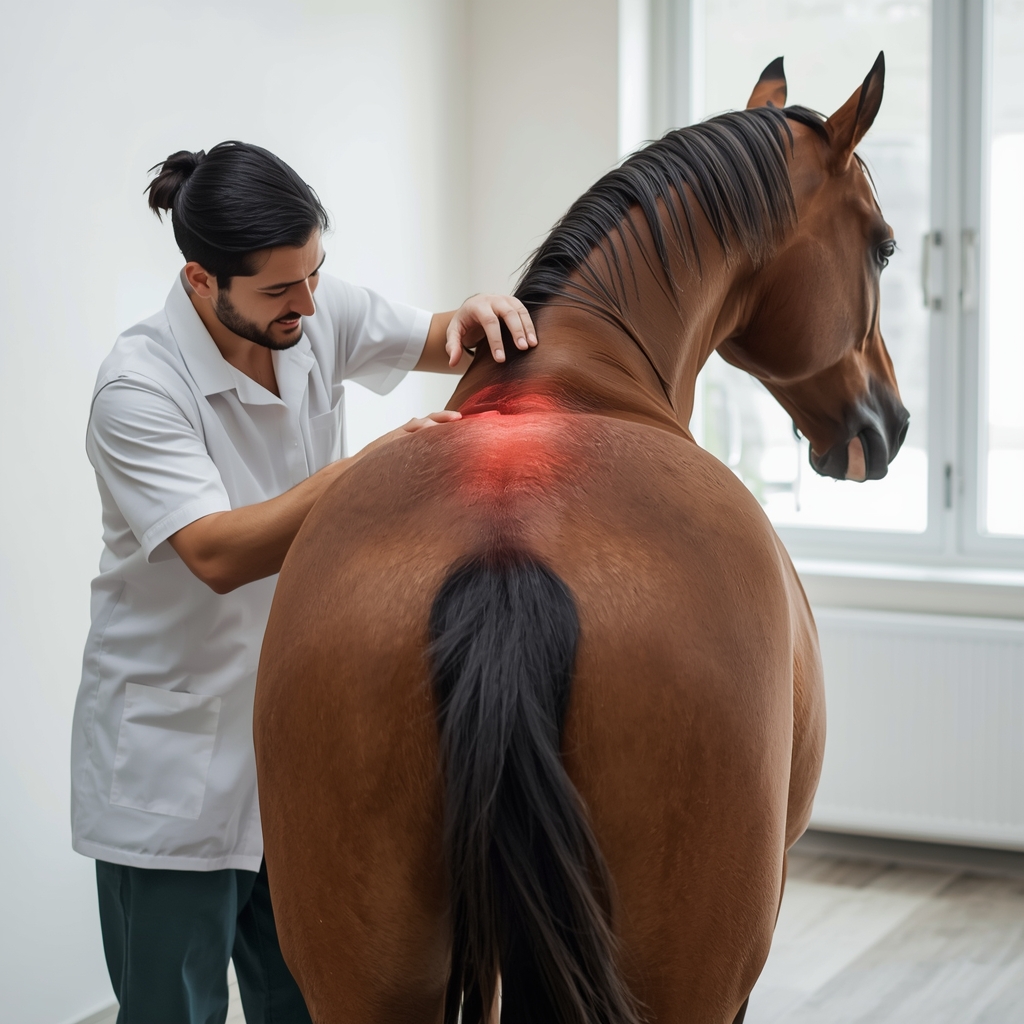
Understanding Animal Chiropractic for Performance Horses
Animal chiropractic focuses on the musculoskeletal system of animals, including performance horses, to address issues affecting mobility, comfort, and athletic performance. Specialized practitioners use hands-on techniques to identify and correct spinal and joint misalignments, which can impact nerve function and overall health. For horses, this approach is particularly valuable in maintaining peak physical condition, as even minor imbalances can hinder movement or cause pain. Chiropractic care is often integrated with traditional veterinary medicine to support recovery and prevent further injury. The goal is to enhance the horse’s natural ability to move efficiently while reducing discomfort. This field requires advanced training and certification, ensuring practitioners understand the unique anatomy and needs of equine athletes. By addressing structural issues early, animal chiropractors help horses perform at their best while promoting long-term wellness.
Common Injuries in Performance Horses
Performance horses are prone to injuries due to the physical demands of activities like jumping, racing, or dressage. Common issues include muscle strains, joint inflammation, and spinal misalignments that can arise from repetitive motion or sudden trauma. Lameness, often linked to hoof imbalance or back pain, is a frequent concern that affects gait and performance. Soft tissue injuries, such as tendon or ligament damage, may also occur, requiring careful management to avoid chronic issues. Additionally, horses may develop compensatory movement patterns after an injury, leading to secondary problems in other areas of the body. These injuries can reduce a horse’s ability to perform and increase the risk of further damage. Early detection and intervention are critical to preventing long-term complications. Animal chiropractic care plays a role in identifying these issues through physical exams and gait analysis, offering a non-invasive approach to support recovery and maintain optimal function.
Techniques Used in Equine Chiropractic Care
Animal chiropractors employ a variety of techniques to address musculoskeletal issues in performance horses. Spinal adjustments are a core practice, involving precise manual manipulations to realign vertebrae and restore proper joint function. Soft tissue therapies, such as myofascial release or trigger point therapy, help alleviate muscle tension and improve flexibility. Some practitioners use Active Release Technique (ART) to treat overused or injured soft tissues, enhancing recovery. Mobilization exercises may be recommended to strengthen weakened muscles and improve range of motion. Additionally, therapeutic modalities like cold laser therapy or ultrasound might be integrated to reduce inflammation and promote healing. These methods are tailored to the horse’s specific needs, ensuring a personalized approach to care. The emphasis is on restoring balance and function without invasive procedures, supporting the horse’s ability to perform and recover effectively.
The Role of the Chiropractor in Equine Health
Equine chiropractors play a vital role in assessing and addressing the musculoskeletal health of performance horses. Through thorough physical examinations, they evaluate gait patterns, muscle tone, and joint mobility to identify areas of dysfunction. This diagnostic process often includes observing the horse in motion and palpating the spine for misalignments. Once issues are detected, the chiropractor develops a treatment plan that may involve adjustments, soft tissue work, or rehabilitation exercises. Regular sessions can help maintain optimal spinal function and prevent recurring injuries. Chiropractors also collaborate with veterinarians to ensure a holistic approach to the horse’s care, combining chiropractic techniques with medical treatments when necessary. Their expertise allows them to address both acute and chronic conditions, supporting the horse’s overall well-being. By focusing on non-invasive, drug-free solutions, they contribute to the long-term health and performance of equine athletes.
Benefits of Chiropractic Care for Performance Horses
Chiropractic care offers several benefits for performance horses, including improved mobility, reduced pain, and enhanced athletic performance. By correcting spinal and joint misalignments, chiropractors help restore proper nerve function, which can alleviate discomfort and support efficient movement. This approach is particularly valuable for horses experiencing stiffness or lameness, as it promotes natural healing without the need for medication. Regular adjustments may also prevent injuries by maintaining optimal musculoskeletal balance, reducing the risk of compensatory movements that can lead to further damage. Additionally, chiropractic care can aid in recovery after an injury, accelerating the healing process and restoring function. Horses often exhibit increased flexibility and comfort following treatment, which can translate to better performance in their respective disciplines. Owners and trainers frequently report improved behavior and willingness to work, highlighting the positive impact of chiropractic interventions on the horse’s overall well-being.
When to Seek Professional Chiropractic Assistance
If a performance horse shows signs of discomfort, such as reluctance to move, changes in gait, or muscle stiffness, consulting a qualified animal chiropractor is advisable. These symptoms may indicate underlying musculoskeletal issues that require professional evaluation. Chiropractors are trained to assess and treat conditions specific to equine anatomy, ensuring safe and effective care. It is important to seek a practitioner with experience in equine chiropractic, as techniques must be tailored to the horse’s size, breed, and activity level. Regular check-ups can help maintain spinal health and prevent minor issues from escalating into more serious problems. While chiropractic care is not a substitute for veterinary treatment, it can complement traditional medicine by addressing structural imbalances. Horse owners should discuss any concerns with both their veterinarian and a certified chiropractor to determine the best course of action. This collaborative approach ensures the horse receives comprehensive care, supporting its health and performance over time.













