
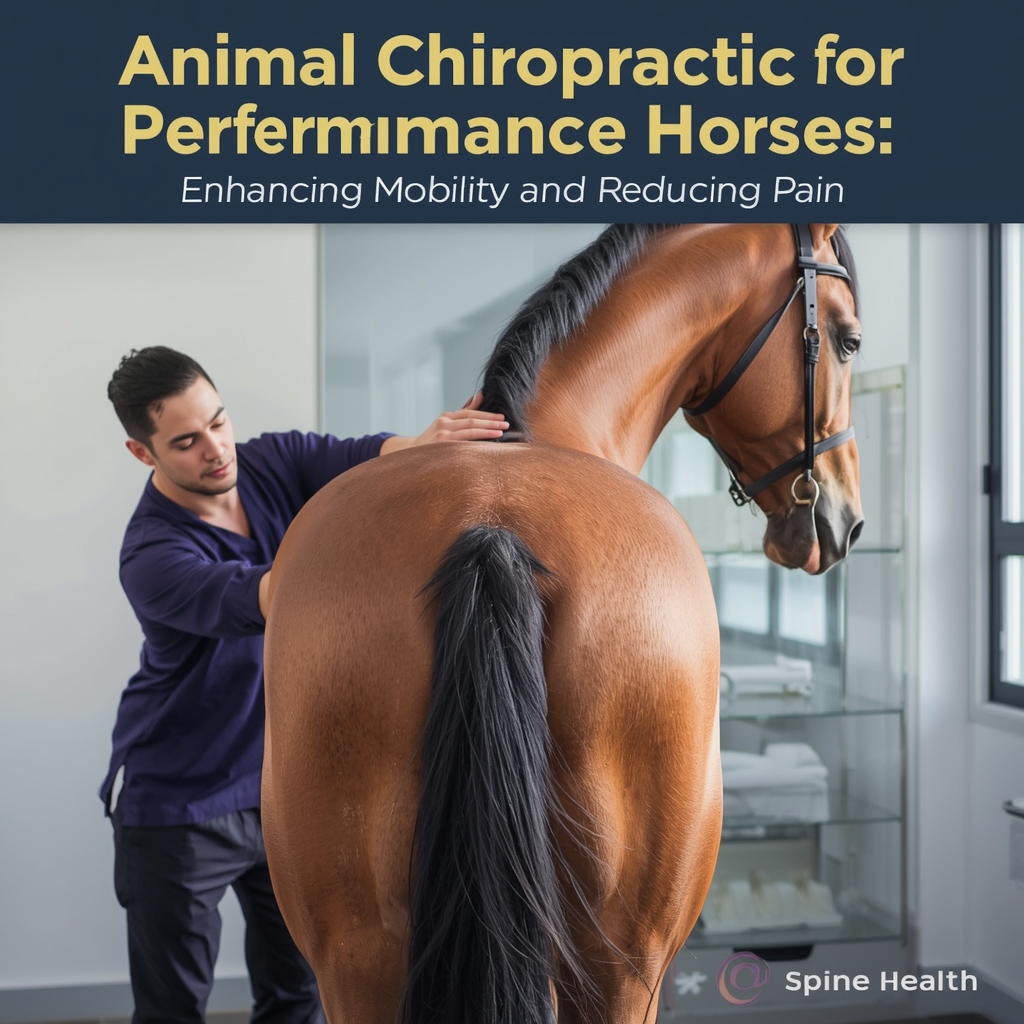
Introduction to Animal Chiropractic for Horses
Animal chiropractic focuses on the musculoskeletal and nervous systems of animals, including performance horses. For equines, this specialized care addresses misalignments in the spine and joints that can hinder mobility and cause discomfort. By restoring proper alignment, chiropractic adjustments aim to enhance nerve function, improve flexibility, and support overall well-being. While not a substitute for veterinary care, it complements traditional treatments by focusing on structural health. Many horse owners and trainers seek chiropractic services to maintain their animals’ peak performance and prevent injuries. The practice is grounded in the principle that a properly aligned spine allows the body to function optimally, which is especially critical for high-performance horses engaged in activities like racing, jumping, or dressage.
How Chiropractic Care Addresses Mobility Issues
Performance horses rely on fluid movement and balance, which can be compromised by spinal or joint misalignments. Animal chiropractors use manual adjustments to correct these issues, restoring range of motion and reducing stiffness. For example, a horse with restricted movement in the thoracic spine may struggle with gait irregularities or resistance during training. By realigning the vertebrae, chiropractic care can alleviate these problems, allowing the horse to move more freely. This approach is particularly beneficial for addressing compensatory patterns—when a horse shifts weight to avoid pain in one area, leading to further imbalances. Regular sessions help maintain optimal mobility, ensuring the horse can perform at its best without discomfort. The goal is to support the horse’s natural ability to move efficiently, which is essential for athletic success and long-term soundness.
Pain Reduction Techniques in Equine Patients
Pain in performance horses often stems from musculoskeletal strain, repetitive motion, or injury. Animal chiropractic employs gentle adjustments to relieve pressure on nerves and muscles, reducing pain and promoting healing. By addressing spinal subluxations—partial dislocations that interfere with nerve function—chiropractors help the body’s systems communicate more effectively. This can lead to decreased inflammation and improved recovery times. For instance, a horse experiencing back pain may show signs of resistance or reluctance to perform, but chiropractic care can alleviate these symptoms by restoring proper alignment. Techniques may also include soft tissue work to release tight muscles and enhance circulation. While not a cure-all, these methods are often used alongside veterinary care to manage chronic conditions and support the horse’s comfort. The emphasis is on non-invasive, holistic solutions that prioritize the animal’s well-being.
The Role of Spinal Alignment in Performance
The spine is central to a horse’s movement, balance, and coordination. Even minor misalignments can disrupt nerve signals, affecting muscle function and performance. Animal chiropractic focuses on ensuring the spine is properly aligned to optimize these systems. For performance horses, this means better control, agility, and endurance. A well-aligned spine also reduces the risk of injury by distributing physical stress more evenly across the body. For example, a horse with a misaligned pelvis may develop uneven muscle development or lameness over time. Regular chiropractic checkups can detect and correct these issues before they escalate. This proactive approach helps maintain the horse’s physical integrity, allowing it to perform with greater ease and efficiency. Ultimately, spinal health is a cornerstone of equine athletic performance and longevity.
Integrating Chiropractic with Other Therapies
Chiropractic care for horses is often part of a broader wellness strategy that includes veterinary medicine, physiotherapy, and nutrition. Combining these approaches can enhance outcomes by addressing multiple factors affecting the horse’s health. For instance, a chiropractor might work alongside a farrier to ensure proper hoof balance, which supports spinal alignment. Similarly, massage therapy or acupuncture can complement adjustments by relaxing muscles and improving circulation. This integrative model allows for a more comprehensive assessment of the horse’s needs, ensuring that no single issue is overlooked. Horse owners are encouraged to collaborate with a team of professionals to create a tailored care plan. By combining chiropractic with other therapies, the focus remains on the horse’s overall health, promoting both performance and comfort.
When to Seek a Qualified Animal Chiropractor
Horse owners should consider consulting a qualified animal chiropractor if their equine athlete shows signs of discomfort, reduced performance, or behavioral changes. Common indicators include stiffness, resistance during training, or difficulty bending and turning. These symptoms may signal underlying musculoskeletal issues that a chiropractor can address. It’s important to choose a practitioner with specialized training in animal care, as techniques differ from those used in human chiropractic. Regular checkups can also serve as a preventive measure, catching potential problems early. While chiropractic care is generally safe, it should always be part of a comprehensive health plan overseen by a veterinarian. Owners should discuss any concerns with their equine healthcare team to determine the best course of action. The goal is to support the horse’s health and performance through informed, professional guidance.














