
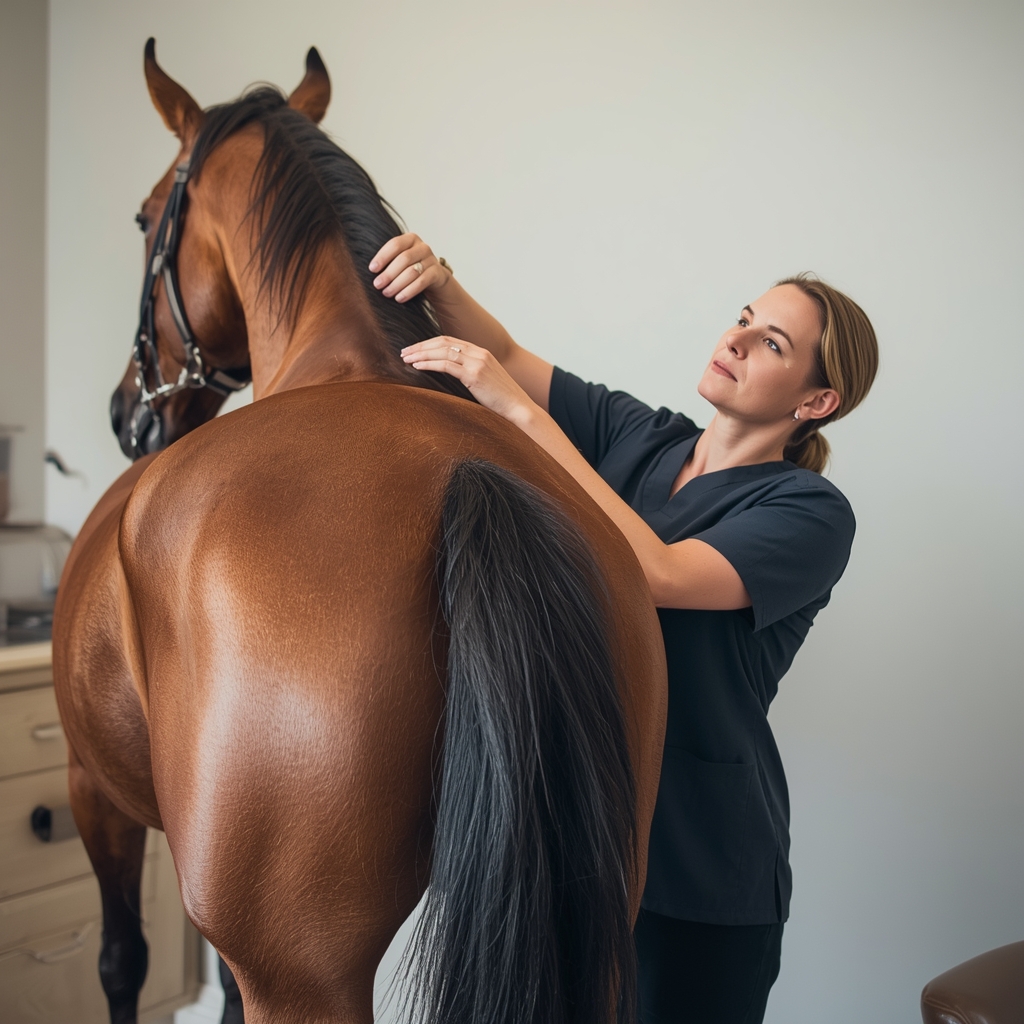
The Role of Spinal Health in Equine Performance
Spinal health is critical for performance horses, as their backs support movement, balance, and overall athleticism. Back pain can manifest as lameness, reduced agility, or behavioral issues, impacting their ability to perform at peak levels. The spine’s alignment affects nerve function, muscle coordination, and joint mobility, making it a cornerstone of equine wellness. Even minor misalignments can disrupt the horse’s natural biomechanics, leading to discomfort and decreased performance. Regular chiropractic care helps maintain optimal spinal function, ensuring the horse can move freely and efficiently. This proactive approach supports not only athletic success but also the horse’s long-term comfort and soundness. By prioritizing spinal health, owners and trainers can address issues before they escalate, fostering a healthier, more resilient athlete.
How Chiropractic Care Addresses Back Pain in Horses
Chiropractic care for horses involves a thorough assessment of the musculoskeletal system to identify areas of restriction or misalignment. A qualified animal chiropractor uses manual techniques to realign the spine and joints, restoring proper function and alleviating pain. This process often includes palpation, movement analysis, and targeted adjustments tailored to the horse’s specific needs. By correcting subluxations (partial dislocations), chiropractors aim to reduce inflammation, improve range of motion, and enhance nerve communication throughout the body. The goal is to relieve discomfort and support the horse’s natural healing processes. Many horse owners report visible improvements in gait, flexibility, and overall demeanor after adjustments. This non-invasive approach complements traditional veterinary care, offering a holistic option for managing back pain and promoting equine well-being.
Common Techniques Used in Animal Chiropractic
Animal chiropractors employ a variety of techniques to address musculoskeletal issues in horses. Spinal manipulation is the most common, involving precise, controlled movements to realign vertebrae and relieve pressure on nerves. Soft tissue therapy, such as myofascial release, helps reduce muscle tension and improve circulation around the spine. Some practitioners incorporate cold laser therapy to decrease inflammation and accelerate healing. Others may use acupuncture or dry needling to stimulate pain relief and restore balance. These techniques are often combined to create a comprehensive treatment plan. Each method is adapted to the horse’s size, condition, and comfort level, ensuring a safe and effective experience. The focus remains on enhancing mobility, reducing pain, and supporting the horse’s physical and neurological health through gentle, targeted interventions.
Benefits of Chiropractic Care for Performance Horses
Chiropractic care offers numerous benefits for performance horses, particularly those experiencing back pain. By restoring proper spinal alignment, it can improve flexibility, coordination, and overall movement efficiency. This is crucial for activities like jumping, racing, or dressage, where precision and power are essential. Regular adjustments may also prevent injuries by addressing imbalances before they worsen. Horses often exhibit increased energy, improved focus, and better posture following care, which can enhance their performance and longevity. Additionally, chiropractic support can aid in recovery from existing injuries by reducing pain and promoting natural healing. Owners and trainers frequently note a more willing and comfortable horse, which fosters a stronger human-animal bond. These advantages highlight the value of integrating chiropractic care into a horse’s wellness routine, supporting both athletic excellence and long-term health.
The Importance of Regular Chiropractic Check-Ups
Regular chiropractic check-ups are essential for maintaining a performance horse’s optimal health and preventing back issues. Even without visible symptoms, horses can develop subtle misalignments from training, competition, or daily activities. Routine adjustments help identify and correct these problems early, reducing the risk of chronic pain or injury. This proactive approach ensures the horse’s spine remains in proper alignment, supporting efficient movement and nerve function. For competitive horses, consistent care can sustain peak performance and minimize downtime due to musculoskeletal strain. Owners should work with a qualified animal chiropractor to establish a personalized schedule based on the horse’s workload and individual needs. By prioritizing regular check-ups, caretakers invest in their horse’s long-term soundness, ensuring they can perform safely and comfortably throughout their career.
Working with a Qualified Animal Chiropractor
When seeking chiropractic care for a performance horse, it is crucial to consult a licensed and experienced animal chiropractor. These professionals undergo specialized training to understand equine anatomy and apply safe, effective techniques. They often collaborate with veterinarians to ensure a holistic approach to the horse’s health. Before any treatment, a thorough examination is conducted to assess the horse’s condition and determine the best course of action. Owners should communicate their horse’s history, symptoms, and performance goals to guide the chiropractor’s evaluation. It is important to note that chiropractic care is not a substitute for veterinary medical treatment but a complementary option. By working with qualified experts, horse owners can confidently address back pain and support their animal’s well-being through evidence-based, non-invasive care.















