
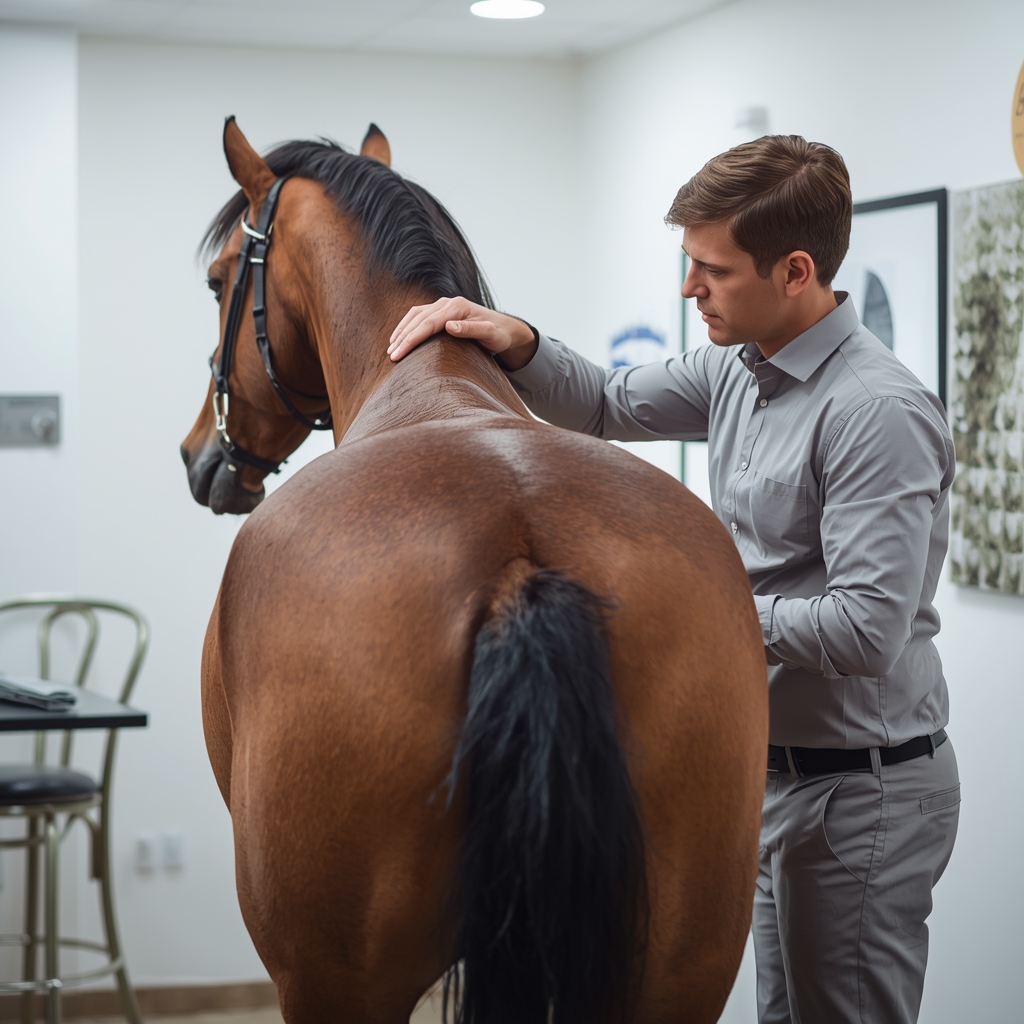
Understanding Musculoskeletal Challenges in Performance Horses
Performance horses, whether in racing, show jumping, or endurance events, face unique musculoskeletal demands. Repetitive motion, heavy loads, and high-speed activities can lead to imbalances, stiffness, or pain in their spine, joints, and muscles. These issues may manifest as reduced agility, lameness, or behavioral changes, impacting their overall performance. Unlike humans, horses cannot verbally communicate discomfort, making early detection critical. Chiropractic care offers a non-invasive approach to address these challenges by focusing on the musculoskeletal system’s alignment and function. By identifying and correcting subluxations (misalignments) and soft tissue restrictions, chiropractors help restore mobility and comfort, supporting the horse’s ability to perform at its best. This holistic method complements traditional veterinary care, emphasizing prevention and maintenance rather than reactive treatment.
How Chiropractic Care Supports Equine Mobility and Function
Chiropractic adjustments for horses aim to restore proper joint motion and nerve function, which are essential for optimal performance. Misalignments in the spine or limbs can disrupt the nervous system’s communication with muscles and organs, leading to decreased coordination and efficiency. Regular chiropractic sessions help realign the skeletal structure, reducing pain and improving range of motion. This is particularly beneficial for horses experiencing stiffness after intense training or competition. Additionally, chiropractors often use soft tissue techniques to alleviate muscle tension and enhance circulation, further supporting recovery. By maintaining spinal integrity and muscular balance, chiropractic care can prevent minor issues from escalating into chronic conditions. Many horse owners report improved gait, flexibility, and overall well-being in their animals following consistent chiropractic support, highlighting its role in sustaining long-term performance and health.
Common Techniques Used in Equine Chiropractic Care
Equine chiropractors employ a variety of techniques tailored to the unique anatomy of horses. Spinal adjustments are a cornerstone, involving gentle manipulations to correct misalignments in the vertebrae. These adjustments help relieve pressure on nerves, promoting better coordination and pain relief. Soft tissue therapies, such as myofascial release and trigger point work, target muscle knots and tension that can restrict movement. Techniques like Active Release Technique (ART) and Graston Technique may also be used to address specific areas of tightness or scar tissue. Additionally, mobilization of joints and stretching exercises can enhance flexibility and prevent future injuries. Chiropractors often combine these methods with careful observation of the horse’s behavior and movement patterns to ensure treatments are effective. Each session is customized to the horse’s needs, emphasizing safety and comfort while addressing the root causes of musculoskeletal discomfort.
The Role of Chiropractic in Preventing Performance-Related Injuries
Proactive chiropractic care plays a vital role in preventing injuries that can hinder a horse’s performance. By maintaining proper alignment and muscle balance, chiropractors help reduce the risk of strains, sprains, and other common equine injuries. Regular adjustments can identify and address minor imbalances before they escalate into more severe issues. For instance, a slight misalignment in the pelvis might lead to uneven weight distribution, increasing the likelihood of lameness. Chiropractic interventions can correct such issues early, ensuring the horse remains sound and injury-free. Additionally, improved joint mobility and nerve function enhance the horse’s ability to move efficiently, reducing the strain on muscles and tendons during physical activity. This preventive approach not only supports the horse’s immediate performance but also contributes to its long-term health and career longevity. Integrating chiropractic care into routine maintenance can be a valuable strategy for owners and trainers seeking to minimize downtime and maximize athletic potential.
Collaborating with Veterinarians and Trainers for Holistic Care
Effective equine chiropractic care often involves collaboration with veterinarians and trainers to ensure a comprehensive approach to the horse’s well-being. Veterinarians provide medical diagnoses and may recommend chiropractic care as part of a broader treatment plan. Trainers, on the other hand, offer insights into the horse’s performance and behavior, helping chiropractors tailor adjustments to specific needs. This teamwork ensures that any underlying health issues are addressed alongside musculoskeletal concerns. For example, a veterinarian might identify a joint condition that a chiropractor can support through targeted adjustments, while a trainer can monitor improvements in the horse’s movement and performance. Open communication between all parties is essential to create a cohesive care strategy. By combining veterinary expertise, training knowledge, and chiropractic techniques, this multidisciplinary approach maximizes the horse’s comfort, mobility, and athletic capabilities, fostering a healthier and more successful performance career.
Considering Chiropractic Care for Your Performance Horse
For horse owners and trainers, incorporating chiropractic care into a performance regimen requires careful consideration. While it offers numerous benefits, it’s essential to consult a qualified equine chiropractor who has experience working with performance animals. Not all chiropractors are trained in equine care, so verifying credentials and certifications is crucial. Additionally, chiropractic care should complement, not replace, standard veterinary care. Regular check-ups with a veterinarian ensure that any medical conditions are properly managed alongside chiropractic treatments. Owners should also communicate openly with their chiropractor about the horse’s behavior, performance, and any changes observed. This collaboration helps optimize the effectiveness of each session. Ultimately, the decision to pursue chiropractic care depends on the horse’s individual needs and the owner’s goals. When approached thoughtfully and professionally, it can be a valuable tool in maintaining the health and performance of equine athletes.












