
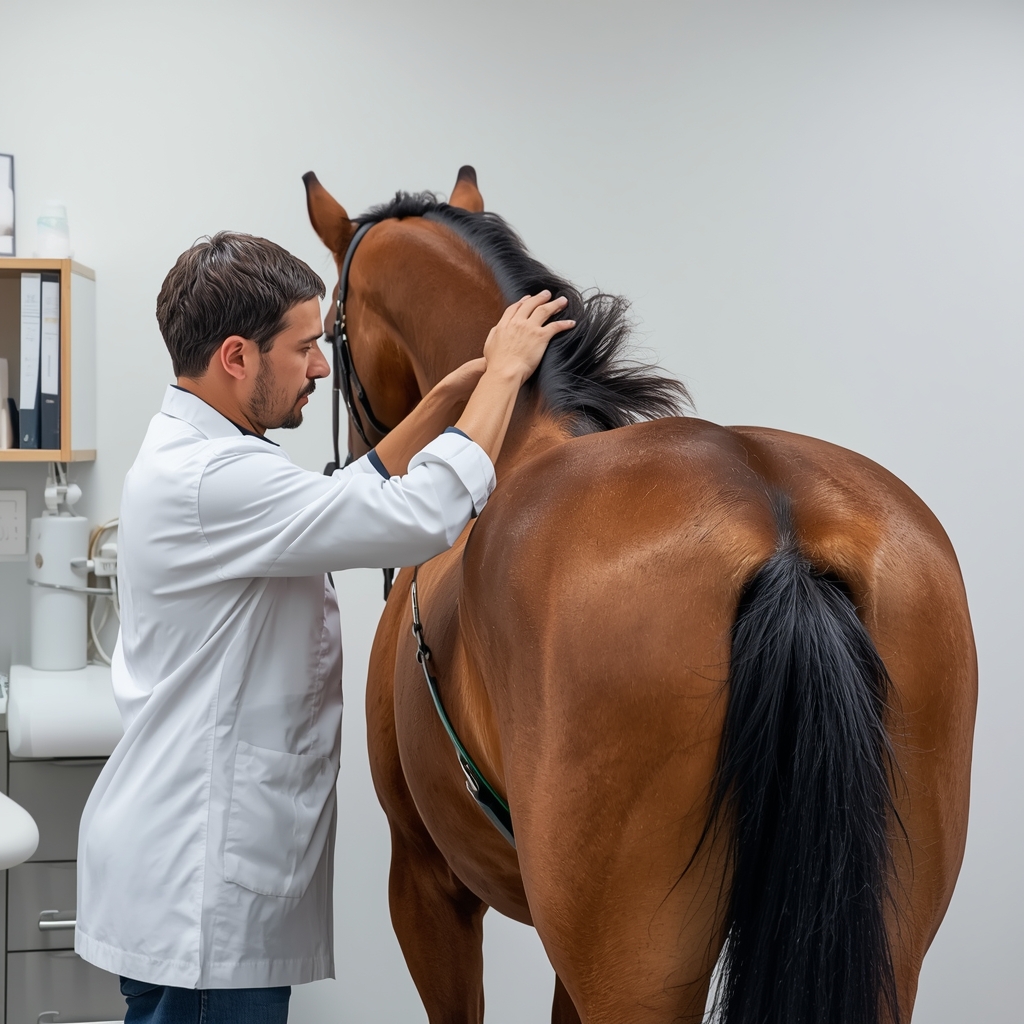
Understanding Animal Chiropractic for Performance Horses
Animal chiropractors specialize in diagnosing and treating musculoskeletal issues in animals, including performance horses. These professionals use manual adjustments to restore proper alignment and function to the spine and joints, which can enhance mobility, reduce pain, and improve overall performance. For horses, musculoskeletal health is critical, as even minor imbalances can affect gait, coordination, and athletic ability. Chiropractic care focuses on the relationship between the spine and nervous system, aiming to optimize body function without invasive procedures. It is often used alongside traditional veterinary care to support recovery and prevent injuries. Regular checkups can help identify subtle issues before they escalate, making it a valuable tool for maintaining a horse’s peak condition.
Common Musculoskeletal Issues in Performance Horses
Performance horses are prone to a range of musculoskeletal challenges due to the physical demands of their work. Common issues include back pain, lameness, and gait abnormalities, often stemming from repetitive strain, improper saddle fit, or uneven weight distribution. Joint stiffness, muscle imbalances, and spinal misalignments can also develop from rigorous training or sudden movements. These conditions may lead to reduced performance, discomfort, or even long-term damage if left unaddressed. For example, a horse with a subluxation (partial joint misalignment) might exhibit reluctance to move, resistance during training, or uneven hoof wear. Chiropractic care targets these underlying issues by realigning the spine and joints, promoting better movement patterns and reducing the risk of further complications.
Signs That Your Horse May Need Chiropractic Care
Owners should watch for subtle behavioral and physical cues that may indicate musculoskeletal discomfort. Common signs include stiffness, especially after rest or exercise; reluctance to perform certain movements; changes in gait or stride length; and resistance during riding or handling. Horses may also show irritability, muscle twitching, or uneven weight distribution when standing. Other indicators include difficulty bending or turning, reduced agility, or a decline in performance despite consistent training. These symptoms often point to spinal or joint misalignments that disrupt nerve function and muscle coordination. Early intervention is key, as minor issues can escalate into chronic problems. Regular evaluations by a qualified animal chiropractor can help detect these signs and address them before they impact the horse’s health or performance.
How Animal Chiropractors Address Musculoskeletal Issues
Animal chiropractors use a variety of techniques to assess and treat musculoskeletal imbalances in horses. A typical session begins with a thorough physical examination, including observation of movement, palpation of the spine and joints, and assessment of muscle tone. Adjustments are then performed using controlled, precise movements to realign the spine and restore proper function. These adjustments can relieve pressure on nerves, reduce inflammation, and improve range of motion. Soft tissue therapies, such as myofascial release, may also be employed to address muscle tightness or scar tissue. The goal is to enhance the horse’s natural healing abilities and support optimal performance. Chiropractic care is often tailored to the individual horse’s needs, with follow-up sessions to monitor progress and make necessary adjustments.
Benefits of Chiropractic Care for Performance Horses
Regular chiropractic care offers numerous benefits for performance horses, including improved flexibility, enhanced athletic performance, and faster recovery from exertion. By maintaining proper spinal alignment, chiropractors help ensure efficient nerve communication, which supports muscle function and coordination. This can lead to better balance, reduced risk of injury, and increased endurance during training or competition. Horses receiving chiropractic care often exhibit improved posture, smoother movement patterns, and greater willingness to perform. Additionally, non-invasive adjustments can complement other treatments, such as physical therapy or acupuncture, for a holistic approach to wellness. Owners may also notice a reduction in chronic pain or discomfort, contributing to the horse’s overall well-being and longevity in its athletic career.
When to Consult a Qualified Animal Chiropractor
If a horse shows persistent signs of discomfort or performance issues, it is advisable to consult a licensed animal chiropractor. These professionals are trained to identify and address musculoskeletal imbalances that may not be apparent during a routine veterinary exam. Owners should seek care if their horse exhibits unexplained lameness, stiffness, or behavioral changes that affect training. Chiropractic adjustments are generally safe when performed by a qualified practitioner, but it is essential to ensure the provider has experience working with equine patients. A thorough evaluation will determine the underlying cause of the issue and guide the treatment plan. While chiropractic care is not a substitute for veterinary medicine, it can be a valuable addition to a horse’s health regimen, supporting long-term mobility and performance.













