
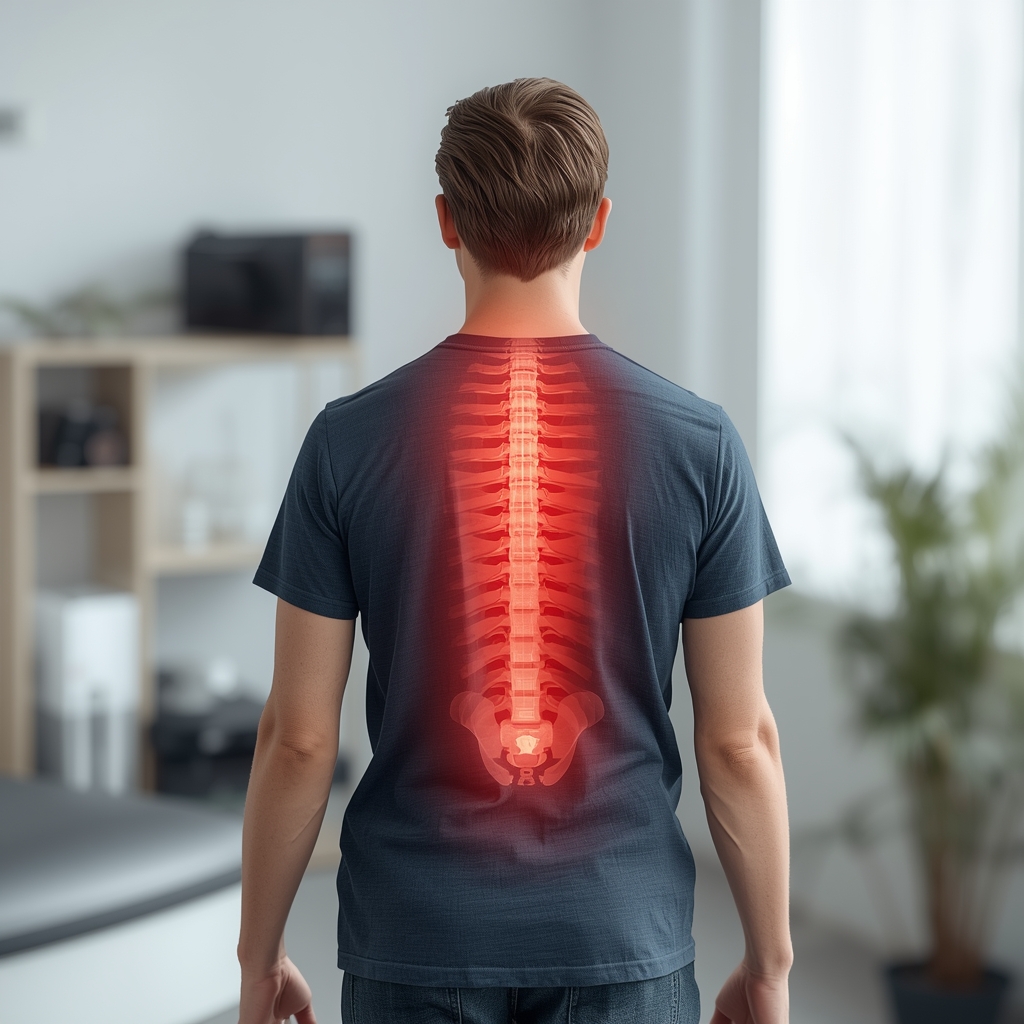
What Are Intervertebral Discs and Their Role in the Spine?
Intervertebral discs are the soft, gel-like cushions located between the bones of the spine, known as vertebrae. These discs act as shock absorbers, distributing pressure evenly across the spinal column and preventing bones from rubbing against each other. Each disc has a tough outer layer called the annulus fibrosus and a soft, jelly-like center called the nucleus pulposus. Together, they provide flexibility, allowing the spine to bend, twist, and move comfortably. Without healthy discs, the spine would be less stable, increasing the risk of injury and discomfort. Understanding their structure and function is key to grasping how spinal health is maintained and what happens when discs deteriorate.
How Do Discs Contribute to Spinal Stability?
Intervertebral discs play a critical role in maintaining spinal stability by acting as both shock absorbers and structural supports. When you move, the discs compress and rebound, helping to distribute forces generated by daily activities like standing, walking, or lifting. This function prevents excessive stress on individual vertebrae and reduces the likelihood of fractures or misalignment. Additionally, discs help maintain the natural curvature of the spine, which is essential for proper posture and balance. If discs become damaged or degenerate, the spine may lose its ability to absorb impact effectively, leading to instability, pain, and reduced mobility. This highlights the importance of preserving disc health for long-term spinal function.
Common Causes of Disc Degeneration
Disc degeneration often occurs due to natural aging, as discs lose water content and elasticity over time, making them less effective at cushioning the spine. Repetitive stress from activities like heavy lifting, poor posture, or prolonged sitting can also accelerate wear and tear. Injuries, such as falls or sudden trauma, may damage discs, leading to early degeneration. Lifestyle factors, including smoking and lack of physical activity, can further compromise disc health by reducing blood flow and nutrient delivery. While some degeneration is inevitable, understanding these factors can help individuals take steps to minimize their impact. However, it’s important to consult a healthcare professional for personalized guidance on maintaining spinal health.
The Impact of Disc Degeneration on Spinal Function
When intervertebral discs degenerate, their ability to cushion and support the spine diminishes, leading to increased friction between vertebrae. This can cause pain, stiffness, and reduced range of motion. Degenerated discs may also press on nerves, resulting in radiating pain, numbness, or weakness in the arms or legs. Over time, the spine’s alignment may shift, contributing to conditions like spinal stenosis or herniated discs. These changes can significantly affect daily activities and quality of life. While disc degeneration is a common part of aging, its effects vary among individuals. Early recognition of symptoms and proactive care can help manage these challenges effectively.
Recognizing Symptoms of Disc Issues
Disc problems often manifest as localized or radiating pain, depending on the affected area. For example, lower back pain may indicate issues in the lumbar discs, while neck pain could signal problems in the cervical region. Other symptoms include stiffness, reduced flexibility, and tingling or numbness in the extremities. These signs may worsen with movement or prolonged sitting, making it difficult to perform routine tasks. However, symptoms can overlap with other spinal conditions, so accurate diagnosis is crucial. A chiropractor or medical professional can evaluate the spine through physical exams and imaging to determine the root cause and recommend appropriate care strategies.
Maintaining Disc Health and Preventing Degeneration
Maintaining healthy intervertebral discs involves a combination of lifestyle choices and professional care. Regular, low-impact exercise like walking or swimming can strengthen the muscles supporting the spine and improve flexibility. Maintaining good posture, avoiding excessive strain on the back, and using proper lifting techniques are also essential. Chiropractic care may help by addressing spinal misalignments that could contribute to disc stress. While these steps can support disc health, they are not a substitute for medical advice. Individuals experiencing persistent pain or mobility issues should seek guidance from a qualified healthcare provider to explore tailored solutions.













