
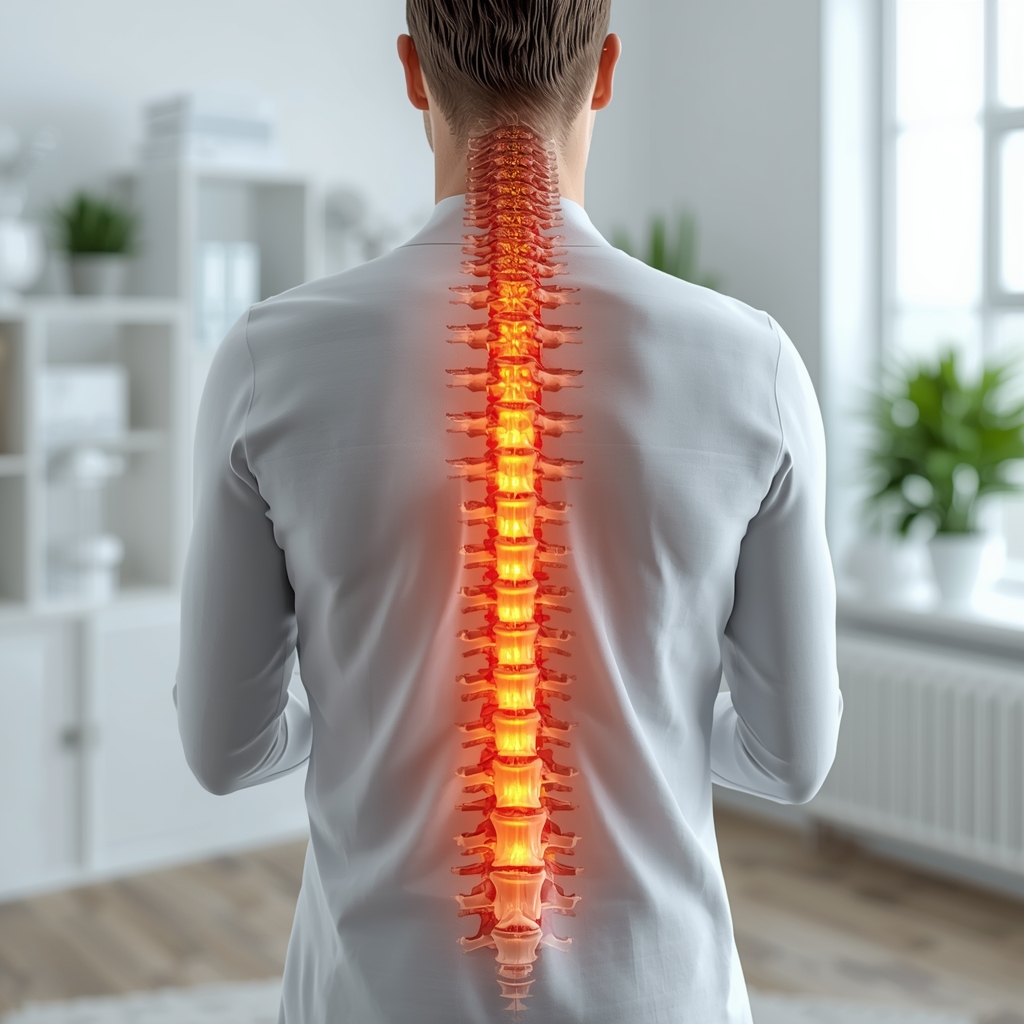
What Are Intervertebral Discs and Why Are They Important?
Intervertebral discs are the soft, gel-like structures between the bones of the spine, known as vertebrae. Each disc acts as a shock absorber, cushioning the vertebrae during movement and daily activities. Their unique structure includes a tough outer layer called the annulus fibrosus and a gel-like inner core, the nucleus pulposus. This design allows discs to distribute pressure evenly, preventing bones from rubbing against each other. Beyond shock absorption, discs contribute to spinal flexibility, enabling bending, twisting, and other motions. They also help maintain the spine’s natural curves, which are essential for balance and posture. Without healthy discs, the spine would be rigid and prone to injury, highlighting their critical role in overall spinal stability and function.
How Do Discs Contribute to Spinal Stability?
Intervertebral discs play a key role in spinal stability by maintaining the proper spacing between vertebrae. This spacing ensures that spinal nerves can exit the spine without compression, supporting nerve function and sensation. The discs’ ability to absorb and redistribute force helps prevent excessive stress on the spinal column during activities like lifting, jumping, or even sitting. They also support the spine’s alignment, which is vital for maintaining good posture and reducing strain on muscles and joints. When discs are healthy, they contribute to a strong, flexible spine that can withstand daily wear and tear. However, disc degeneration or damage can compromise this stability, leading to pain, limited mobility, and increased risk of further injury. Understanding their role underscores the importance of preserving disc health for long-term spinal well-being.
Common Disc-Related Issues and Their Impact
Disc problems often arise from wear and tear, injury, or degenerative conditions. A herniated disc occurs when the gel-like nucleus pulposus pushes through the outer annulus fibrosus, potentially pressing on nearby nerves and causing pain, numbness, or weakness. Degenerative disc disease involves the gradual breakdown of discs, reducing their ability to cushion the spine and leading to chronic pain. These issues can disrupt spinal stability, causing misalignment, reduced mobility, and nerve-related symptoms. For example, a herniated disc in the lower back may result in sciatica, while cervical disc problems can cause neck pain and headaches. Poor posture, repetitive strain, or trauma can accelerate disc degeneration. Addressing these issues early is crucial to prevent further complications and maintain spinal function. Recognizing symptoms like persistent pain or tingling can prompt timely intervention, such as chiropractic care or other treatments.
The Role of Chiropractic Care in Disc Health
Chiropractic care focuses on restoring and maintaining spinal alignment, which directly supports intervertebral disc health. Through spinal adjustments, chiropractors can relieve pressure on discs caused by misaligned vertebrae, reducing pain and improving mobility. These adjustments help ensure discs remain in their proper position, preventing excessive wear and tear. Chiropractors may also use techniques like soft tissue therapy or mobility exercises to enhance blood flow and promote disc regeneration. By addressing spinal imbalances, chiropractic care can alleviate symptoms associated with disc issues, such as nerve compression or inflammation. Additionally, chiropractors often provide guidance on posture, ergonomics, and lifestyle habits that reduce strain on discs. This holistic approach not only manages existing disc problems but also helps prevent future complications, supporting long-term spinal stability and overall wellness.
Chiropractic Approaches to Preventing Disc Degeneration
Preventing disc degeneration involves maintaining a healthy spine through regular chiropractic care and proactive lifestyle choices. Chiropractors may recommend specific exercises to strengthen the muscles supporting the spine, reducing the load on intervertebral discs. They can also assess and correct postural imbalances that contribute to disc stress, such as slouching or uneven weight distribution. Spinal adjustments help keep vertebrae properly aligned, minimizing abnormal pressure on discs and promoting their longevity. Chiropractors often advise patients on ergonomic practices, like proper lifting techniques or workstation setup, to reduce disc strain. Additionally, they may suggest dietary or supplement recommendations to support tissue health. By addressing both structural and lifestyle factors, chiropractic care plays a vital role in preserving disc integrity and preventing the onset of degenerative conditions that can compromise spinal stability.
When to Seek Chiropractic Care for Disc Issues
If you experience persistent back or neck pain, numbness, tingling, or weakness, it may indicate a disc-related issue requiring professional evaluation. Chiropractors are trained to assess spinal health and identify disc problems through physical exams and imaging if needed. Early intervention can prevent minor issues from worsening, such as a bulging disc progressing to a herniation. Chiropractic care is often a first-line option for managing disc-related discomfort, offering non-invasive, drug-free solutions. However, it’s important to consult a qualified provider to determine the best course of action for your specific condition. While chiropractic care can complement other treatments, it should not replace medical advice for severe or urgent cases. By working with a chiropractor, you can develop a personalized plan to support disc health, improve mobility, and enhance your quality of life.













