
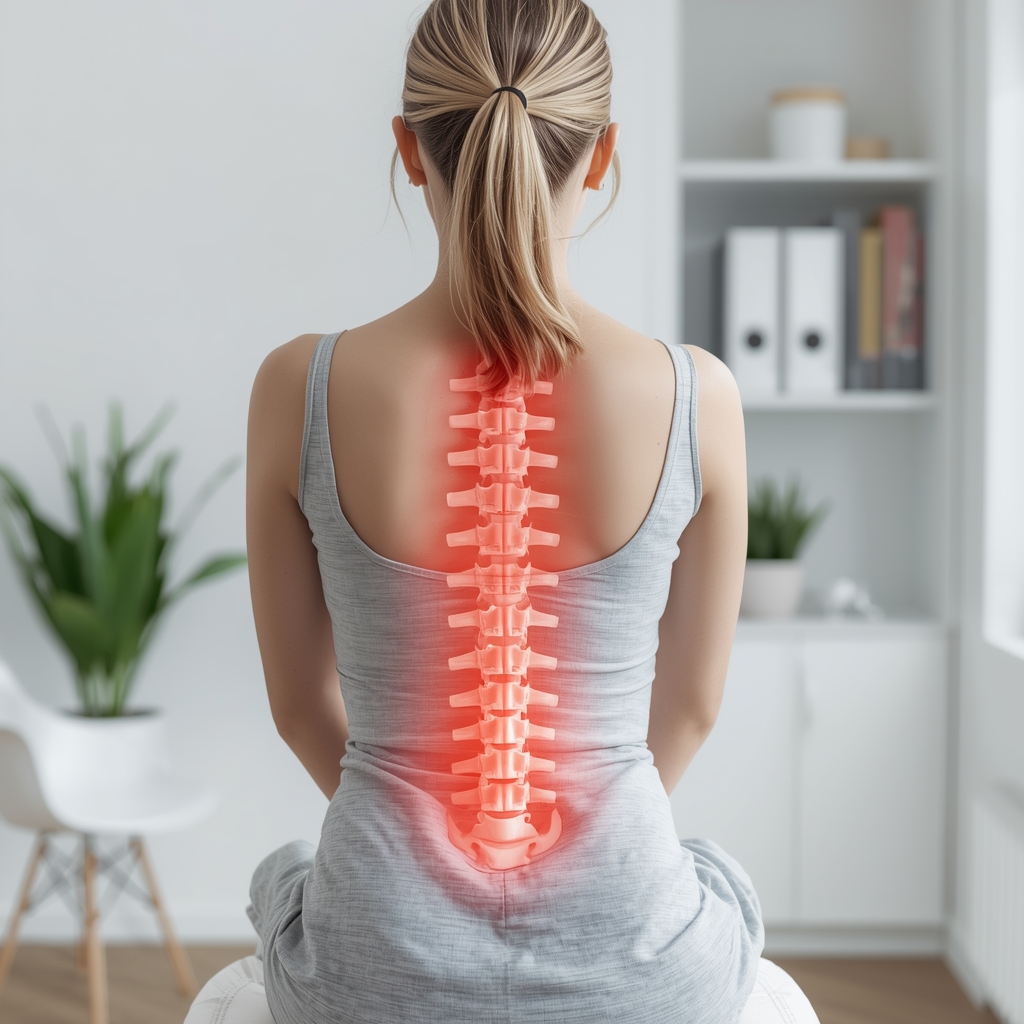
What Are Intervertebral Discs and Their Role in Spinal Stability?
Intervertebral discs are the shock-absorbing structures between the vertebrae of the spine, composed of a tough outer layer (annulus fibrosus) and a gel-like inner core (nucleus pulposus). These discs act as cushions, distributing pressure evenly during movement and preventing bones from rubbing against each other. They also enable flexibility, allowing the spine to bend, twist, and withstand daily stresses. Proper disc function is critical for maintaining spinal stability, as they support the spine’s structure while facilitating motion. When discs are healthy, they contribute to a balanced, pain-free musculoskeletal system. However, degeneration, injury, or misalignment can compromise their ability to perform these roles, leading to discomfort or reduced mobility. Understanding their anatomy and function helps chiropractors identify how disc health impacts overall spinal integrity and patient well-being.
How Do Disc Issues Contribute to Pain and Dysfunction?
Disc problems, such as herniation, bulging, or degeneration, can irritate nearby nerves or compress spinal structures, causing pain, numbness, or weakness. For example, a herniated disc may push its inner gel into the spinal canal, pressing on a nerve root and triggering radiating pain—commonly known as sciatica. Degenerative disc disease, often linked to aging, reduces disc height and elasticity, leading to stiffness and chronic discomfort. These issues can also alter spinal mechanics, creating compensatory movements that strain surrounding muscles and joints. Chiropractors recognize these patterns to assess how disc dysfunction contributes to a patient’s symptoms. By identifying the root cause, they can develop targeted strategies to alleviate pain and restore functional mobility without invasive interventions.
Chiropractic Techniques for Addressing Disc-Related Issues
Chiropractors use non-invasive methods to address disc-related pain by restoring proper spinal alignment and reducing pressure on affected areas. Spinal adjustments, for instance, can realign vertebrae to ease stress on discs and nerves, promoting natural healing. Techniques like flexion-distraction therapy gently decompress the spine, creating space for discs to rehydrate and reduce nerve irritation. Soft tissue therapies may also be employed to relieve muscle tension that exacerbates disc strain. While these approaches aim to support disc health, they are tailored to each patient’s condition. Chiropractors emphasize that disc issues often require a multifaceted plan, combining adjustments with lifestyle modifications or rehabilitative exercises. The goal is to stabilize the spine, minimize pain, and prevent further deterioration without surgery or medication.
The Importance of Accurate Diagnosis in Disc-Related Cases
Accurate diagnosis is essential when addressing disc-related pain, as symptoms can overlap with other spinal conditions. Chiropractors use physical exams, patient history, and imaging (when appropriate) to differentiate disc issues from problems like spinal stenosis or facet joint dysfunction. For example, a patient with a herniated disc may exhibit specific neurological signs, such as radiating pain or muscle weakness, that guide treatment decisions. Misdiagnosis could lead to ineffective or even harmful interventions. Chiropractors prioritize thorough assessments to ensure their care aligns with the patient’s unique needs. This process also helps identify whether disc-related pain is isolated or part of a broader musculoskeletal issue. By focusing on precision, chiropractors can develop safe, effective strategies that address the root cause rather than just surface symptoms.
Integrating Disc Health into Comprehensive Chiropractic Care
Chiropractic care for disc-related issues often involves a holistic approach, combining spinal adjustments with other therapies to support long-term disc health. For instance, corrective exercises may strengthen core muscles, providing additional stability to the spine and reducing disc strain. Nutritional counseling could also play a role, as proper hydration and nutrients are vital for maintaining disc elasticity. Chiropractors may collaborate with physical therapists or other specialists to create a cohesive treatment plan. This integrated strategy addresses not only the immediate symptoms but also the underlying factors contributing to disc degeneration. By focusing on overall spinal wellness, chiropractors help patients achieve sustained relief and improved quality of life. Regular follow-ups ensure that adjustments and therapies remain aligned with the patient’s evolving needs.
When to Seek Professional Help for Disc-Related Pain
If you experience persistent back or neck pain, numbness, tingling, or weakness, it’s important to consult a chiropractor or healthcare provider for evaluation. Disc-related issues can worsen without proper care, potentially leading to chronic discomfort or mobility challenges. While some mild symptoms may resolve on their own, recurring or severe pain warrants professional attention. Chiropractors are trained to assess spinal health and determine whether disc problems are the source of your symptoms. They can also rule out more serious conditions that may require different treatments. Early intervention often leads to better outcomes, as chiropractic care can help manage disc-related pain effectively. Remember, self-diagnosis or delayed care may limit the effectiveness of treatment. A qualified chiropractor can guide you toward the most appropriate, evidence-based solutions for your specific condition.














