
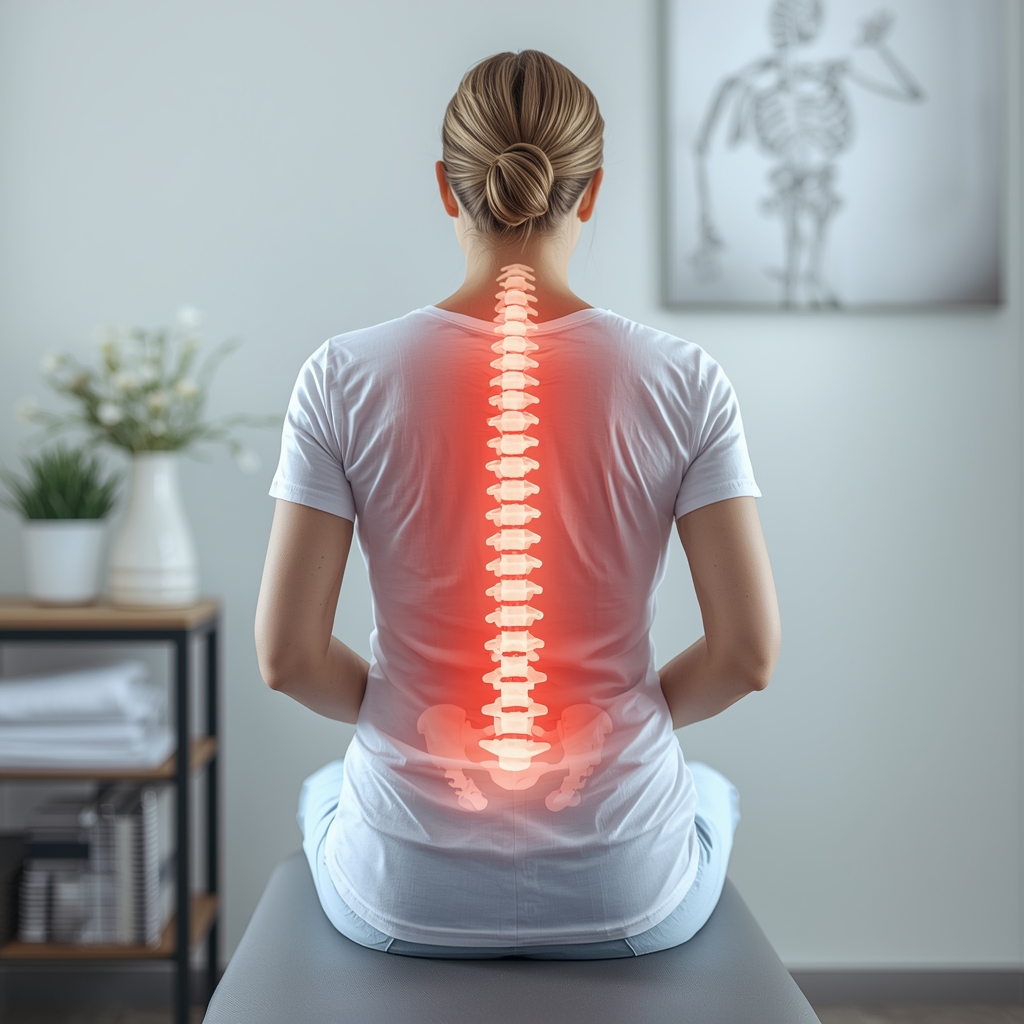
The Lumbar Spine's Role in Pelvic Stability
The lumbar spine, commonly known as the lower back, is a critical region where the spine transitions into the pelvis. Comprised of five vertebrae (L1-L5), this area acts as a bridge between the upper body and the hips, playing a key role in maintaining balance and stability. The lumbar spine supports the weight of the torso and transfers forces from the upper body to the pelvis and legs. Its structure includes intervertebral discs that absorb shock and facet joints that allow controlled movement. The pelvis, in turn, connects to the lumbar spine via the sacroiliac joints, forming a stable base for the body. Together, these structures ensure proper alignment, enabling movements like bending, twisting, and standing. When the lumbar spine functions optimally, it helps distribute mechanical stress evenly, reducing strain on surrounding muscles and ligaments. Understanding this connection is essential for recognizing how disruptions in the lumbar region can affect overall body mechanics and contribute to pain or instability.
How Misalignments Affect Pelvic Stability
Misalignments in the lumbar spine, often referred to as subluxations, can disrupt the delicate balance between the spine and pelvis. These imbalances may arise from poor posture, injury, repetitive strain, or muscular weakness. When the vertebrae shift out of their natural position, they can compress nerves, alter joint mechanics, and create uneven pressure on the sacroiliac joints. This can lead to instability, pain, or restricted movement in the pelvis. For example, an overly curved lumbar spine (hyperlordosis) or flattened curve (hypolordosis) may throw the pelvis out of alignment, causing discomfort and affecting gait. Additionally, misaligned vertebrae can irritate surrounding muscles and ligaments, leading to chronic tension. Over time, these issues may contribute to conditions like sacroiliac joint dysfunction or lower back pain. Recognizing the link between lumbar health and pelvic stability underscores the importance of addressing spinal alignment to prevent or alleviate related symptoms.
Chiropractic Adjustments and Realignment
Chiropractic adjustments are a targeted approach to restoring proper alignment in the lumbar spine and pelvis. These manual techniques involve applying controlled force to specific joints to correct misalignments and improve function. By realigning the vertebrae, adjustments help reduce pressure on nerves, muscles, and ligaments, promoting better communication between the spine and the rest of the body. For the pelvis, this can mean restoring the natural curve of the lumbar spine and ensuring the sacroiliac joints move efficiently. Adjustments may also address imbalances in surrounding musculature, such as tightness in the hip flexors or weakness in the core. The goal is to create a stable foundation for movement while alleviating pain and discomfort. While adjustments are not a cure-all, many patients report improved mobility and reduced symptoms after consistent care. A chiropractor can evaluate individual needs and design a plan to address specific concerns related to spinal and pelvic health.
Restoring Nerve Function and Mobility
The lumbar spine is closely linked to the nervous system, as it houses and protects the lower spinal nerves that extend into the pelvis and legs. When misalignments occur, they can interfere with nerve signals, leading to issues like numbness, tingling, or muscle weakness. Chiropractic adjustments aim to relieve this pressure, allowing nerves to function more efficiently. By improving spinal alignment, adjustments can enhance the body’s ability to send and receive signals, which is crucial for maintaining balance and coordination. Additionally, restoring proper joint mobility in the lumbar region helps the pelvis move more freely, reducing stiffness and improving range of motion. This can be particularly beneficial for individuals with conditions like sciatica or lower back pain, where nerve irritation is a common factor. The improved mobility also supports the surrounding muscles, preventing compensatory patterns that may worsen instability. Overall, focusing on nerve health and joint function is a key component of restoring pelvic stability through chiropractic care.
Supporting Muscles and Ligaments
The lumbar spine and pelvis rely on a network of muscles and ligaments to maintain stability. Key players include the erector spinae, multifidus, and core muscles, which provide dynamic support to the lower back. Ligaments like the iliolumbar and sacrospinous ligaments also play a role in anchoring the pelvis to the spine. When the lumbar spine is misaligned, these structures can become overworked or strained, leading to weakness or chronic tension. Chiropractic care addresses this by not only realigning the spine but also encouraging the body to rebalance its muscular and ligamentous support. Adjustments can reduce excessive strain on these tissues, allowing them to function more effectively. In some cases, complementary therapies like soft tissue work or corrective exercises may be recommended to strengthen weak muscles or stretch tight ones. By addressing both structural and muscular imbalances, chiropractors help create a more resilient foundation for the pelvis, reducing the risk of future instability or pain.
Long-Term Benefits and Maintenance
Maintaining a stable lumbar spine and pelvis is essential for overall mobility and quality of life. Regular chiropractic care can help sustain proper alignment, preventing the recurrence of misalignments that may lead to pain or dysfunction. This is particularly important for individuals with sedentary lifestyles, repetitive movements, or previous injuries that may compromise spinal health. Beyond immediate relief, consistent adjustments can support long-term nerve function, muscle balance, and joint mobility. Patients often find that ongoing care reduces the need for pain medications or invasive treatments, promoting a more natural healing process. Additionally, chiropractors may offer guidance on posture, exercise, and ergonomics to reinforce spinal stability in daily activities. While adjustments are a valuable tool, they work best when combined with self-care practices that support the body’s innate ability to heal. By prioritizing spinal health, individuals can enjoy greater flexibility, reduced discomfort, and a stronger foundation for movement and activity.














