
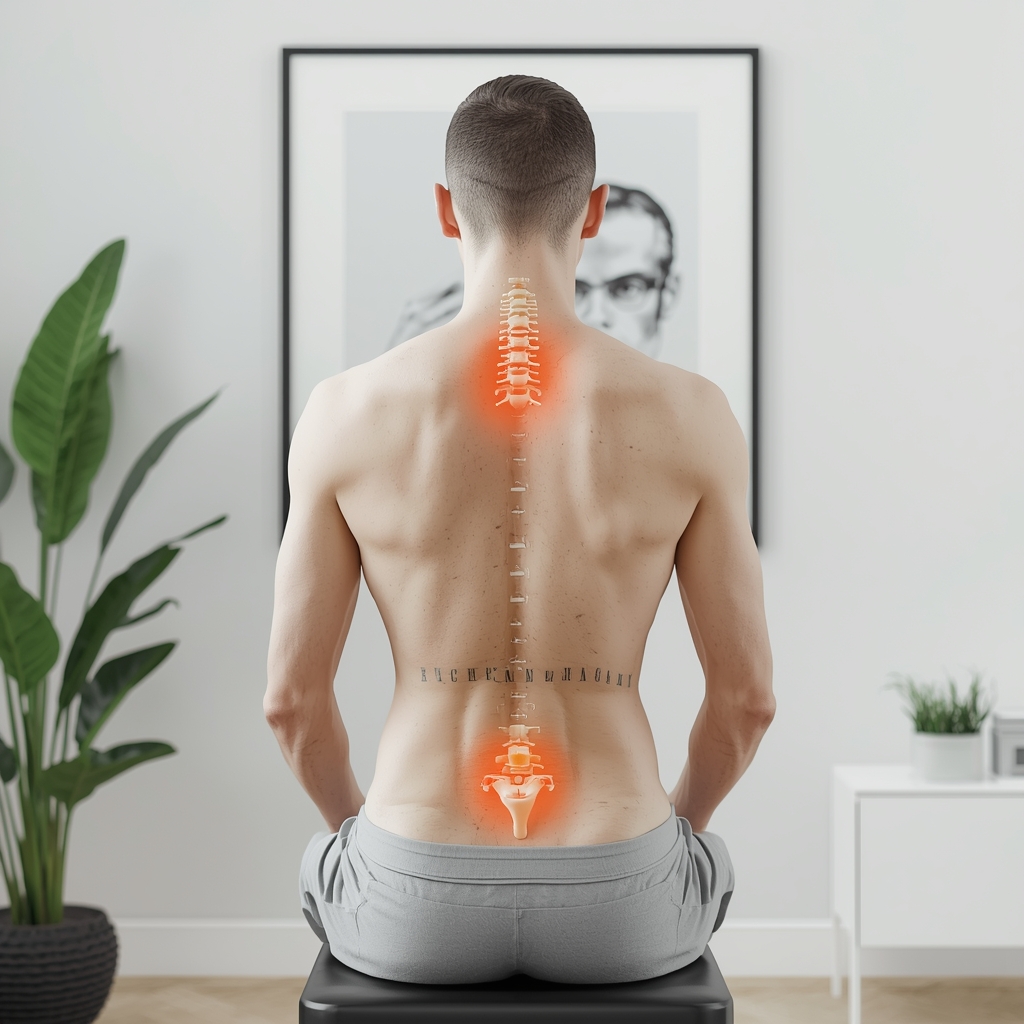
The Role of Lumbar Spine Curvature in Postural Stability
The lumbar spine, or lower back, has a natural inward curve known as lordosis. This curvature plays a critical role in maintaining balance and distributing mechanical stress across the body. When the lumbar spine functions optimally, it supports upright posture by aligning the pelvis, hips, and upper body. However, deviations from this normal curve—such as excessive flattening or exaggeration—can disrupt this balance. For example, a flattened lumbar spine (hypolordosis) may cause the pelvis to tilt forward, altering weight distribution and increasing strain on the lower back muscles. Conversely, an exaggerated curve (hyperlordosis) can shift the center of gravity backward, leading to compensatory postures in the hips and shoulders. These imbalances often contribute to chronic pain, reduced mobility, and an increased risk of falls. Understanding how the lumbar spine’s curvature interacts with overall posture is essential for addressing stability issues effectively.
How Imbalances in Spinal Curvature Affect Stability
Imbalances in the lumbar spine’s curvature can create a cascade of postural disruptions. For instance, a forward-tilted pelvis due to hypolordosis may cause the hips to rotate outward, leading to knee and ankle misalignment. This chain reaction can compromise the body’s ability to maintain equilibrium, especially during movement or prolonged standing. Similarly, hyperlordosis can strain the lumbar discs and facet joints, reducing their capacity to absorb shock. Over time, these issues may lead to muscle fatigue, joint stiffness, and compensatory patterns in other areas of the body, such as the neck and shoulders. Poor posture from spinal imbalances also affects the nervous system, as altered biomechanics can interfere with nerve signals between the brain and muscles. This disruption may further impair proprioception—the body’s ability to sense its position in space—making it harder to adjust to changes in terrain or movement. Addressing these imbalances is key to restoring functional stability and preventing long-term complications.
Chiropractic Assessment of Spinal Imbalances
Chiropractors begin by evaluating the lumbar spine’s curvature through a combination of physical examination and patient history. This includes assessing posture, range of motion, and muscle strength to identify deviations from the normal lordotic curve. Palpation techniques help detect areas of restricted movement or tenderness, while gait analysis observes how spinal imbalances affect walking patterns. In some cases, imaging such as X-rays may be used to visualize the spine’s structure and confirm the extent of curvature abnormalities. However, chiropractors prioritize functional assessments, focusing on how the spine interacts with surrounding muscles, joints, and the nervous system. This holistic approach allows them to pinpoint the root causes of postural instability, such as muscle weakness, joint dysfunction, or compensatory habits. By understanding the unique biomechanics of each patient, chiropractors can develop personalized strategies to restore balance and improve overall stability.
Chiropractic Adjustments to Correct Lumbar Imbalances
Spinal adjustments are a cornerstone of chiropractic care for correcting lumbar imbalances. These manual techniques involve applying controlled force to specific joints to restore proper alignment and mobility. For example, a chiropractor may use a high-velocity, low-amplitude thrust to realign the lumbar vertebrae, reducing pressure on nerves and improving joint function. Adjustments can also address restricted movement in the sacroiliac joints, which often contribute to postural instability. By restoring the natural lordotic curve, these interventions help distribute weight more evenly across the spine, alleviating strain on muscles and discs. Additionally, adjustments may stimulate proprioceptive feedback, enhancing the body’s ability to maintain balance. While adjustments are typically safe and effective, their success depends on accurate diagnosis and tailored execution. Patients are often encouraged to combine adjustments with exercises to reinforce postural improvements and prevent future imbalances.
Supportive Techniques and Patient Education
Chiropractic care often incorporates complementary techniques to enhance the effects of spinal adjustments. Soft tissue therapies, such as myofascial release, can alleviate muscle tension that contributes to postural imbalances. Corrective exercises, like core strengthening or flexibility routines, help stabilize the lumbar spine and improve overall posture. Chiropractors may also recommend ergonomic adjustments for daily activities, such as sitting or lifting, to reduce strain on the lower back. Patient education is equally vital, as understanding the connection between posture and spinal health empowers individuals to make informed lifestyle choices. For instance, learning proper lifting techniques or recognizing early signs of imbalance can prevent worsening conditions. By combining hands-on care with education and lifestyle guidance, chiropractors address both the symptoms and underlying causes of postural instability, fostering long-term wellness.
Long-Term Benefits of Addressing Spinal Imbalances
Correcting lumbar spine imbalances through chiropractic care can yield lasting improvements in postural stability and overall function. By restoring the natural curvature of the lower back, patients often experience reduced pain, improved mobility, and enhanced athletic performance. These benefits extend beyond the spine, as balanced posture supports efficient breathing, digestion, and nerve function. Regular chiropractic maintenance can also prevent the recurrence of imbalances, especially for individuals with sedentary lifestyles or repetitive physical demands. Moreover, addressing postural issues early may reduce the risk of secondary complications, such as hip or knee pain, that stem from compensatory patterns. While results vary based on individual factors, many patients report greater confidence in their movements and a heightened awareness of their body’s alignment. Ultimately, chiropractic care offers a proactive approach to maintaining spinal health, enabling individuals to move with greater ease and resilience over time.















