
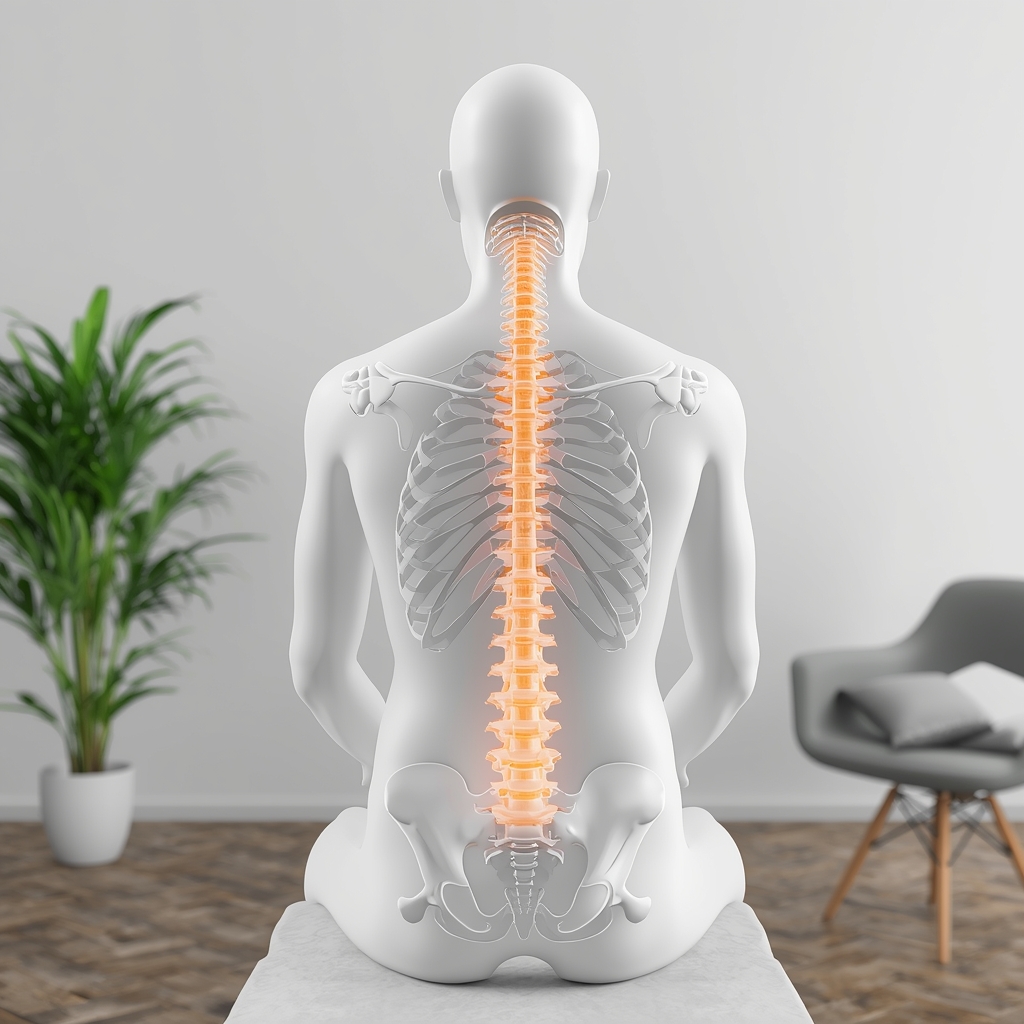
The Spinal Column's Role in Posture
The spinal column serves as the body's central support structure, consisting of 24 movable vertebrae, the sacrum, and the coccyx. These bones are separated by intervertebral discs that absorb shock and allow flexibility. The spine naturally curves in the cervical (neck), thoracic (upper back), and lumbar (lower back) regions, creating an S-shaped alignment that distributes weight evenly. These curves are essential for maintaining balance and posture. When the spine is properly aligned, it supports efficient movement and reduces strain on muscles and joints. However, deviations from this natural curvature—such as excessive rounding or arching—can disrupt posture, leading to discomfort and functional limitations. Understanding this structural foundation is key to recognizing how spinal health directly impacts overall posture and bodily mechanics.
How Misalignments Affect Posture
Misalignments, or subluxations, occur when vertebrae shift out of their normal position, altering the spine’s natural curves. These disruptions can lead to postural imbalances, such as forward head posture, rounded shoulders, or an exaggerated lumbar curve. Such changes place uneven stress on muscles, ligaments, and nerves, potentially causing pain, reduced mobility, and chronic issues. For example, a misaligned cervical spine may pull the head forward, increasing strain on the neck and upper back. Similarly, an imbalanced lumbar spine can create lower back pain and affect gait. Over time, these postural deviations may lead to compensatory patterns that exacerbate the problem. Addressing misalignments through professional care helps restore the spine’s optimal structure, promoting better posture and reducing related discomfort.
Common Postural Issues Linked to Spinal Misalignment
Several postural issues stem from spinal misalignments, including kyphosis (excessive upper back rounding), lordosis (inward lower back curve), and scoliosis (sideways spinal curvature). Kyphosis often results from weakened upper back muscles and poor posture, while lordosis may develop due to tight hip flexors or weak core muscles. Scoliosis, a structural deviation, can cause one shoulder or hip to appear higher than the other. These conditions not only affect appearance but also impact breathing, digestion, and nerve function. For instance, scoliosis may compress nerves, leading to radiating pain or numbness. Addressing these issues requires a holistic approach, as postural problems often involve multiple systems. Chiropractic care focuses on realigning the spine to alleviate pressure, improve function, and support long-term postural health.
Chiropractic Adjustments for Postural Correction
Chiropractic adjustments are manual techniques designed to realign the spine and restore proper function. By applying controlled force to specific vertebrae, chiropractors aim to correct misalignments that contribute to postural issues. These adjustments can reduce nerve interference, relieve muscle tension, and improve joint mobility. For example, a chiropractor might address forward head posture by gently repositioning the cervical vertebrae. The process is tailored to each patient’s needs, considering their unique spinal structure and symptoms. While adjustments are not a quick fix, they can gradually rebalance the body’s alignment over time. It’s important to note that chiropractic care is most effective when combined with lifestyle changes, such as ergonomic adjustments and targeted exercises. Always consult a licensed chiropractor to determine the best approach for your specific condition.
Techniques Used in Posture-Correcting Adjustments
Chiropractors employ various techniques to address postural misalignments, each suited to different patient needs. The Diversified technique uses manual thrusts to adjust vertebrae, while the Activator method relies on a handheld instrument for gentle, precise adjustments. The Gonstead technique focuses on analyzing and correcting misalignments through detailed X-ray assessments. Soft tissue therapies, such as myofascial release, may also be used to alleviate muscle tension contributing to poor posture. Additionally, corrective exercises and ergonomic recommendations often complement adjustments to reinforce long-term improvements. These methods work together to restore spinal balance, reduce pain, and enhance overall function. The choice of technique depends on factors like the severity of the misalignment, patient comfort, and treatment goals. A qualified chiropractor will develop a personalized plan to address your specific postural challenges.
The Importance of Regular Chiropractic Care for Posture
Regular chiropractic care plays a vital role in maintaining proper posture and preventing recurring misalignments. Spinal adjustments help sustain the spine’s natural curves, reducing the risk of postural deviations caused by daily activities, poor ergonomics, or aging. Consistent care can also address subtle shifts that may go unnoticed until they cause discomfort. For individuals with chronic posture-related issues, ongoing adjustments may be necessary to support long-term stability. Beyond physical benefits, chiropractic care can enhance body awareness, encouraging healthier movement patterns. It’s important to view chiropractic maintenance as part of a broader wellness strategy, alongside exercise, proper nutrition, and stress management. By prioritizing spinal health, patients can enjoy improved posture, reduced pain, and better overall quality of life. Always discuss a care plan with a licensed chiropractor to ensure it aligns with your individual needs.













