
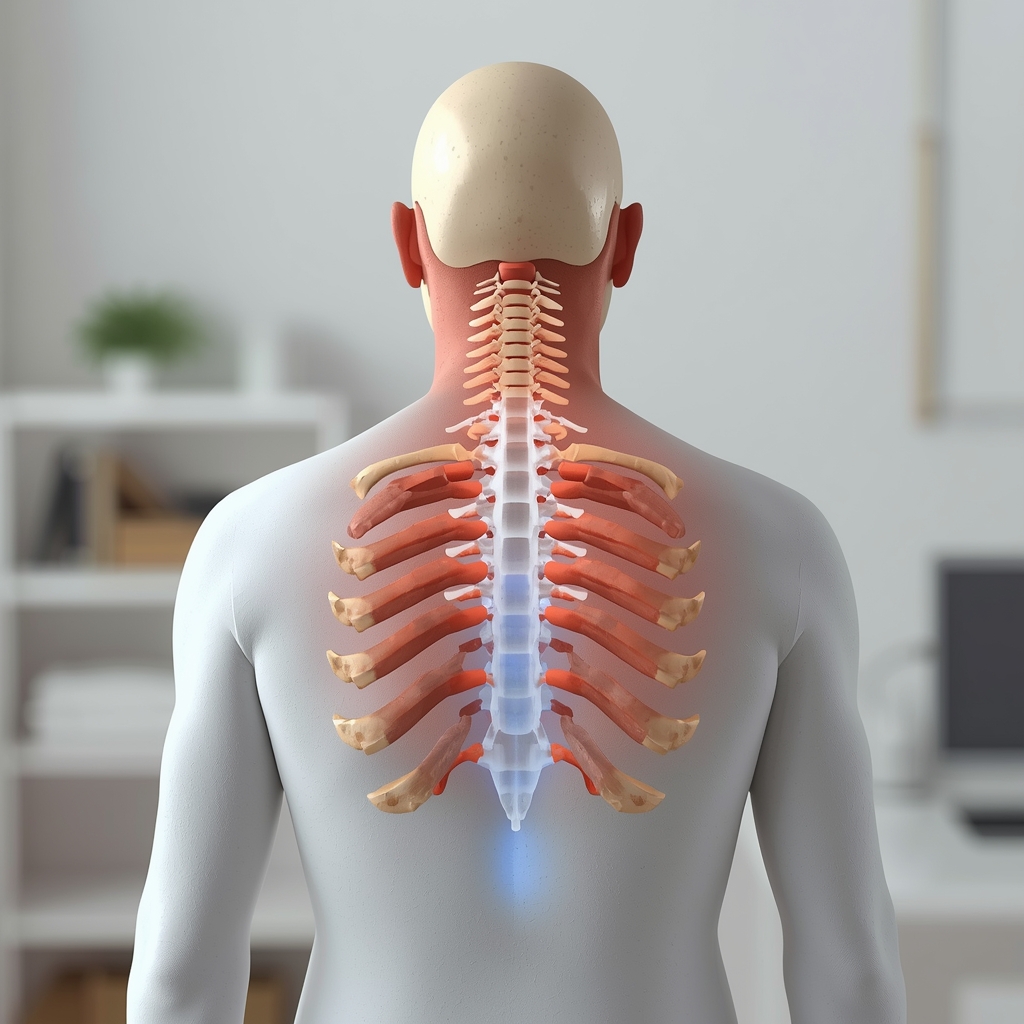
The Thoracic Spine and Its Role
The thoracic spine, located in the upper and middle back, consists of 12 vertebrae that form the posterior wall of the thoracic cavity. It connects to the rib cage, providing structural support and protecting vital organs like the heart and lungs. This region also houses spinal nerves that relay signals between the brain and the body. While less mobile than the cervical or lumbar spine, the thoracic spine plays a critical role in posture, breathing mechanics, and overall spinal stability. Misalignments here can disrupt these functions, leading to pain, restricted movement, or neurological symptoms. Understanding its anatomy helps clarify how adjustments and therapies target specific issues in this complex area.
Key Structures Affected by Misalignments
Thoracic spine misalignments primarily impact the thoracic vertebrae, rib cage, intercostal muscles, and spinal nerves. The 12 thoracic vertebrae, each connected to a pair of ribs, form a rigid structure that limits movement but provides protection. Misalignments can compress or irritate the intercostal nerves, causing pain between the ribs or referred discomfort. The rib cage itself may become dysfunctional, affecting breathing and posture. Additionally, the surrounding muscles, such as the erector spinae and rhomboids, can develop tension or weakness. These structures work together, so imbalances in one area often ripple through the entire system, highlighting the need for targeted correction.
Impact on Surrounding Systems
Misalignments in the thoracic spine can disrupt the nervous system, leading to altered sensation, muscle weakness, or pain in the chest, shoulders, or arms. The intercostal nerves, which run between the ribs, may become irritated, causing discomfort or reduced mobility. The rib cage’s alignment affects the diaphragm’s movement, potentially impairing breathing efficiency. Cardiovascular function may also be impacted, as the thoracic spine influences the autonomic nervous system. Chronic misalignments can contribute to postural imbalances, increasing strain on the cervical and lumbar regions. These interconnected effects underscore the importance of addressing thoracic spine health to maintain overall bodily function and prevent secondary complications.
Correction Techniques for Thoracic Misalignments
Chiropractors use various methods to correct thoracic spine misalignments, starting with spinal adjustments to realign vertebrae and restore proper motion. These manual techniques aim to reduce nerve irritation and improve joint function. Soft tissue therapies, such as myofascial release or Active Release Technique (ART), address tightness in the intercostal muscles and surrounding connective tissue. Postural retraining and corrective exercises may also be recommended to strengthen weakened muscles and improve alignment. In some cases, adjunctive therapies like cold laser or ultrasound might be used to reduce inflammation. Each approach is tailored to the individual’s needs, emphasizing non-invasive, patient-centered care to alleviate symptoms and promote long-term spinal health.
The Role of Chiropractic Care in Correction
Chiropractors assess thoracic spine misalignments through physical exams, patient history, and imaging if necessary. They identify restricted joints, muscle imbalances, or nerve compression to develop a treatment plan. Spinal adjustments are the cornerstone of care, using precise, controlled forces to restore mobility. Soft tissue work complements this by addressing muscle tension that may contribute to or result from misalignments. Chiropractors also educate patients on posture, ergonomics, and exercises to support correction. By combining hands-on techniques with patient education, they aim to relieve symptoms, prevent recurrence, and enhance overall spinal function. Regular follow-ups ensure adjustments remain effective as the body adapts over time.
Long-Term Management and Prevention
Maintaining thoracic spine health requires ongoing care and lifestyle adjustments. Regular chiropractic check-ups help monitor alignment and address minor issues before they worsen. Strengthening exercises for the core, upper back, and posture muscles can stabilize the thoracic region and reduce strain. Ergonomic modifications, such as proper desk setup or lifting techniques, minimize stress on the spine. Patients are often advised to avoid prolonged static positions and incorporate movement breaks. For those with chronic conditions, a multidisciplinary approach involving physical therapy or massage may be beneficial. By prioritizing preventive strategies, individuals can reduce the risk of misalignments and enjoy better mobility, posture, and overall well-being.














