
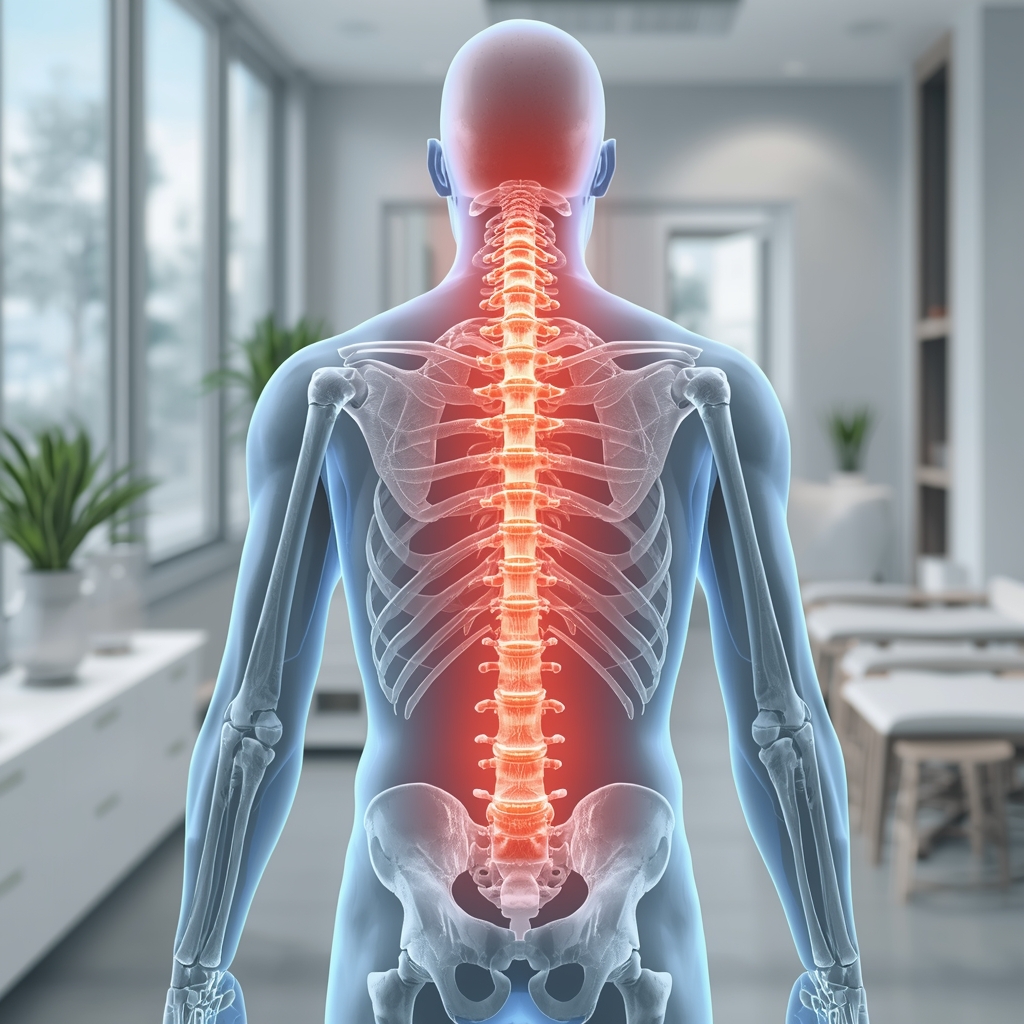
The Lumbar Spine and Its Role in Nervous System Function
The lumbar spine, comprising the five largest vertebrae (L1-L5), serves as a critical support structure for the lower body while protecting the spinal cord and nerve roots. These vertebrae are separated by intervertebral discs, which act as shock absorbers and allow for flexibility. The lumbar region also houses the lumbosacral plexus, a network of nerves that innervates the lower extremities. Proper alignment of the lumbar spine ensures optimal nerve signaling between the brain and the legs, hips, and pelvic organs. Misalignment, however, can disrupt this communication, leading to pain, dysfunction, or altered sensation in affected areas. Understanding the anatomical relationships in this region is essential for recognizing how spinal health impacts overall nervous system performance.
Common Anatomical Structures Affected by Lumbar Misalignment
Lumbar spine misalignment most frequently affects intervertebral discs, facet joints, and spinal nerve roots. Discs can herniate or bulge when vertebrae shift out of place, pressing on nearby nerves. Facet joints, which connect adjacent vertebrae, may become inflamed or restricted, causing localized pain and reduced mobility. The spinal nerve roots, exiting the spine through intervertebral foramina, are particularly vulnerable. When misalignment narrows these spaces, nerves can become compressed or irritated, leading to symptoms like radiating pain, numbness, or muscle weakness. The sacrum, the triangular bone at the base of the spine, is also impacted, as misalignment here can alter pelvic mechanics and affect nerves serving the pelvic region. These structures work together, so dysfunction in one area often cascades into broader issues.
Impact of Misalignment on Nerve Compression and Irritation
Misalignment in the lumbar spine can directly compress or irritate spinal nerves, disrupting their ability to transmit signals. For example, a herniated disc might press on the sciatic nerve, causing sciatica—a condition marked by sharp, shooting pain down the leg. Similarly, narrowed spinal canals (lumbar spinal stenosis) can compress nerve bundles, leading to discomfort, tingling, or difficulty walking. Facet joint dysfunction may also contribute to nerve irritation by altering the spine’s natural curvature and increasing mechanical stress on surrounding tissues. These disruptions can impair proprioception (body awareness) and affect muscle control, potentially leading to balance issues or compensatory movement patterns. Chronic nerve compression may even result in long-term changes in nerve function, emphasizing the importance of early intervention.
Neurological Consequences of Altered Spinal Mechanics
When the lumbar spine is misaligned, the resulting mechanical stress can trigger a cascade of neurological effects. Nerve roots exiting the spine may experience reduced blood flow or increased inflammation, impairing their ability to function properly. This can lead to symptoms such as muscle atrophy, reflex changes, or altered sensation in the lower body. The autonomic nervous system, which regulates involuntary functions like digestion and bladder control, may also be affected if nerves in the lumbar region are compromised. For instance, misalignment near the L2-L4 vertebrae could influence pelvic organ function. Additionally, chronic nerve irritation may contribute to central sensitization, where the nervous system becomes hyper-responsive to pain signals. These consequences highlight the interconnected nature of spinal health and overall neurological well-being.
How Spinal Adjustments May Restore Nerve Function
Chiropractic adjustments aim to realign the lumbar spine, reducing pressure on nerves and restoring proper biomechanics. By gently manipulating the vertebrae, a chiropractor can alleviate disc herniation, improve facet joint mobility, and widen spaces where nerves exit the spine. This can decrease nerve compression, enhance blood flow, and reduce inflammation, potentially alleviating symptoms like pain or numbness. Adjustments may also stimulate proprioceptive feedback, helping the nervous system recalibrate movement patterns. While individual results vary, many patients report improved nerve function and reduced discomfort after targeted spinal care. However, it’s important to note that adjustments should be performed by a qualified professional, as improper techniques could worsen existing issues. A chiropractor can assess the specific cause of misalignment and recommend appropriate interventions.
Importance of Professional Evaluation for Lumbar Spine Health
Given the complexity of the lumbar spine and its close relationship with the nervous system, any persistent pain, numbness, or mobility issues should be evaluated by a healthcare provider. A chiropractor can perform a thorough examination, including posture analysis, range-of-motion tests, and neurological assessments, to identify the root cause of symptoms. Imaging studies like X-rays or MRIs may be used to visualize structural abnormalities. Early detection and intervention are crucial for preventing long-term nerve damage or chronic conditions. While self-care strategies like stretching or ergonomic adjustments may offer temporary relief, they cannot address underlying misalignments. A personalized care plan from a licensed chiropractor can help restore balance to the spine and support optimal nerve function, improving overall quality of life.













