
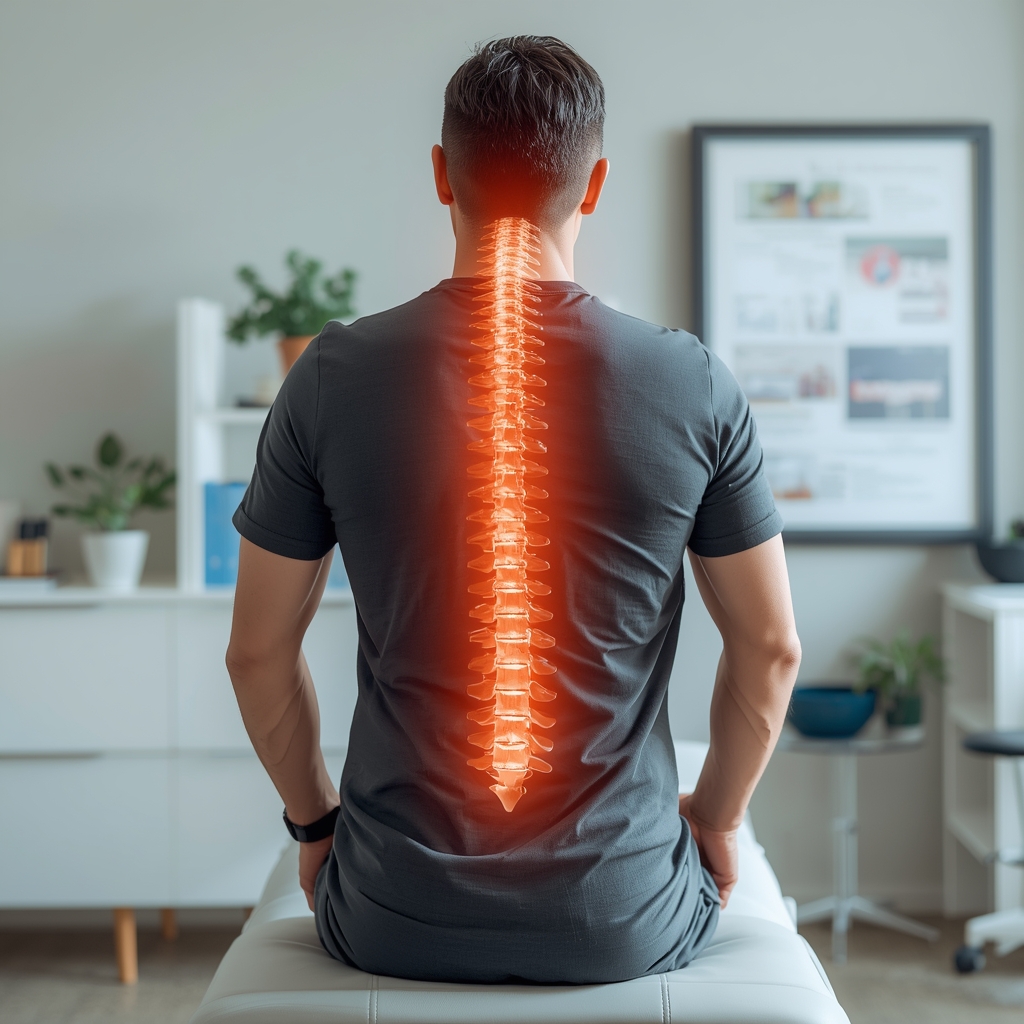
The Role of Lumbar Spine Curvature in Spinal Health
The lumbar spine's natural inward curve, known as lordosis, plays a critical role in maintaining spinal stability and distributing mechanical stress. This curvature helps absorb shock from daily activities, supports the weight of the upper body, and facilitates proper posture. When the lumbar spine maintains its ideal alignment, it promotes efficient movement and reduces strain on surrounding muscles and ligaments. However, deviations from this natural curve—such as excessive flattening or exaggeration—can disrupt these functions, leading to discomfort or long-term structural issues. Understanding this balance is essential for recognizing how spinal health is deeply tied to the lumbar region's integrity.
How Poor Posture and Injury Disrupt the Lumbar Curve
Chronic poor posture, such as slouching or prolonged sitting, can gradually flatten the lumbar spine's natural curve, placing undue pressure on discs and nerves. Similarly, injuries like falls or accidents may alter spinal alignment, compromising the lumbar region's ability to function properly. These changes often lead to muscle imbalances, reduced flexibility, and increased risk of pain. Over time, the spine may adapt to these misalignments, creating a cycle of discomfort that affects mobility and overall well-being. Addressing these disruptions early is key to preserving spinal health and preventing further complications.
Consequences of Altered Lumbar Spine Alignment
When the lumbar spine loses its natural curvature, it can lead to a range of issues, including lower back pain, nerve compression, and reduced range of motion. A flattened curve may cause the discs to bear uneven pressure, potentially leading to herniation or degeneration. Conversely, an exaggerated curve can strain the surrounding muscles and ligaments, contributing to chronic discomfort. These imbalances often manifest as localized pain, radiating symptoms, or difficulty performing everyday tasks. Recognizing the signs of misalignment is crucial for seeking timely intervention and restoring optimal spinal function.
Chiropractic Techniques for Restoring Natural Lumbar Curvature
Chiropractic care offers targeted approaches to address lumbar spine misalignments. Spinal adjustments, a core technique, involve manual or instrument-assisted movements to realign vertebrae and restore the spine's natural curvature. These adjustments aim to relieve pressure on nerves, improve joint mobility, and enhance overall spinal function. Additionally, techniques like flexion-distraction therapy may be used to gently decompress the lumbar region, reducing pain and promoting healing. By focusing on the root causes of misalignment, chiropractors help patients regain balance and support long-term spinal health.
Integrating Corrective Exercises and Lifestyle Changes
Beyond adjustments, chiropractors often recommend corrective exercises to reinforce spinal alignment and strengthen supporting muscles. Core-strengthening routines, such as pelvic tilts or bird-dog exercises, can help stabilize the lumbar region and improve posture. Ergonomic modifications, like adjusting desk setups or using supportive chairs, also play a role in maintaining proper alignment. Patients may be advised to avoid prolonged static positions and incorporate regular movement to prevent stiffness. Combining these strategies with chiropractic care creates a holistic approach to restoring and preserving the lumbar spine's natural curvature.
When to Seek Professional Evaluation
If you experience persistent lower back pain, stiffness, or changes in mobility, consulting a chiropractor is a proactive step toward addressing potential lumbar spine issues. A qualified provider can assess your spinal alignment, identify underlying factors, and develop a personalized care plan. While general recommendations exist, individualized evaluations ensure safe and effective interventions. Chiropractic care, when tailored to your specific needs, can help restore the lumbar spine's natural curvature and support long-term spinal health. Always discuss treatment options with a licensed professional to determine the best path forward.














