
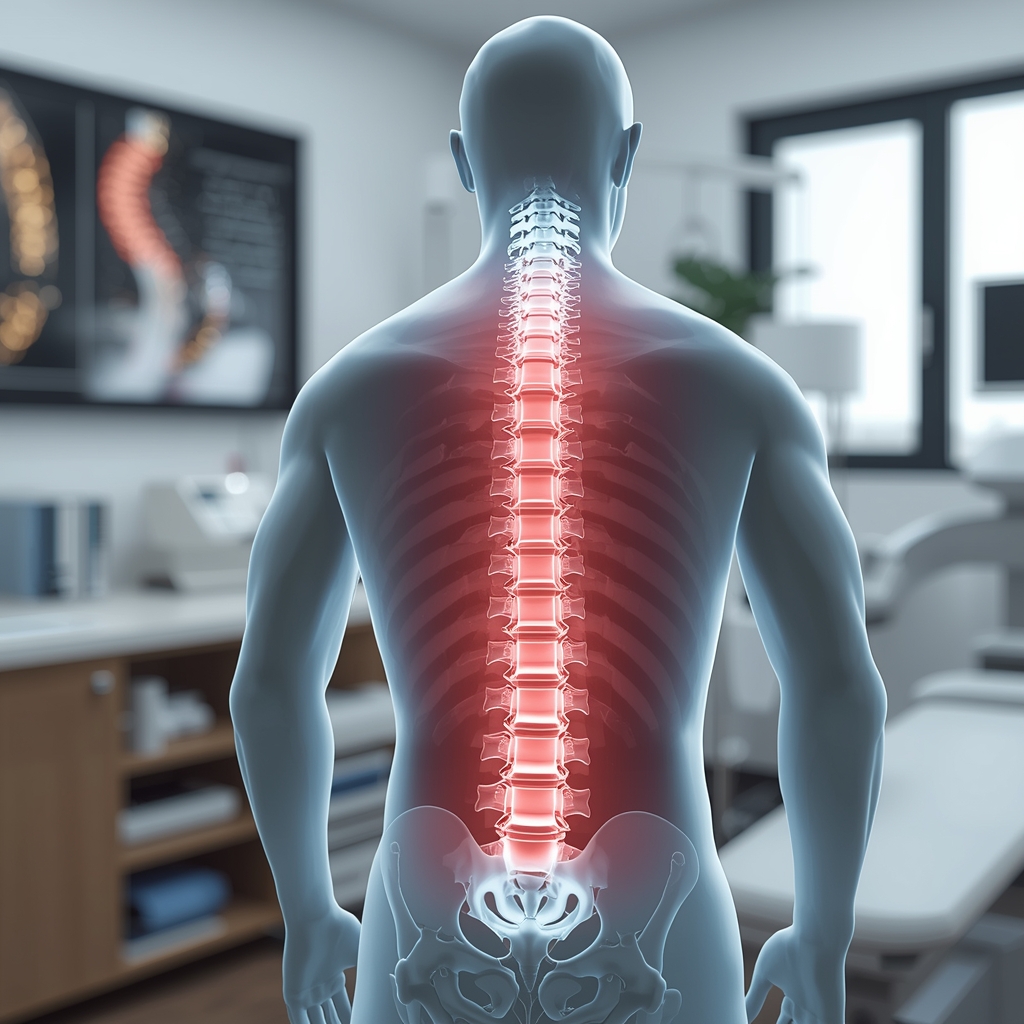
What Role Does Chiropractic Care Play in Preventing Further Degeneration of Spinal Discs in Patients with Early-Stage Degeneration?
## Understanding Early-Stage Spinal Disc Degeneration
Early-stage spinal disc degeneration involves gradual wear and tear of the intervertebral discs, which act as shock absorbers between the vertebrae. While this process is often age-related, factors like poor posture, repetitive strain, or injury can accelerate it. Left unaddressed, it may lead to chronic pain, reduced mobility, and nerve compression. Preventing further deterioration is critical, as advanced degeneration can limit treatment options. Chiropractic care focuses on maintaining spinal health through non-invasive methods, aiming to slow or halt this progression. By addressing biomechanical imbalances, chiropractors may help preserve disc integrity and support overall spinal function.
## How Chiropractic Care Supports Spinal Alignment
Chiropractic adjustments aim to correct spinal misalignments, or subluxations, which can contribute to disc degeneration. Proper alignment reduces abnormal pressure on discs, promoting even weight distribution and minimizing wear. Regular adjustments may also enhance joint mobility and nerve function, which are essential for maintaining disc health. By restoring balance to the musculoskeletal system, chiropractors help create an environment where discs can function optimally. This approach is particularly valuable in early stages, when interventions can have the most significant impact. However, results vary, and care should be tailored to individual needs under professional guidance.
## Non-Invasive Strategies for Disc Preservation
Chiropractic care emphasizes non-surgical, drug-free methods to support disc health. Techniques like spinal manipulation, soft tissue therapy, and rehabilitative exercises can reduce inflammation, improve circulation, and strengthen surrounding muscles. These strategies may alleviate stress on discs, slowing their deterioration. Chiropractors often combine adjustments with lifestyle recommendations, such as ergonomic modifications or posture correction, to address root causes of degeneration. While not a cure, these approaches focus on maintaining mobility and preventing further damage. Patients should discuss their specific condition with a chiropractor to determine the most appropriate plan.
## The Role of Lifestyle and Activity in Disc Health
Lifestyle factors play a significant role in spinal disc degeneration. Prolonged sitting, lack of movement, and poor lifting techniques can exacerbate disc wear. Chiropractors often guide patients in adopting habits that reduce spinal strain, such as regular stretching, core strengthening, and proper body mechanics. Physical activity, when tailored to individual capabilities, can enhance disc nutrition and flexibility. Chiropractors may also recommend avoiding high-impact activities that could accelerate degeneration. By integrating these practices, patients can complement chiropractic care and create a proactive approach to spinal health.
## Early Intervention and Long-Term Outcomes
Early intervention is key to managing spinal disc degeneration effectively. Chiropractic care at the first signs of disc issues can prevent minor problems from worsening. Regular checkups allow for monitoring of spinal changes and timely adjustments to treatment plans. This proactive stance may reduce the need for more invasive treatments later. However, outcomes depend on factors like the patient’s overall health, adherence to recommendations, and the severity of degeneration. Chiropractors work closely with patients to develop personalized strategies that prioritize long-term spinal stability and quality of life.
## Consulting a Chiropractor for Preventive Care
For individuals with early-stage disc degeneration, consulting a chiropractor can provide valuable insights into preventive measures. A qualified practitioner can assess spinal health, identify risk factors, and design a care plan tailored to the patient’s needs. This may include adjustments, therapeutic exercises, and lifestyle advice. While chiropractic care is not a substitute for medical treatment, it offers a complementary approach to support spinal function. Patients should seek care from licensed professionals and discuss their condition openly to ensure safe, effective management of disc health.













