
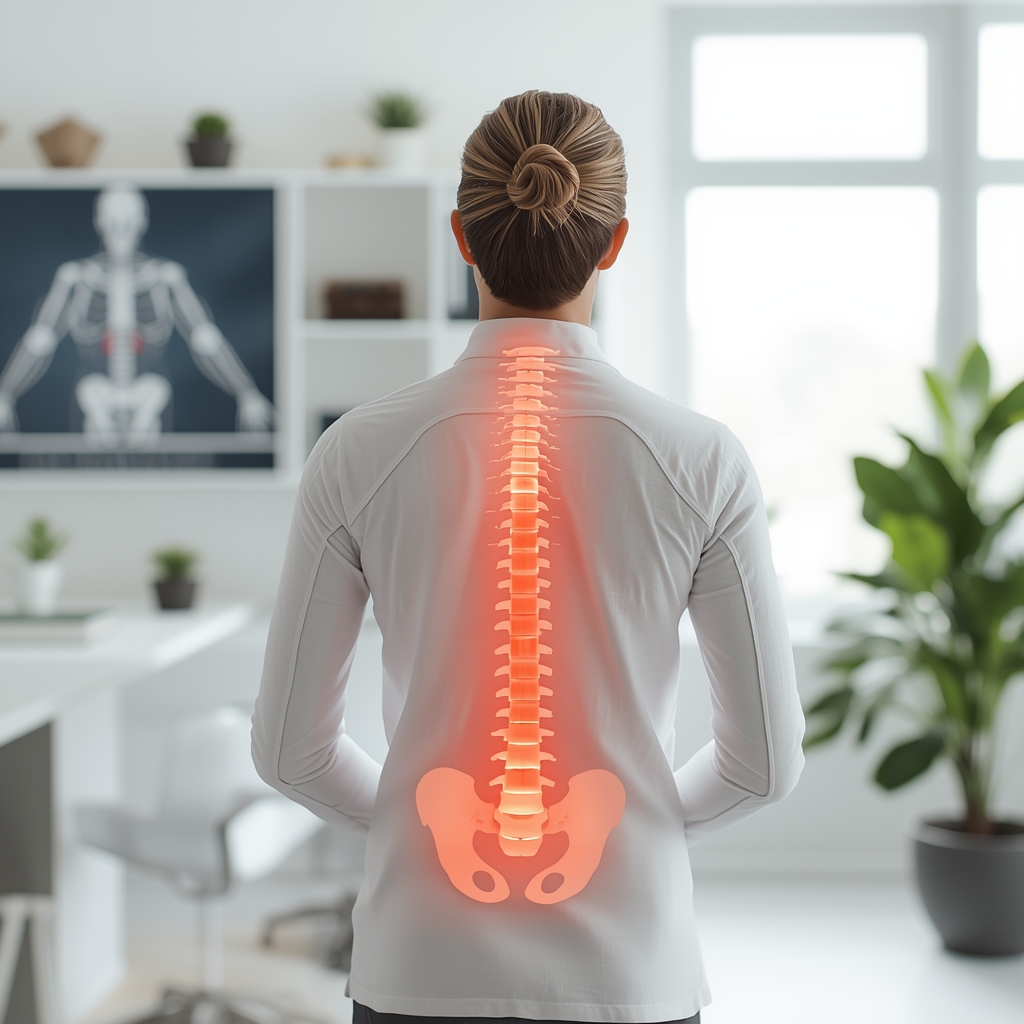
The Role of Anti-Inflammatory Diets in Managing Degenerative Disc Disease
Chronic inflammation contributes to the breakdown of spinal discs, making anti-inflammatory diets a valuable complement to chiropractic care. Foods rich in omega-3 fatty acids, such as fatty fish, flaxseeds, and walnuts, may help reduce systemic inflammation. Fruits and vegetables high in antioxidants, like berries and leafy greens, support tissue repair and overall spinal health. Conversely, processed foods, refined sugars, and trans fats can exacerbate inflammation. While no single diet guarantees outcomes, many patients find that prioritizing whole, nutrient-dense foods aligns with broader wellness goals. A chiropractor can help assess how dietary choices interact with individual health needs and treatment plans.
Hydration and Its Impact on Spinal Health
Proper hydration is essential for maintaining the elasticity and shock-absorbing properties of intervertebral discs. Water helps transport nutrients to disc tissues and remove waste products, supporting their structural integrity. Dehydration can lead to disc desiccation, worsening pain and mobility issues. While general guidelines suggest 8-10 glasses daily, individual needs vary based on activity level, climate, and health status. Herbal teas and water-rich foods like cucumbers or watermelon also contribute to hydration. Chiropractors often emphasize hydration as part of a holistic approach, encouraging patients to discuss personalized strategies with their care team.
Exercise and Physical Activity Recommendations
Regular, low-impact exercise strengthens the muscles supporting the spine, reducing stress on degenerating discs. Activities like swimming, walking, and yoga improve flexibility, posture, and circulation without excessive strain. Core-strengthening exercises, when performed correctly, stabilize the spine and may slow disc deterioration. However, high-impact or repetitive motions should be avoided. A chiropractor can guide patients in selecting safe, effective routines tailored to their condition. Combining physical activity with chiropractic adjustments often enhances mobility and reduces discomfort, though individualized assessment is critical.
Weight Management and Its Effect on Spinal Stress
Excess body weight, particularly around the abdomen, increases mechanical stress on spinal discs, accelerating degeneration. Maintaining a healthy weight through balanced nutrition and physical activity eases this burden. However, rapid weight loss or extreme diets can weaken muscles and compromise spinal support. A chiropractor may collaborate with nutritionists to develop sustainable weight management strategies that align with spinal health goals. Patients should avoid self-prescribing restrictive diets and instead seek professional guidance to ensure their approach supports both overall and musculoskeletal wellness.
Stress Reduction Techniques and Their Benefits
Chronic stress triggers physiological responses that can worsen inflammation and muscle tension, indirectly affecting disc health. Techniques like meditation, deep breathing, and progressive muscle relaxation may help manage stress levels. Mind-body practices such as tai chi or guided visualization also promote relaxation and improve sleep quality. While these methods do not directly alter disc degeneration, they contribute to overall well-being, which supports the body’s natural healing processes. Chiropractors often recommend stress management as part of a comprehensive care plan, emphasizing the mind-body connection in recovery.
The Importance of Sleep and Posture in Disc Health
Optimal sleep positions and ergonomic support are crucial for spinal alignment and disc recovery. Sleeping on the back with a supportive pillow or on the side with a pillow between the knees can reduce pressure on the spine. Poor posture during daily activities, such as sitting or lifting, exacerbates disc wear. Chiropractors may suggest ergonomic adjustments to workspaces or recommend posture correction exercises. Addressing sleep and posture habits complements manual therapies, but individualized advice from a healthcare provider is essential to avoid improper techniques that could worsen symptoms.















