
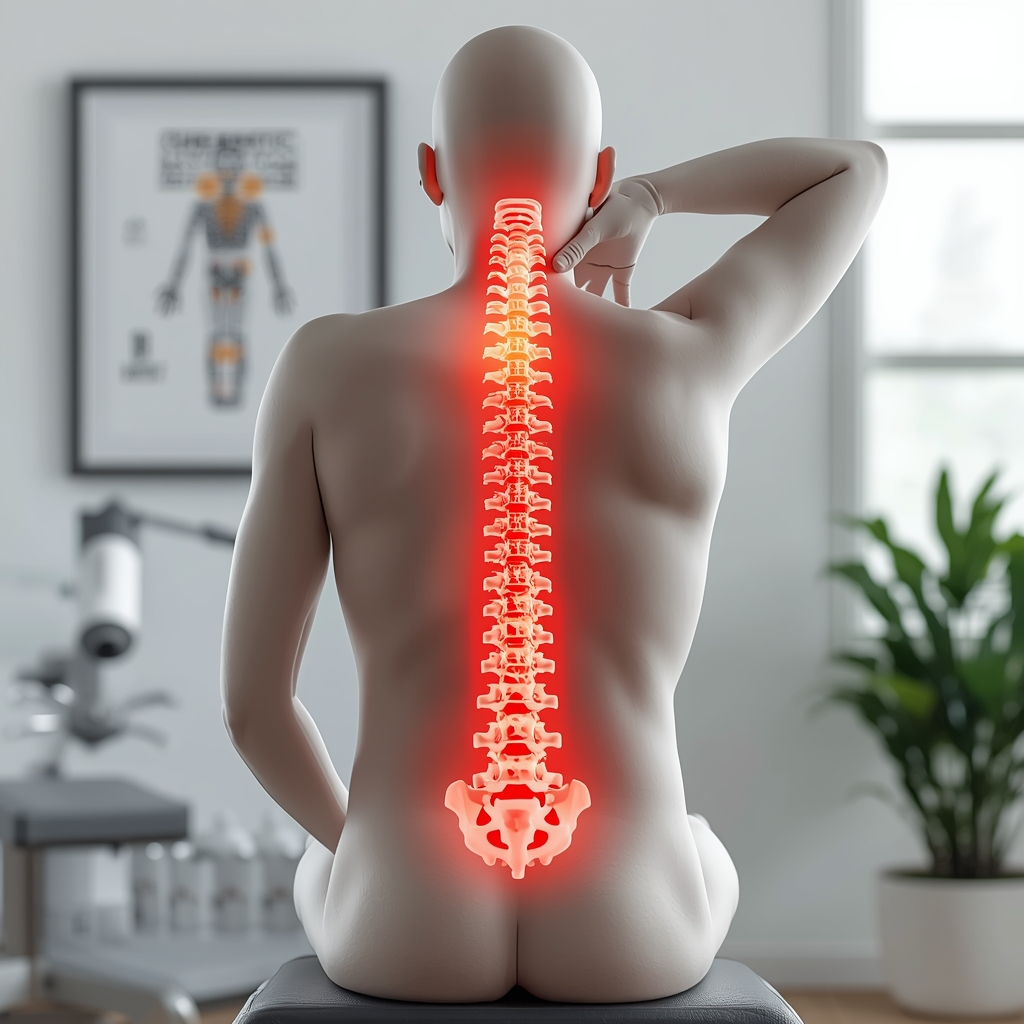
The Lumbar Spine's Role in Lower Back Pain
The lumbar spine, comprising five vertebrae (L1-L5), serves as the foundation of the spinal column, bearing significant mechanical stress from daily activities. Its structure includes intervertebral discs that act as shock absorbers, facet joints enabling movement, and a network of nerves transmitting signals between the lower body and brain. When misaligned or compromised, the lumbar spine can disrupt these functions, leading to lower back pain. For instance, disc degeneration or facet joint inflammation may irritate nerves, causing radiating discomfort. Understanding this anatomy helps explain why lumbar issues often manifest as localized pain or refer to other areas like the hips or legs. Proper spinal mechanics are crucial for maintaining stability and preventing chronic discomfort.
How Degenerative Disc Disease Impacts the Lumbar Spine
Degenerative disc disease (DDD) refers to the gradual breakdown of intervertebral discs, often due to aging, repetitive strain, or injury. In the lumbar region, this condition can reduce disc height, diminish cushioning, and lead to bone spurs or spinal stenosis. These changes may compress nerves or alter spinal alignment, contributing to persistent lower back pain. While DDD is a natural part of aging, factors like poor posture, obesity, or sedentary lifestyles can accelerate its progression. The lumbar spine’s role in weight distribution and movement makes it particularly vulnerable to such degeneration. Patients often experience stiffness, reduced mobility, or pain that worsens with activity. Recognizing these connections helps guide treatment approaches focused on managing symptoms and preserving function.
Common Adjustments for Degenerative Disc Disease
Chiropractic adjustments aim to restore proper spinal alignment and function, which may alleviate pain associated with degenerative disc disease (DDD). Techniques like spinal manipulation can reduce pressure on nerves and improve joint mobility, though they are typically part of a broader care plan. For lumbar DDD, adjustments may focus on stabilizing affected vertebrae or decompressing the spine to ease disc-related discomfort. Other methods, such as flexion-distraction therapy, gently stretch the spine to create space between discs, potentially reducing nerve irritation. While these interventions are not a cure, many patients report improved comfort and mobility. It’s essential to work with a qualified chiropractor to determine the most appropriate approach for individual needs.
Tailoring Adjustments to Individual Needs
Each patient’s lumbar spine and degenerative disc disease (DDD) present unique challenges, requiring personalized adjustment strategies. A chiropractor evaluates factors like pain severity, disc degeneration extent, and overall spinal health to design a care plan. For example, a patient with advanced DDD might benefit from gentle, low-force techniques to avoid further disc damage, while someone with mild symptoms may respond well to traditional spinal manipulations. The goal is to address mechanical imbalances without exacerbating existing conditions. Additional therapies, such as soft tissue work or rehabilitative exercises, may complement adjustments to enhance outcomes. Regular reassessments ensure the treatment adapts to changing needs, promoting long-term stability and pain relief.
Supporting Recovery Beyond Adjustments
While chiropractic adjustments can play a role in managing degenerative disc disease (DDD), a holistic approach often yields better results. Patients are encouraged to incorporate lifestyle modifications, such as maintaining proper posture, engaging in low-impact exercise, and avoiding activities that strain the lower back. Strengthening core muscles through targeted exercises can improve spinal stability, reducing pressure on degenerated discs. Ergonomic adjustments at work or home may also alleviate discomfort. Additionally, complementary therapies like physical therapy or heat/cold applications can support recovery. By combining these strategies with chiropractic care, individuals with DDD can enhance their quality of life and potentially slow the progression of spinal degeneration.
Consulting a Chiropractor for Personalized Care
For individuals experiencing lower back pain linked to degenerative disc disease (DDD), consulting a chiropractor is a critical step in developing an effective care plan. A qualified practitioner can assess the spine’s condition, identify misalignments, and recommend adjustments tailored to the patient’s specific needs. This process involves a thorough evaluation, including medical history review and physical exams, to ensure safe and appropriate interventions. While adjustments may provide relief, they are most effective when integrated with other strategies like exercise, posture correction, and lifestyle changes. Patients should communicate openly with their chiropractor about symptoms and goals to optimize outcomes. Regular follow-ups allow for ongoing monitoring and adjustments to the treatment plan as needed.














