
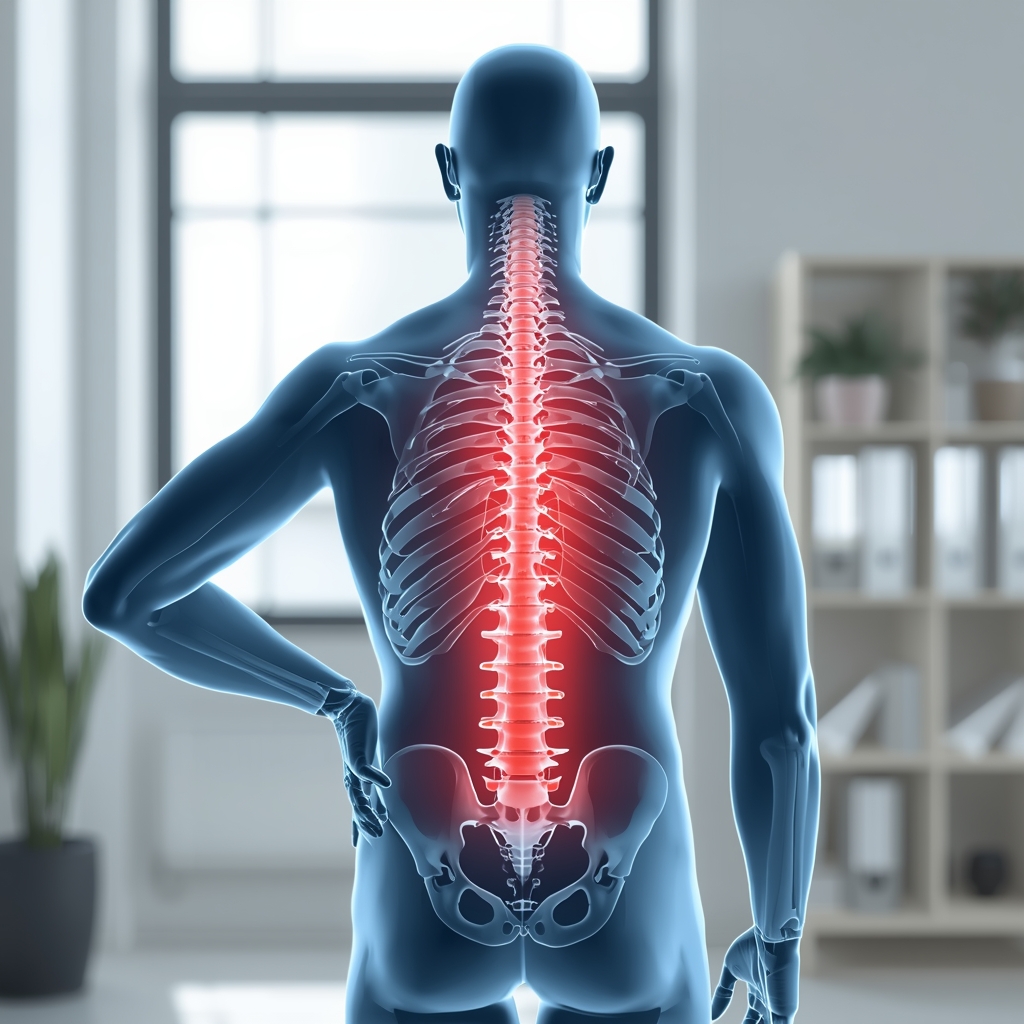
The Lumbar Spine’s Unique Structure and Function
The lumbar spine, consisting of five vertebrae (L1-L5), is uniquely designed to bear significant weight and facilitate movement. Its large, robust vertebrae and thick intervertebral discs provide stability while allowing flexibility. However, this structure also makes it vulnerable to strain. The lumbar region curves slightly inward (lordosis), which helps distribute mechanical stress. When office workers sit for prolonged periods, this natural curve can flatten, altering load distribution and increasing pressure on discs and facet joints. This structural adaptation, while beneficial for daily activities, can lead to discomfort when posture is compromised, highlighting the importance of understanding how anatomy interacts with lifestyle factors.
Discs, Joints, and Nerve Pathways in the Lumbar Spine
Intervertebral discs act as shock absorbers between vertebrae, but they are prone to wear and tear. The lumbar spine’s facet joints enable movement but can become inflamed from repetitive or improper postures. Nerve roots exit the spine through openings called foramina, and any structural shift—such as a herniated disc or joint dysfunction—can compress these nerves. Office workers often experience lower back pain due to these interactions. For example, a bulging disc might press on a nerve, causing radiating pain or numbness. Understanding these anatomical relationships helps explain why prolonged sitting, poor ergonomics, or muscle imbalances can trigger or worsen discomfort in the lower back.
Postural Strain and Lumbar Spine Stress
Office workers frequently adopt slouched or hunched postures, which place excessive stress on the lumbar spine. This can flatten the natural lordotic curve, increasing disc pressure and straining ligaments and muscles. Prolonged sitting also reduces blood flow to spinal tissues, slowing recovery from microtrauma. Additionally, weak core muscles—common in sedentary lifestyles—fail to support the spine adequately, forcing other structures to compensate. These factors create a cycle of strain and discomfort. Ergonomic adjustments, such as proper chair support and regular movement breaks, can mitigate this by maintaining spinal alignment and reducing undue pressure on vulnerable areas.
Common Lower Back Pain Patterns in Office Workers
Office workers often report diffuse lower back pain, muscle tightness, or localized tenderness, which can stem from structural imbalances. A forward pelvic tilt, for instance, increases lumbar curvature, stressing discs and joints. Conversely, a flattened curve may lead to muscle fatigue and instability. Repetitive movements, like reaching for a keyboard, can cause overuse injuries in surrounding muscles. Nerve-related symptoms, such as sciatica, may also arise from spinal misalignments. These patterns highlight how the lumbar spine’s structure interacts with daily activities, making it essential to address both posture and movement habits to prevent chronic issues.
Role of Muscle Imbalances and Weakness
Imbalances between lumbar stabilizers (like the core and glutes) and overactive muscles (such as hip flexors) are common in office workers. Tight hip flexors, from prolonged sitting, can pull the pelvis into a forward tilt, exaggerating lumbar lordosis. Weak gluteal and core muscles fail to support the spine, leading to compensatory overuse of lower back muscles. This creates a cycle of tension and fatigue, contributing to pain. Strengthening exercises and stretching routines can restore balance, but individualized guidance from a chiropractor or physical therapist is often necessary to address specific imbalances effectively.
Preventive Strategies and Spinal Health
Maintaining lumbar spine health requires proactive measures. Regular movement breaks, ergonomic adjustments, and strengthening exercises can counteract the effects of prolonged sitting. Chiropractic care may help realign the spine and relieve pressure on nerves or joints. However, these strategies should be tailored to individual needs, as no single approach fits all. Office workers should prioritize posture awareness, incorporate stretching into daily routines, and seek professional advice for persistent pain. By understanding the lumbar spine’s role in lower back pain, individuals can take informed steps to protect their spinal health and reduce discomfort.














