
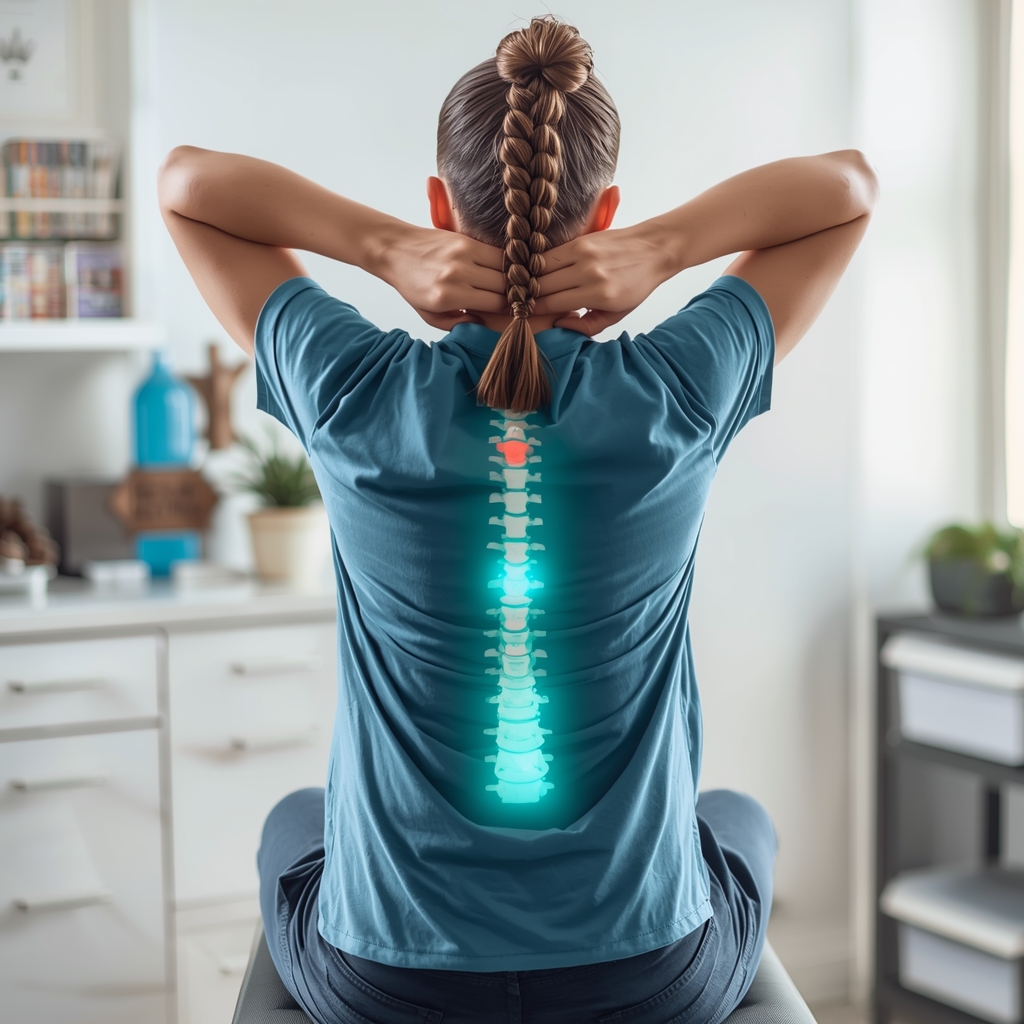
Understanding Scoliosis and Degenerative Changes
Scoliosis refers to an abnormal sideways curvature of the spine, often diagnosed in adolescents but increasingly prevalent in adults due to age-related degenerative changes. These changes, such as disc degeneration or joint wear, can exacerbate spinal imbalances. While scoliosis itself is not typically painful, the associated musculoskeletal strain and nerve compression may lead to discomfort. For adults, managing scoliosis involves addressing both the curvature and the degenerative factors contributing to pain. Chiropractic care offers a non-invasive approach to alleviate symptoms and improve mobility, focusing on spinal alignment and functional restoration.
The Role of Chiropractic Adjustments
Chiropractic adjustments aim to restore proper spinal alignment, which may reduce pressure on nerves and muscles affected by scoliosis. For adults with degenerative changes, these adjustments can help mitigate pain caused by misaligned vertebrae or compressed discs. By improving joint mobility and reducing inflammation, adjustments may enhance overall spinal function. However, the effectiveness of adjustments for scoliosis varies depending on the severity of the curvature and the individual’s condition. Chiropractors often combine adjustments with other therapies to create a holistic treatment plan tailored to the patient’s needs.
Pelvic Stability and Spinal Alignment
Pelvic stability plays a critical role in maintaining spinal balance, especially in scoliosis cases involving degenerative changes. An unstable pelvis can contribute to uneven weight distribution, worsening spinal curvature and increasing strain on surrounding structures. Chiropractors assess pelvic alignment and address imbalances through targeted adjustments and soft tissue techniques. Strengthening the core and stabilizing muscles may also support long-term spinal health. By restoring pelvic stability, chiropractic care can reduce pain and improve posture, offering a complementary approach to managing scoliosis in adults.
Addressing Degenerative Disc Disease
Adults with scoliosis often experience degenerative disc disease, where discs lose flexibility and cushioning over time. This can lead to chronic pain, reduced mobility, and nerve irritation. Chiropractic care may help by alleviating pressure on affected discs and promoting natural healing. Techniques such as spinal decompression or gentle manipulations can reduce disc compression and improve fluid exchange. While adjustments alone may not reverse degeneration, they can complement other treatments like physical therapy or lifestyle modifications. Patients should work closely with their chiropractor to develop a personalized strategy for managing both scoliosis and degenerative changes.
Non-Adjustment Therapies for Symptom Relief
In addition to adjustments, chiropractors may employ therapies like massage, acupuncture, or rehabilitative exercises to manage scoliosis-related symptoms. These methods can ease muscle tension, improve circulation, and enhance flexibility. For degenerative conditions, modalities such as heat therapy or electrical stimulation may reduce inflammation and pain. Chiropractors often recommend corrective exercises to strengthen core muscles and support spinal stability. While these therapies do not correct the curvature itself, they can significantly improve quality of life by reducing discomfort and promoting better posture. Integrating multiple approaches ensures a comprehensive strategy for long-term management.
Consulting a Qualified Chiropractor
Managing scoliosis and degenerative changes requires a personalized approach, as each patient’s condition and goals differ. A qualified chiropractor will conduct a thorough evaluation, including imaging and medical history, to develop an appropriate care plan. They may collaborate with other healthcare providers to ensure safe, effective treatment. Patients should discuss their symptoms, expectations, and any existing medical conditions before beginning care. While chiropractic adjustments can provide relief, they are not a substitute for medical treatment in severe cases. Open communication with a licensed professional is essential to navigate the complexities of adult scoliosis and degenerative spine conditions.













