
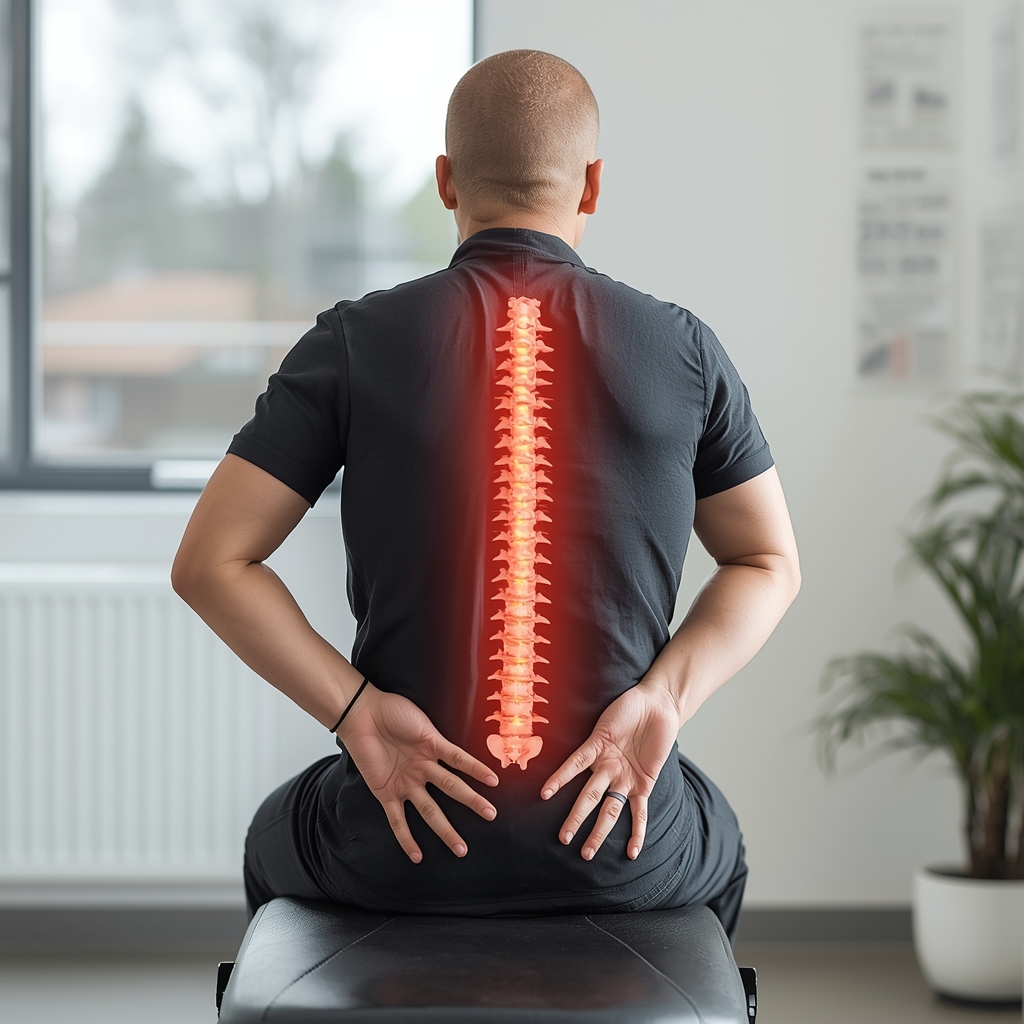
Understanding Adult Scoliosis and Degenerative Changes
Adult scoliosis, often linked to degenerative spinal changes, involves abnormal lateral curvature of the spine, frequently accompanied by wear and tear on discs, joints, and surrounding tissues. Unlike adolescent scoliosis, which develops during growth spurts, adult cases may arise from untreated childhood curves or age-related deterioration. Degenerative changes can exacerbate pain, reduce mobility, and alter posture. While not always symptomatic, many adults experience chronic discomfort, nerve compression, or reduced quality of life. Managing this condition often requires a multifaceted approach, with chiropractic care offering non-invasive strategies to address alignment, function, and comfort. Understanding the interplay between scoliosis and degeneration is key to exploring how adjustments might support spinal health in adults.
How Chiropractic Adjustments May Support Spinal Alignment
Chiropractic adjustments aim to restore proper spinal mechanics by gently realigning vertebrae and reducing pressure on nerves. For adults with scoliosis and degenerative changes, these adjustments may help alleviate pain caused by misaligned vertebrae or compressed nerves. While scoliosis curves are often fixed, adjustments can sometimes improve mobility in adjacent areas, easing strain on the spine. By addressing compensatory patterns—such as muscle imbalances or altered movement—chiropractors may help reduce discomfort and enhance overall function. However, adjustments alone typically do not correct the curvature itself. Instead, they focus on optimizing spinal health within the existing structural framework, potentially improving posture and reducing secondary symptoms.
Managing Pain and Improving Mobility
Pain management is a primary goal for adults with scoliosis and degenerative changes, as chronic discomfort can limit daily activities. Chiropractic care may offer relief by targeting specific areas of tension, inflammation, or nerve irritation. Techniques such as soft tissue therapy, mobilization, or spinal adjustments can reduce muscle spasms and improve range of motion. Additionally, chiropractors may recommend exercises or lifestyle modifications to support long-term mobility. While not a cure, these interventions can help patients maintain independence and reduce reliance on pain medications. It’s important to note that results vary, and a chiropractor can tailor approaches to an individual’s unique condition and goals.
Addressing Posture and Functional Improvements
Adult scoliosis can lead to postural imbalances, such as uneven shoulders or a tilted pelvis, which may worsen with degenerative changes. Chiropractic care often includes strategies to address these issues, such as posture retraining, ergonomic adjustments, and targeted exercises. By improving alignment and muscle engagement, chiropractors may help reduce the load on affected spinal areas, potentially slowing degenerative progression. Functional improvements, like better balance or reduced fatigue, can also enhance quality of life. However, these benefits are typically part of a broader care plan, combining adjustments with other therapies to maximize outcomes for patients with complex spinal conditions.
Non-Surgical Options for Comprehensive Care
For many adults, non-surgical approaches are preferred to manage scoliosis and degenerative changes, and chiropractic care is often a component of this strategy. While adjustments may not reverse spinal curvature, they can complement other treatments like physical therapy, acupuncture, or anti-inflammatory medications. Chiropractors may also collaborate with medical professionals to ensure a coordinated approach, especially when addressing nerve-related symptoms or severe pain. Patients should discuss all treatment options with their healthcare providers to determine the best fit for their condition. Chiropractic care remains a viable, non-invasive option for those seeking to manage symptoms and maintain spinal function without surgical intervention.
When to Consult a Chiropractor for Scoliosis
Adults experiencing symptoms like back pain, numbness, or mobility issues related to scoliosis should consider consulting a chiropractor for personalized evaluation. A qualified chiropractor can assess the spine’s condition, identify areas of dysfunction, and develop a care plan tailored to the individual’s needs. It’s important to choose a practitioner experienced in adult scoliosis, as techniques may differ from those used for adolescents. Patients should also communicate openly with their primary care physician to ensure chiropractic care aligns with other treatments. While chiropractic adjustments may offer relief, they are most effective when part of a comprehensive, multidisciplinary approach to managing scoliosis and degenerative changes.














