
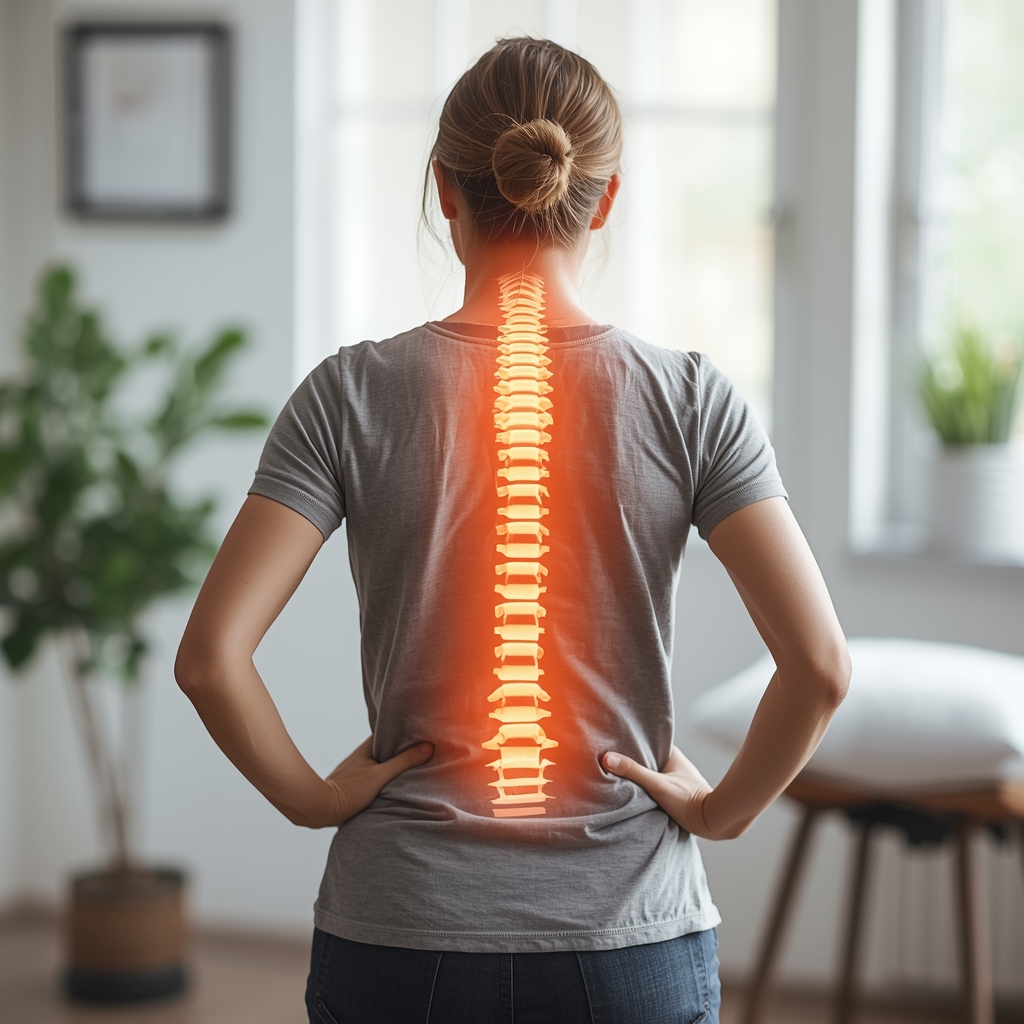
Understanding Osteoporosis and Spinal Degeneration
Osteoporosis weakens bones, increasing fracture risk, particularly in the spine. As bone density declines, vertebral compression fractures and spinal deformities like kyphosis may occur, causing pain and mobility issues. While osteoporosis is common in older adults, its impact on spinal health requires specialized care. Chiropractic approaches focus on maintaining spinal alignment, reducing pressure on nerves, and supporting musculoskeletal function. For elderly individuals, gentle, non-invasive methods are prioritized to avoid further bone damage. Understanding these connections helps families recognize the importance of proactive spinal care in aging populations.
Spinal Adjustments and Gentle Manipulation
Chiropractors use tailored spinal adjustments to address misalignments caused by osteoporosis-related degeneration. These techniques aim to improve posture, reduce pain, and enhance mobility without applying excessive force. For elderly patients, adjustments are modified to be gentler, often using tools like activators or low-force methods. By restoring proper spinal mechanics, chiropractors can alleviate nerve pressure and support overall body function. Families should note that these interventions are part of a broader care plan, not a standalone solution. Regular checkups help monitor progress and adjust strategies as needed.
Posture Correction and Mobility Support
Poor posture exacerbates spinal stress in individuals with osteoporosis. Chiropractors often incorporate posture correction exercises and ergonomic recommendations to reduce strain on weakened bones. Simple adjustments, like improving sitting or standing habits, can prevent further degeneration. Mobility exercises, such as stretching or low-impact movement, may also be recommended to maintain flexibility. These strategies help elderly patients retain independence while minimizing fall risks. Families can support these efforts by creating safe environments and encouraging adherence to prescribed routines. Chiropractic care complements other therapies to promote long-term spinal health.
Pain Management and Quality of Life
Chronic pain from spinal degeneration can significantly impact an elderly person’s quality of life. Chiropractic care addresses pain through non-pharmacological means, such as soft tissue therapy, heat/cold applications, and guided movement. These methods reduce inflammation and improve comfort without relying on medications that may interact with other treatments. By managing pain effectively, chiropractors help patients stay active and engaged. Families should communicate openly with providers to ensure care aligns with the patient’s overall health goals. Regular assessments allow adjustments to pain management strategies as needed.
Collaborative Care with Medical Professionals
Chiropractic care for osteoporosis-related spinal issues often involves collaboration with primary care physicians, orthopedic specialists, and physical therapists. This multidisciplinary approach ensures treatments are safe and complementary. For example, chiropractors may coordinate with doctors to monitor bone density or adjust care plans based on medical findings. Families play a vital role in facilitating communication between providers to avoid conflicts in treatment. Open dialogue helps create a cohesive strategy that prioritizes the patient’s well-being. Such teamwork enhances outcomes and reduces risks associated with isolated interventions.
Preventive Strategies for Long-Term Health
Prevention is key in managing osteoporosis-related spinal degeneration. Chiropractors educate patients on lifestyle factors that support bone health, such as nutrition, weight-bearing exercises, and fall prevention. Regular chiropractic visits can detect early signs of misalignment or degeneration, enabling timely intervention. Families can reinforce these efforts by encouraging healthy habits and monitoring for changes in mobility or pain levels. While chiropractic care cannot reverse osteoporosis, it can slow its progression and improve functional outcomes. Emphasizing preventive measures empowers elderly individuals to maintain autonomy and reduce reliance on more invasive treatments.











