
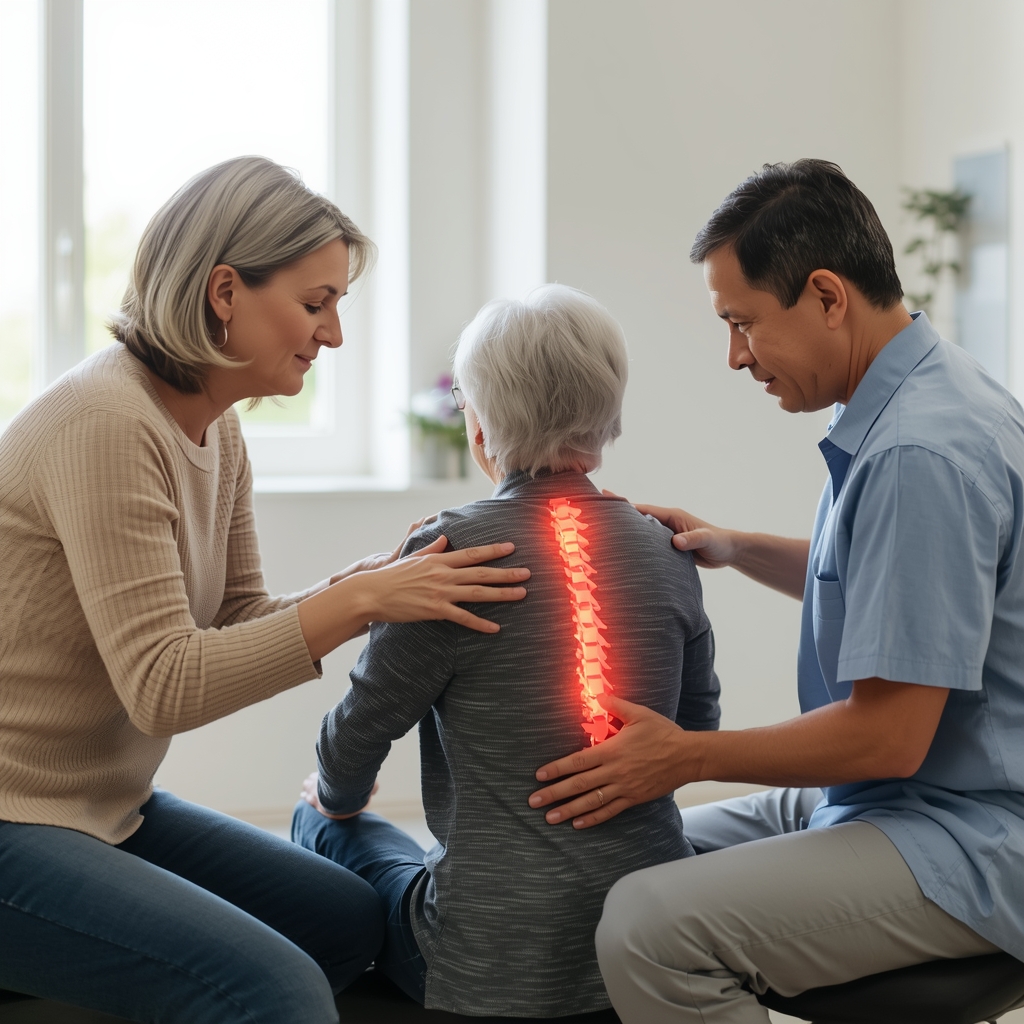
Understanding the Unique Needs of Elderly Patients
As family members age, their musculoskeletal systems undergo natural changes, making chiropractic care for conditions like osteoporosis and spinal degeneration require a tailored approach. Osteoporosis weakens bones, increasing fracture risk, while spinal degeneration can cause chronic pain and reduced mobility. These factors necessitate modifications to traditional chiropractic techniques to ensure safety and effectiveness. Chiropractors must prioritize gentle, low-force adjustments and collaborate closely with other healthcare providers to address the complex needs of elderly patients. Family caregivers play a vital role in advocating for their loved ones’ comfort and well-being, emphasizing the importance of open communication with healthcare professionals. By recognizing these unique challenges, families can better support their elderly members in maintaining quality of life through adapted chiropractic care.
Comprehensive Assessment and Communication
Before initiating or continuing chiropractic care, a thorough assessment is critical for elderly patients with osteoporosis or spinal degeneration. This includes reviewing medical history, current medications, and any recent injuries or surgeries. Chiropractors should coordinate with primary care physicians, orthopedic specialists, and physical therapists to create a holistic care plan. Families can assist by ensuring all relevant health information is shared and by asking questions about treatment goals and potential risks. Open dialogue between patients, families, and healthcare providers helps identify safe, effective strategies. For example, certain adjustments may need to be avoided, while others could be modified to minimize strain. This collaborative approach ensures that care aligns with the patient’s overall health status and preferences, fostering trust and better outcomes.
Adapting Techniques for Safety and Comfort
Chiropractic adjustments for elderly patients often require a gentler, more cautious approach. Techniques such as low-force adjustments, soft tissue therapy, and instrument-assisted methods can reduce the risk of injury while still addressing musculoskeletal imbalances. Chiropractors may also incorporate complementary therapies like heat therapy, ultrasound, or therapeutic exercises to support spinal health without excessive pressure. Families should encourage their loved ones to communicate any discomfort during sessions, as pain or resistance can signal the need for further modifications. Additionally, non-invasive options like posture training or ergonomic adjustments may be recommended to reduce strain on the spine. By prioritizing comfort and safety, chiropractors can help elderly patients maintain mobility and reduce pain without compromising their fragile bone structure.
Integrating Lifestyle and Home Modifications
Adapting chiropractic care for elderly family members extends beyond office visits. At-home strategies can reinforce treatment goals and promote long-term spinal health. Simple adjustments, such as using supportive chairs, avoiding sudden movements, and maintaining proper posture, can prevent exacerbating existing conditions. Gentle exercises like tai chi or water therapy, recommended by a chiropractor, may improve balance and flexibility. Families can also assist by ensuring the home environment is safe, with non-slip mats, adequate lighting, and grab bars in critical areas. Nutrition plays a role too, as calcium and vitamin D intake supports bone density. By combining professional care with lifestyle adjustments, elderly individuals can enhance their recovery and reduce the risk of further complications.
Monitoring Progress and Adjusting Care Plans
Regular follow-ups are essential to evaluate the effectiveness of chiropractic care and make necessary adjustments. Elderly patients may experience gradual changes in their condition, requiring modifications to treatment plans. Families should track any improvements or setbacks, such as increased pain or mobility issues, and share this information with the chiropractor. This ongoing communication allows for timely interventions, such as switching techniques or incorporating additional therapies. It’s also important to monitor for signs of overexertion or adverse reactions, which could indicate the need for a different approach. By staying proactive and attentive, caregivers and healthcare providers can ensure that care remains aligned with the patient’s evolving needs, maximizing benefits while minimizing risks.
Empowering Families Through Education and Support
Education is a cornerstone of effective chiropractic care for elderly family members. Families should seek reliable information about osteoporosis, spinal degeneration, and safe care practices to make informed decisions. Chiropractors can provide resources or answer questions about treatment options, potential risks, and self-care strategies. Support groups or online communities may also offer valuable insights from others in similar situations. By fostering a well-informed approach, families can advocate more effectively for their loved ones and participate actively in their care. Ultimately, a partnership between patients, caregivers, and healthcare providers ensures that elderly individuals receive the safest, most compassionate care possible, helping them maintain independence and comfort as they age.












