
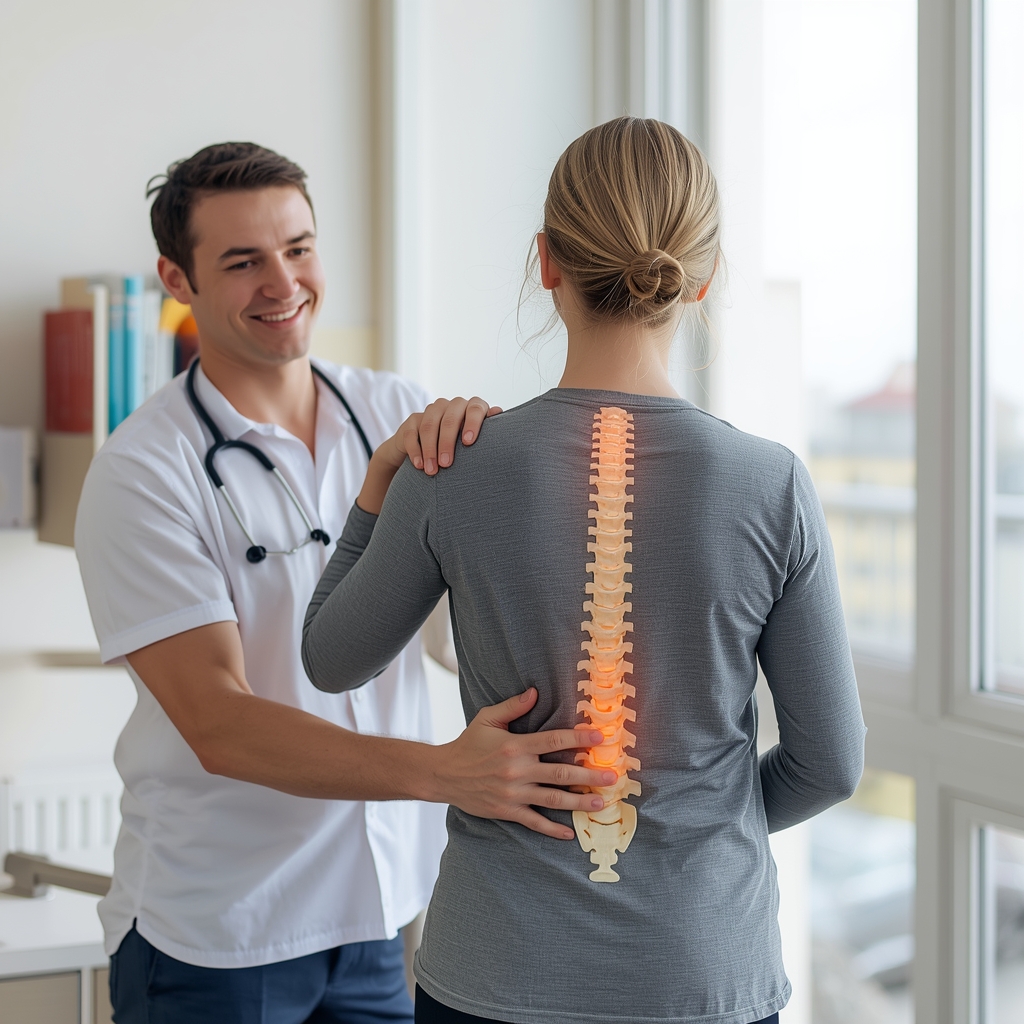
Importance of Spinal Health in Seniors with Osteoporosis
Osteoporosis weakens bones, increasing fracture risks, particularly in the spine. For seniors, maintaining spinal health is critical to preserving mobility and quality of life. Family chiropractors play a key role in addressing these concerns through tailored strategies. Regular assessments help identify early signs of spinal degeneration, allowing for proactive interventions. Chiropractic care focuses on reducing pain, improving posture, and enhancing overall function. Seniors often benefit from a multidisciplinary approach that combines spinal adjustments with lifestyle guidance. By prioritizing spinal health, families can support their aging members in maintaining independence and reducing fall-related injuries. Chiropractors work closely with patients to develop safe, effective plans that align with individual needs and medical histories.
Gentle Chiropractic Techniques for Osteoporotic Spines
Seniors with osteoporosis require specialized chiropractic care to avoid further bone damage. Techniques like low-force adjustments and soft-tissue therapies are preferred over traditional manipulations. These methods minimize pressure on fragile vertebrae while promoting alignment and mobility. Chiropractors may use tools such as activators or drop tables to deliver precise, gentle corrections. Education on proper body mechanics is also essential, helping patients avoid movements that could strain their spine. Families can support this process by encouraging adherence to recommended care plans. Regular follow-ups allow chiropractors to monitor progress and adjust techniques as needed. By focusing on safety and precision, these strategies help seniors maintain spinal stability without compromising bone integrity.
Collaborative Care with Primary Care Providers
Effective osteoporosis management often involves collaboration between chiropractors and primary care physicians. This partnership ensures that spinal treatments align with broader health goals, such as medication management or fall prevention. Chiropractors may refer patients for bone density scans or coordinate with specialists to address comorbid conditions. Open communication between healthcare providers helps avoid conflicting treatments and enhances patient outcomes. Families can facilitate this collaboration by keeping all caregivers informed about their loved one’s care plan. Regular updates and shared records streamline decision-making and ensure a cohesive approach. This teamwork is vital for seniors, as it reduces risks and promotes holistic well-being. By integrating chiropractic care with conventional medicine, patients receive comprehensive support for their spinal and overall health.
Lifestyle Modifications for Bone and Spine Health
Chiropractors often recommend lifestyle changes to complement spinal care for seniors with osteoporosis. Weight-bearing exercises, such as walking or tai chi, strengthen bones and improve balance. A diet rich in calcium and vitamin D supports bone density, while avoiding excessive caffeine and alcohol reduces fracture risks. Ergonomic adjustments at home, like non-slip mats or supportive furniture, prevent falls. Chiropractors may also advise on proper lifting techniques and posture to protect the spine. Families can reinforce these habits by creating safe living environments and encouraging regular physical activity. Education on fall prevention strategies is another key component, helping seniors navigate daily tasks confidently. These modifications, when paired with chiropractic care, create a robust foundation for long-term spinal health.
Family Education and Support in Osteoporosis Management
Families play a crucial role in supporting seniors’ osteoporosis care. Chiropractors often educate family members on recognizing warning signs, such as sudden back pain or height loss, which may indicate fractures. Providing resources on nutrition, exercise, and home safety empowers families to assist their loved ones effectively. Regular family meetings with the chiropractor can clarify care plans and address concerns. Emotional support is equally important, as osteoporosis can lead to anxiety about falling. Encouraging open dialogue helps seniors feel secure and motivated to follow through with treatments. Families can also advocate for their loved ones during medical appointments, ensuring all healthcare providers are aligned. This collaborative approach strengthens the care network and fosters better outcomes for seniors.
Monitoring and Adjusting Treatment Plans Over Time
Osteoporosis is a progressive condition, requiring ongoing evaluation and adjustments to care plans. Chiropractors regularly assess spinal health through physical exams and patient feedback, making necessary modifications to techniques or recommendations. Seniors may need periodic re-evaluations to track changes in bone density or mobility. Families can help by observing any new symptoms or difficulties and reporting them promptly. Adjustments might include changing exercise routines, adding supplements, or incorporating new therapies. Staying proactive ensures that care remains effective as the condition evolves. Chiropractors emphasize the importance of consistency while remaining flexible to individual needs. This dynamic approach helps seniors maintain spinal resilience and overall well-being over the long term.











