
Understanding Osteoporosis and Fracture Risk in Postmenopausal Women
Osteoporosis, a condition characterized by weakened bones, disproportionately affects postmenopausal women due to declining estrogen levels. This hormonal shift accelerates bone loss, increasing the risk of fractures, particularly in the spine, hips, and wrists. While traditional approaches focus on medication and lifestyle changes, emerging research suggests chiropractic care may play a supportive role in mitigating these risks. By addressing spinal alignment and nervous system function, chiropractors aim to enhance overall musculoskeletal health, potentially reducing fracture vulnerability. However, it’s essential to approach this topic with caution, as current evidence remains exploratory and not yet definitive.
The Role of Spinal Alignment in Bone Health
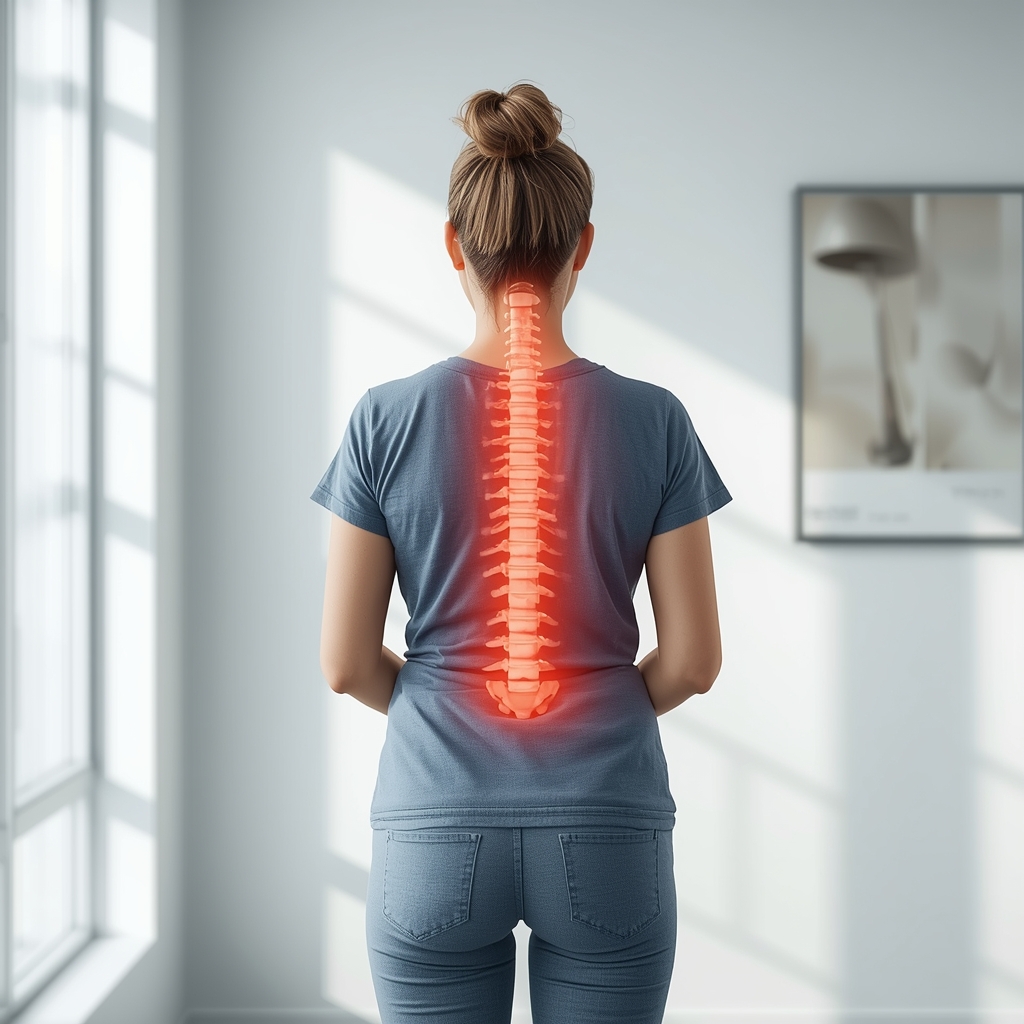
Chiropractic care emphasizes the relationship between spinal alignment and overall body function. Proponents argue that proper spinal mechanics can improve nerve communication, optimize muscle function, and support bone density. For postmenopausal women, maintaining a stable spine may reduce the mechanical stress that contributes to bone fragility. Some studies suggest that regular chiropractic adjustments could complement conventional osteoporosis management by promoting better posture and balance, which are critical for fall prevention. However, these findings are preliminary, and more research is needed to establish a direct link between chiropractic interventions and reduced fracture rates.
Recent Research Trends and Emerging Evidence
Recent years have seen growing interest in the intersection of chiropractic care and bone health. While large-scale clinical trials are limited, smaller studies and observational data highlight potential benefits. Researchers are investigating how spinal manipulative therapy might influence biomechanics, muscle strength, and proprioception—factors that could indirectly support bone integrity. Additionally, some experts propose that chiropractors’ focus on holistic wellness, including exercise and nutrition guidance, may contribute to better outcomes. Despite these promising angles, the field lacks consensus, and findings remain inconclusive without robust, long-term studies.
Preventive Care and Early Intervention Strategies
Chiropractors often emphasize preventive care as a cornerstone of their practice. For postmenopausal women, this may involve regular spinal assessments to detect early signs of misalignment or degenerative changes. By addressing these issues promptly, chiropractors aim to reduce the risk of falls and fractures linked to poor balance or musculoskeletal instability. Some practitioners also incorporate soft tissue therapies and rehabilitative exercises to strengthen core muscles and improve flexibility. While these strategies are not a substitute for medical treatments like calcium supplementation or bisphosphonates, they may offer additional support when integrated into a comprehensive care plan.
Complementary Approaches to Osteoporosis Management
Chiropractic care is frequently part of a broader, multidisciplinary approach to osteoporosis. Many chiropractors collaborate with physicians, physical therapists, and nutritionists to address bone health from multiple angles. For instance, they may recommend weight-bearing exercises, dietary adjustments, and fall-prevention strategies alongside spinal care. This integrative model aligns with the growing emphasis on patient-centered, holistic treatment. However, it’s crucial to note that chiropractic interventions should not replace evidence-based medical therapies. Instead, they may serve as a complementary tool when tailored to individual needs and guided by qualified professionals.
Consulting a Chiropractor for Personalized Guidance
Postmenopausal women considering chiropractic care should consult a licensed chiropractor to discuss their unique health profile. A qualified provider can assess spinal health, identify risk factors, and develop a personalized plan that aligns with their medical history and goals. While research on chiropractic’s role in preventing osteoporosis-related fractures is evolving, open communication with healthcare providers ensures safe and informed decision-making. As always, patients should prioritize evidence-based practices and avoid unproven claims. By working collaboratively with their care team, individuals can explore whether chiropractic support fits into their broader strategy for maintaining bone health and overall well-being.















