
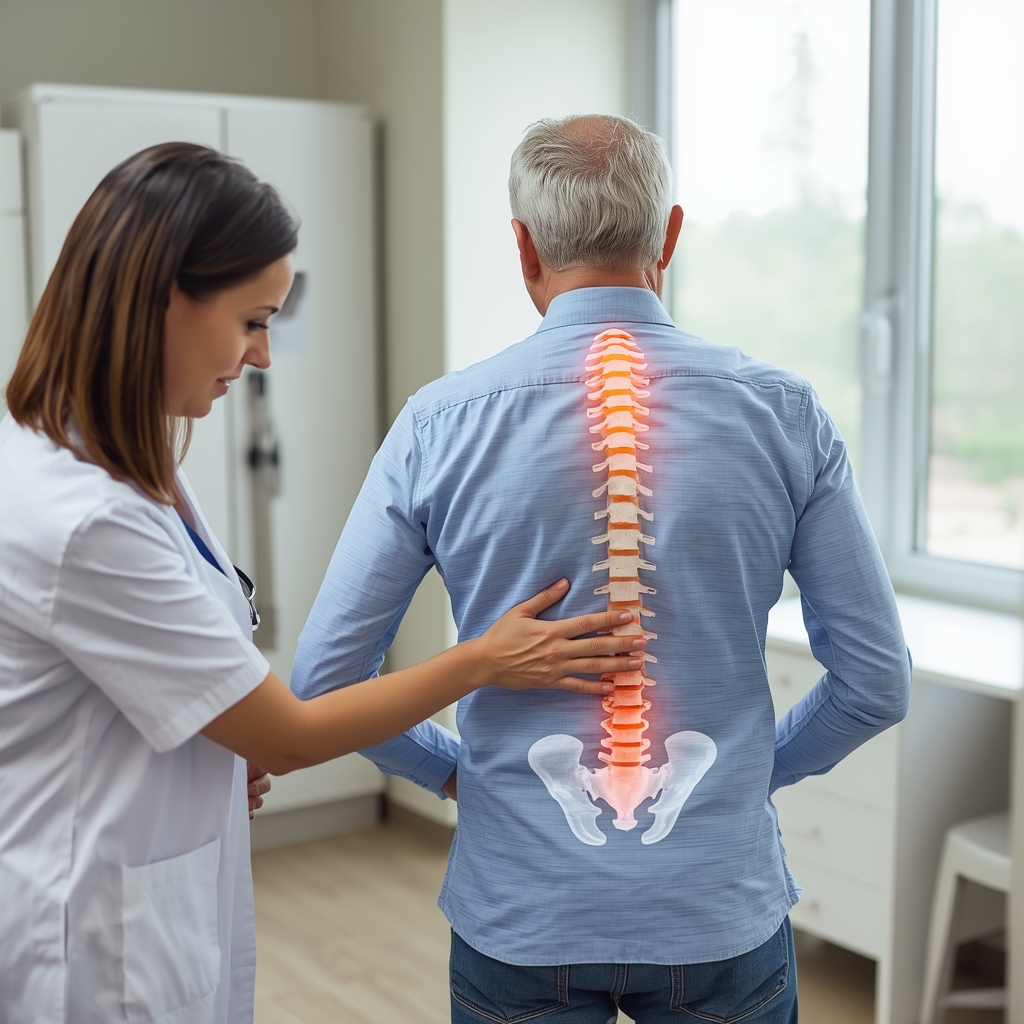
The Importance of Family Involvement in Senior Spinal Care
Family-centered chiropractic care emphasizes collaboration between seniors, their caregivers, and healthcare providers to maintain spinal health. Osteoporosis weakens bones, increasing fracture risks, particularly in the spine. Families play a critical role by encouraging regular checkups, monitoring mobility changes, and supporting lifestyle adjustments. Open communication with a chiropractor ensures care plans align with the senior’s needs and family dynamics. This approach fosters accountability, helping seniors adhere to preventive measures like posture correction, gentle exercise, and fall prevention strategies. When families actively participate, they create a supportive environment that prioritizes long-term spinal resilience and reduces the emotional burden of managing chronic conditions.
Chiropractic Techniques Tailored for Osteoporosis-Prone Seniors
Chiropractors use specialized techniques to address the unique needs of seniors with osteoporosis. Gentle adjustments, such as low-force or instrument-assisted methods, minimize pressure on fragile bones while improving spinal alignment. These approaches aim to enhance mobility, reduce pain, and lower fracture risks. Families can support these efforts by ensuring seniors attend scheduled visits and follow home care recommendations. Chiropractors may also incorporate soft tissue therapies or corrective exercises to strengthen muscles around the spine, providing additional stability. By focusing on non-invasive, personalized care, chiropractors and families work together to maintain spinal integrity without relying on medications or surgeries that may carry risks for older adults.
Family-Driven Exercise Programs for Bone Strength
Regular physical activity is vital for maintaining bone density and balance, but seniors with osteoporosis require tailored routines. Family members can help design or participate in low-impact exercises like tai chi, walking, or resistance training under a chiropractor’s guidance. These activities improve muscle strength, coordination, and posture, all of which reduce fall risks. Families can also create safe home environments by removing tripping hazards and ensuring adequate lighting. By engaging in these exercises together, families strengthen bonds while reinforcing healthy habits. Chiropractors often recommend specific movements to target spinal support structures, and family involvement ensures consistency in practice. This collaborative approach empowers seniors to stay active and confident in their daily routines.
Nutritional Strategies Supported by the Whole Family
Nutrition plays a key role in bone health, and family support can make a significant difference. Seniors with osteoporosis need adequate calcium, vitamin D, and protein, which families can help incorporate into meals. Chiropractors often collaborate with nutritionists to create balanced diets, but family members can reinforce these choices at home. Cooking together, preparing bone-healthy recipes, and monitoring supplement intake are ways families contribute. Additionally, staying hydrated and avoiding excessive caffeine or alcohol supports overall wellness. By adopting these habits collectively, families create a culture of health that benefits everyone. Chiropractors may also advise on dietary adjustments to complement spinal care, ensuring seniors receive holistic support.
Home Modifications to Prevent Falls and Injuries
Falls are a leading cause of spinal fractures in seniors, but family-led home modifications can mitigate risks. Installing grab bars, improving lighting, and removing clutter are practical steps families can take to create safer living spaces. Chiropractors often recommend ergonomic adjustments, such as supportive footwear or cushioned seating, which families can help implement. Additionally, encouraging the use of assistive devices like canes or walkers can prevent accidents. Families can also monitor the senior’s balance and gait during daily activities, reporting any changes to their chiropractor. These proactive measures, combined with regular chiropractic evaluations, form a comprehensive strategy to protect spinal health and independence.
Building a Collaborative Care Plan with Chiropractors
A successful preventive strategy requires ongoing communication between families, seniors, and chiropractors. Regular checkups allow chiropractors to track spinal health and adjust care plans as needed. Families can keep detailed records of the senior’s symptoms, activity levels, and any changes in mobility to share during visits. Chiropractors may also provide educational resources for families to understand osteoporosis management better. By involving the entire family in care decisions, seniors feel more supported and motivated to follow recommendations. This teamwork ensures that spinal health remains a priority, fostering a proactive approach to aging. Ultimately, family-centered chiropractic care empowers seniors to maintain their quality of life through informed, collaborative efforts.















