
Understanding Post-Concussion Syndrome and Its Challenges
Post-concussion syndrome (PCS) refers to a complex of symptoms that persist after a mild traumatic brain injury, such as headaches, dizziness, fatigue, and cognitive difficulties. These symptoms can linger for weeks or months, significantly impacting daily life. While conventional treatments often focus on symptom management, many patients seek complementary approaches to support recovery. Chiropractic care, particularly cervical spine adjustments and vestibular rehabilitation, has emerged as a potential aid for individuals navigating PCS. By addressing musculoskeletal and neurological components, these therapies may help alleviate discomfort and restore balance, though they should always be discussed with a qualified provider to ensure safety and appropriateness.
The Role of Cervical Spine Adjustments in PCS Recovery
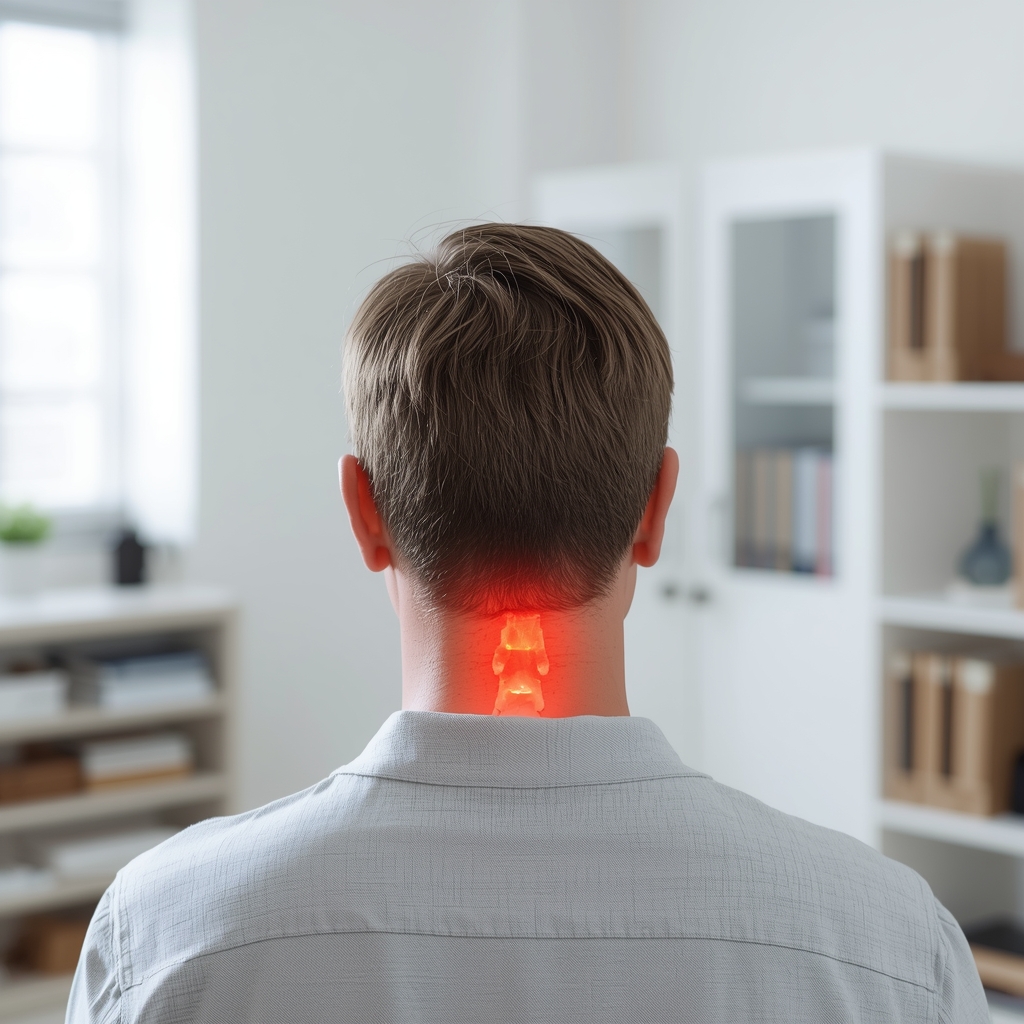
Cervical spine adjustments, a core component of chiropractic care, aim to restore proper alignment and function to the neck. After a concussion, the cervical spine may experience misalignments or tension, contributing to symptoms like headaches, neck pain, and dizziness. By gently realigning vertebrae, these adjustments can reduce pressure on nerves and improve blood flow, potentially easing discomfort. Some patients report reduced symptoms following such interventions, though results vary. It is crucial to note that adjustments should be performed by a licensed chiropractor with experience in post-concussion cases to minimize risks. While not a cure, this approach may complement other recovery strategies when tailored to individual needs.
Vestibular Rehabilitation: Addressing Balance and Dizziness
Vestibular rehabilitation is a specialized form of therapy designed to alleviate symptoms related to inner ear dysfunction, such as dizziness and balance issues. These symptoms are common in PCS, as concussions can disrupt the vestibular system. Through targeted exercises, this therapy helps retrain the brain to process balance signals more effectively, reducing vertigo and improving stability. Many patients find relief through customized vestibular programs, which may include head movements, gaze stabilization, and balance training. When combined with chiropractic care, vestibular rehabilitation can address both musculoskeletal and neurological aspects of PCS, offering a holistic approach to recovery. However, it should be guided by a healthcare professional to ensure safety and effectiveness.
How Cervical Adjustments and Vestibular Rehab Complement Each Other
Cervical spine adjustments and vestibular rehabilitation often work synergistically to support PCS recovery. Misalignments in the neck can exacerbate vestibular symptoms by affecting nerve pathways and blood flow to the brain. By correcting these misalignments, chiropractic adjustments may enhance the effectiveness of vestibular therapy, allowing the body to better respond to balance exercises. Conversely, vestibular rehabilitation can help desensitize the nervous system, potentially making cervical adjustments more comfortable and effective. This integrated approach addresses both structural and functional aspects of PCS, offering a comprehensive strategy for symptom relief. However, individual responses vary, and patients should collaborate with their healthcare team to develop a personalized plan.
Safety Considerations and Patient Guidance
While cervical adjustments and vestibular rehabilitation show promise for PCS, safety is paramount. Patients should seek care from licensed professionals with expertise in post-concussion cases. Cervical adjustments require careful technique to avoid complications, especially in individuals with pre-existing conditions. Vestibular therapy should be tailored to each person’s tolerance level to prevent exacerbating symptoms. Open communication with healthcare providers is essential to monitor progress and adjust treatments as needed. Patients should also be aware that recovery timelines vary and that these therapies may not work for everyone. Prioritizing evidence-based practices and regular follow-ups ensures a safer, more effective recovery journey.
When to Explore These Options with a Chiropractor
If you or a loved one is experiencing persistent PCS symptoms, consulting a chiropractor with experience in concussion care may be beneficial. A qualified provider can assess your condition, discuss potential therapies, and create a personalized plan. Cervical adjustments and vestibular rehabilitation are not one-size-fits-all solutions, so individualized evaluation is key. Patients should also consider these options in conjunction with other medical advice, as PCS often requires a multidisciplinary approach. By working with a trusted healthcare professional, individuals can explore safe, supportive strategies to aid recovery and improve quality of life.













