
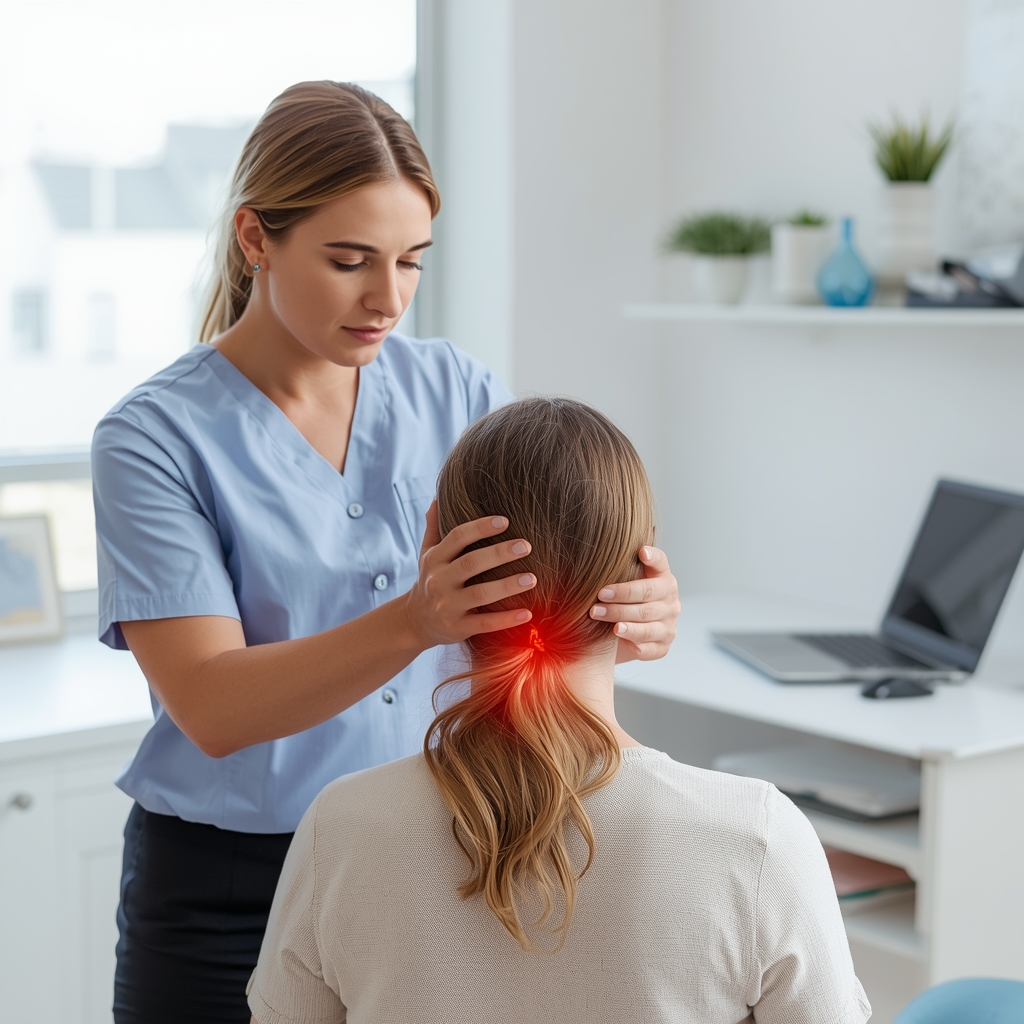
The Role of the Cervical Spine in Post-Concussion Recovery
The cervical spine, or neck region, plays a critical role in overall neurological function and posture. After a concussion, patients often experience disrupted balance, dizziness, and neck pain due to trauma to the head and upper spine. Cervical spine adjustments aim to restore proper alignment and mobility in this area, which may help alleviate some post-concussion symptoms. By addressing misalignments, chiropractors seek to reduce pressure on nerves and improve communication between the brain and body. This can be particularly beneficial for patients struggling with persistent headaches, vertigo, or cognitive difficulties following a concussion. However, it is important to note that such interventions are typically part of a broader care plan and should be discussed with a qualified healthcare provider.
How Cervical Adjustments May Support Neurological Function
Chiropractic adjustments to the cervical spine focus on restoring proper movement and alignment of the vertebrae. This can help reduce irritation to the spinal cord and surrounding nerves, which may be affected by the forces that cause a concussion. Improved nerve function may support better brain-body coordination, potentially easing symptoms like dizziness, fatigue, and difficulty concentrating. Some patients report reduced neck pain and improved range of motion after adjustments, which can enhance overall comfort during recovery. While the exact mechanisms are not fully understood, many practitioners believe that maintaining spinal health contributes to the body's natural healing processes. As with any treatment, individual results can vary, and patients should consult their chiropractor to determine the best approach for their specific needs.
Addressing Common Post-Concussion Symptoms Through Spinal Care
Post-concussion syndrome often involves a range of symptoms, including headaches, neck pain, and balance issues. Cervical spine adjustments may help address these by reducing tension in the muscles and joints of the neck, which can contribute to headaches and dizziness. Proper alignment of the cervical spine can also support the proper function of the vestibular system, which is responsible for balance. Patients who experience persistent neck stiffness or pain may find relief through targeted adjustments, allowing them to engage more fully in other aspects of their recovery. It is essential to work with a chiropractor who has experience in treating post-concussion cases, as the approach may differ from standard spinal care. Always discuss any new treatments with your healthcare team to ensure they align with your overall care plan.
Integrating Cervical Adjustments With Other Post-Concussion Therapies
Chiropractic care for post-concussion syndrome is often part of a multidisciplinary approach that includes rest, physical therapy, and cognitive rehabilitation. Cervical spine adjustments may complement these therapies by addressing musculoskeletal factors that could hinder recovery. For example, a patient experiencing dizziness might benefit from both vestibular therapy and spinal adjustments to improve neck mobility. Similarly, those with chronic headaches may find that combining chiropractic care with lifestyle modifications leads to better outcomes. It is crucial to coordinate with all healthcare providers to ensure a cohesive treatment strategy. While adjustments can be a valuable tool, they are not a substitute for evidence-based medical care. Patients should always follow the guidance of their primary care physician or neurologist when managing post-concussion symptoms.
Safety Considerations for Cervical Spine Adjustments
When performed by a trained and licensed chiropractor, cervical spine adjustments are generally considered safe. However, patients with post-concussion syndrome should be cautious and ensure their provider is familiar with the unique challenges of this condition. Certain techniques may need to be modified to avoid exacerbating symptoms or causing additional strain. It is also important to communicate any discomfort or changes in symptoms during or after adjustments. While rare, complications such as increased dizziness or pain could indicate the need for a different approach. Patients should always seek care from a qualified professional and avoid unproven or experimental treatments. Regular follow-ups with both chiropractic and medical providers can help monitor progress and adjust the care plan as needed.
When to Consult a Chiropractor for Post-Concussion Care
Patients experiencing persistent symptoms after a concussion may consider consulting a chiropractor as part of their recovery strategy. However, it is essential to first receive a thorough medical evaluation to rule out other conditions and ensure that chiropractic care is appropriate. A chiropractor with experience in post-concussion cases can assess the cervical spine and determine if adjustments might help alleviate specific symptoms. This is particularly relevant for individuals with ongoing neck pain, headaches, or balance issues that do not improve with standard medical care. While chiropractic adjustments are not a cure for post-concussion syndrome, they may offer additional support for some patients. As with any healthcare decision, it is important to discuss the potential benefits and risks with both your primary care provider and the chiropractor before proceeding.












