
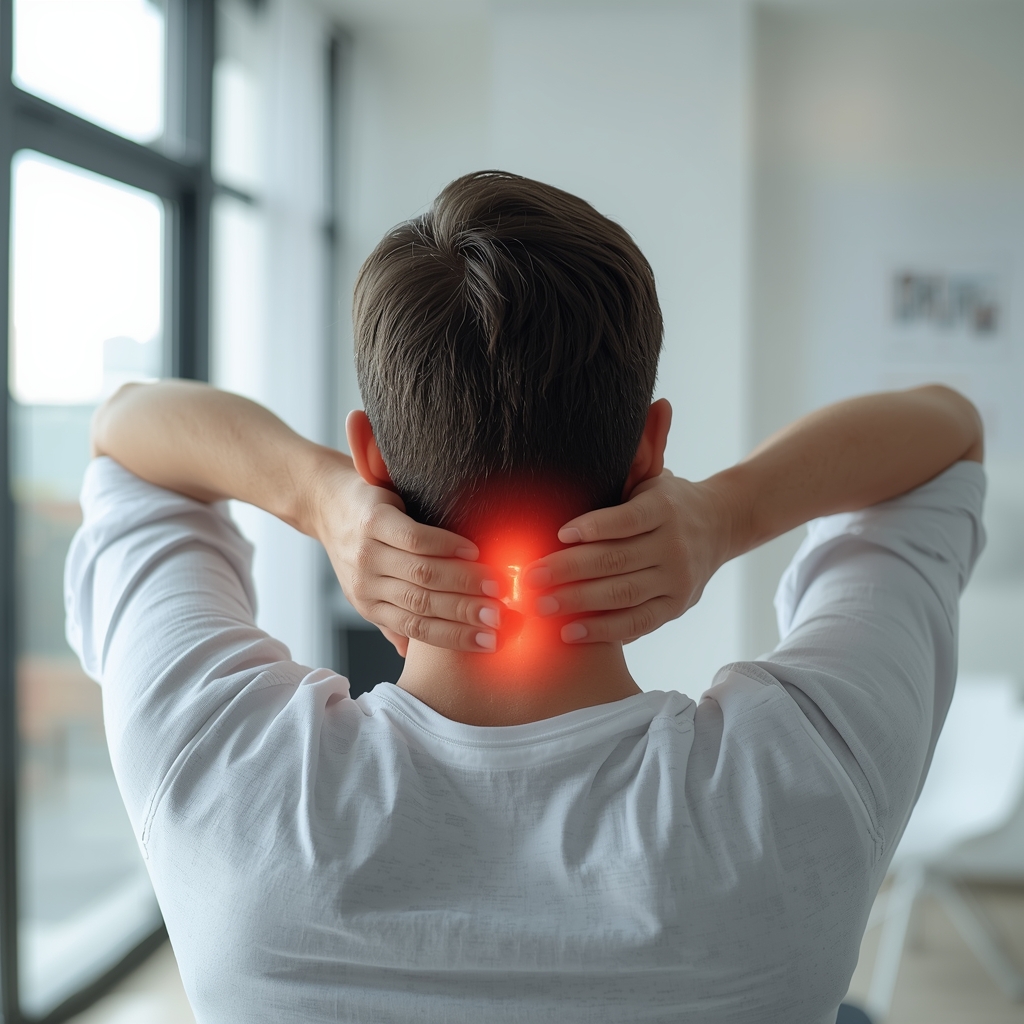
Understanding Post-Concussion Syndrome
Post-concussion syndrome (PCS) refers to a complex of symptoms that persist after a mild traumatic brain injury, such as a concussion. Common symptoms include headaches, dizziness, fatigue, cognitive difficulties, and mood changes. While the brain itself is the primary focus of treatment, the cervical spine often plays a secondary but critical role. Neck injuries, such as whiplash, frequently accompany concussions, leading to musculoskeletal imbalances that may exacerbate PCS symptoms. The cervical spine’s proximity to the brainstem and its role in regulating nervous system function make it a key area for evaluation and care. Chiropractic approaches, particularly cervical spine adjustments, aim to address these mechanical and neurological connections to support recovery.
The Role of Cervical Spine Adjustments
Cervical spine adjustments involve precise, controlled movements to realign the vertebrae in the neck. These adjustments can relieve pressure on nerves, reduce muscle tension, and restore proper biomechanics. For individuals with PCS, misalignments in the cervical spine may contribute to headaches, dizziness, and postural instability. By correcting these issues, adjustments may help alleviate symptoms linked to both the neck and brain. The nervous system’s communication between the brain and body relies on spinal integrity, so maintaining cervical alignment is essential. While not a cure, adjustments can complement traditional medical care by addressing musculoskeletal factors that may hinder recovery. Patients often report improved comfort and mobility after such interventions, though results vary based on individual conditions.
Neurological and Vestibular Benefits
The cervical spine is closely tied to the vestibular system, which governs balance and spatial orientation. Dysfunction in this area can lead to dizziness, vertigo, and coordination issues—common complaints in PCS. Adjustments may stimulate proprioceptive pathways, enhancing the body’s ability to process sensory information. Additionally, the cervical spine houses nerve pathways that connect to the brainstem, a critical hub for regulating autonomic functions. By improving spinal alignment, chiropractic care may support these neurological functions, potentially reducing symptoms like fatigue and cognitive fog. While research on this specific link is ongoing, many practitioners observe improvements in patients’ balance and coordination following cervical adjustments, suggesting a potential role in PCS recovery.
Reduction of Cervical Tension and Headaches
Headaches are one of the most prevalent symptoms of PCS, often stemming from tension in the neck muscles or misalignments in the cervical spine. Prolonged poor posture, muscle stiffness, or trauma from the initial injury can create a cycle of discomfort. Cervical adjustments aim to relieve this tension by restoring normal joint movement and reducing nerve irritation. When the spine is properly aligned, muscle groups around the head and neck can function more efficiently, decreasing the frequency and intensity of headaches. Some patients also experience relief from cervicogenic headaches, which originate in the neck. While not a standalone solution, these adjustments can be a valuable part of a multidisciplinary approach to managing PCS symptoms.
Improving Blood Flow and Cerebrospinal Fluid Dynamics
The cervical spine plays a role in regulating blood flow to the brain and the circulation of cerebrospinal fluid (CSF), which cushions and nourishes neural tissues. Misalignments may interfere with these processes, potentially contributing to symptoms like brain fog or fatigue. Chiropractic adjustments may help optimize spinal mechanics, promoting better circulation and CSF movement. Improved blood flow can enhance oxygen and nutrient delivery to brain cells, while healthy CSF dynamics support waste removal and neural function. Although the exact mechanisms are still being studied, many patients report subjective improvements in energy levels and mental clarity after cervical care. These effects highlight the interconnected nature of spinal health and overall neurological well-being.
Collaborative Care Approaches
While chiropractic care can offer supportive benefits for PCS, it is most effective when integrated with other medical and therapeutic interventions. A team approach involving neurologists, physical therapists, and mental health professionals ensures comprehensive care. Chiropractors often work alongside these providers to address both musculoskeletal and neurological aspects of recovery. Patients should always consult licensed healthcare practitioners before starting any new treatment. Individualized care plans consider the severity of symptoms, medical history, and personal goals. By combining evidence-based practices with chiropractic techniques, patients may achieve more balanced and sustainable recovery outcomes. Open communication with all providers is essential to tailor care to each person’s unique needs.














