
Understanding Persistent Post-Concussion Symptoms
Persistent post-concussion symptoms (PPCS) can linger for weeks, months, or even years after a head injury, affecting balance, coordination, and overall quality of life. Common issues include dizziness, vertigo, fatigue, and cognitive difficulties. The cervical spine, which supports the head and houses critical nerves, may play a role in these symptoms. While PPCS are often linked to brain trauma, misalignments or dysfunction in the neck could exacerbate or contribute to ongoing issues. Chiropractic care focuses on restoring proper spinal function, which may help alleviate some of these symptoms by improving nerve communication and reducing musculoskeletal strain. However, it’s essential to approach this with a holistic perspective, as PPCS can stem from complex interactions between the brain, nervous system, and body.
The Cervical Spine’s Role in Balance and Dizziness
The cervical spine is deeply connected to balance and spatial orientation. It contains proprioceptive receptors that send feedback to the brain about head position and movement. After a concussion, these signals may become disrupted, leading to dizziness or vertigo. Misalignments in the upper cervical region (C1-C2) could further complicate this process by altering nerve function or muscle tension. Chiropractic adjustments aim to correct these misalignments, potentially restoring normal sensory input and reducing symptoms. While the exact mechanisms are not fully understood, many patients report improved balance and reduced dizziness following cervical care. However, these outcomes vary, and individualized evaluation by a qualified provider is crucial to determine if spinal adjustments are appropriate.
How Cervical Adjustments May Alleviate Symptoms
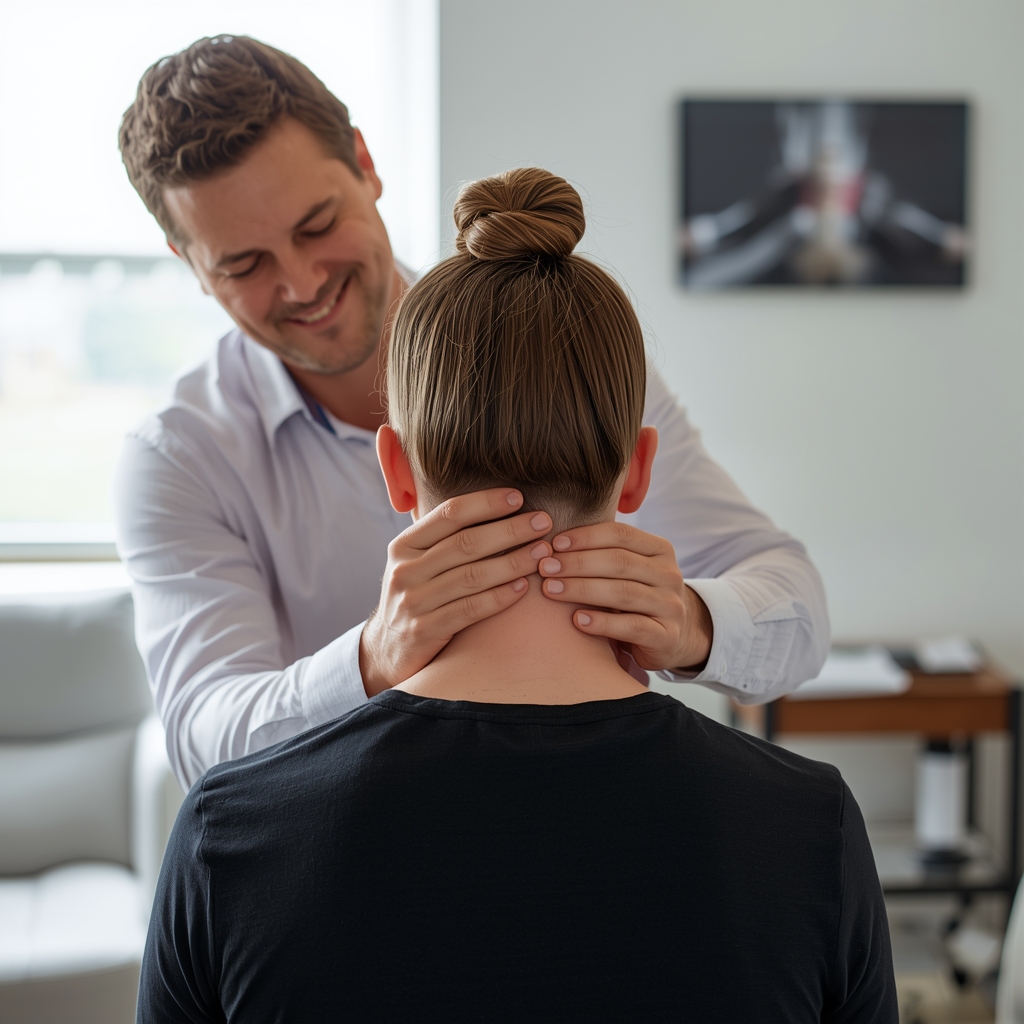
Cervical spine adjustments involve precise, controlled movements to realign vertebrae and relieve pressure on nerves. For individuals with PPCS, this approach may help by reducing muscle tension, improving joint mobility, and enhancing nerve function. By addressing cervical dysfunction, chiropractors aim to support the body’s natural healing processes. Some patients experience relief from dizziness and balance issues, though results are not guaranteed. It’s important to note that adjustments are typically part of a broader treatment plan, which may include vestibular therapy, physical rehabilitation, or other interventions. Chiropractors often collaborate with other healthcare professionals to ensure a comprehensive approach. Always consult a licensed provider to discuss whether cervical adjustments could complement your recovery strategy.
Evidence and Research on Chiropractic for PPCS
Research on chiropractic care for persistent post-concussion symptoms is still emerging. While there is limited high-quality evidence specifically linking cervical adjustments to PPCS relief, some studies suggest that spinal manipulation may help with related conditions like neck pain and headaches. The complex nature of concussions means that individual responses to treatment can vary widely. Many chiropractors report anecdotal success, but these observations should be interpreted cautiously. Patients should seek care from practitioners experienced in post-concussion cases and maintain open communication with their primary healthcare provider. Ongoing research is needed to better understand the efficacy and safety of chiropractic interventions for PPCS, ensuring that recommendations are grounded in reliable data.
Integrating Chiropractic Care into Recovery Plans
Post-concussion recovery often requires a multidisciplinary approach, combining medical, neurological, and rehabilitative strategies. Chiropractic care can be a valuable component, particularly for addressing musculoskeletal contributors to symptoms like dizziness or neck pain. However, it should not replace conventional medical evaluations or treatments. A qualified chiropractor will assess your unique situation, considering factors like the severity of the concussion, existing injuries, and overall health. They may recommend adjustments alongside other therapies, such as vestibular rehabilitation or posture correction. Patients should prioritize care from licensed professionals who understand the nuances of PPCS. By integrating chiropractic support with other evidence-based practices, individuals may enhance their recovery outcomes and improve long-term well-being.
Conclusion: Exploring Chiropractic Options Safely
Cervical spine adjustments may offer potential benefits for individuals experiencing persistent post-concussion symptoms like dizziness and balance issues. By addressing spinal misalignments and supporting nervous system function, chiropractic care could complement traditional recovery methods. However, it’s vital to approach this option with caution and under the guidance of qualified healthcare providers. Each person’s recovery journey is unique, and what works for one may not apply to another. Open communication with your chiropractor and primary care physician ensures that your treatment plan is safe and tailored to your needs. If you’re exploring alternatives to manage PPCS, discussing chiropractic care as part of a comprehensive strategy can help you make informed decisions about your health.













