
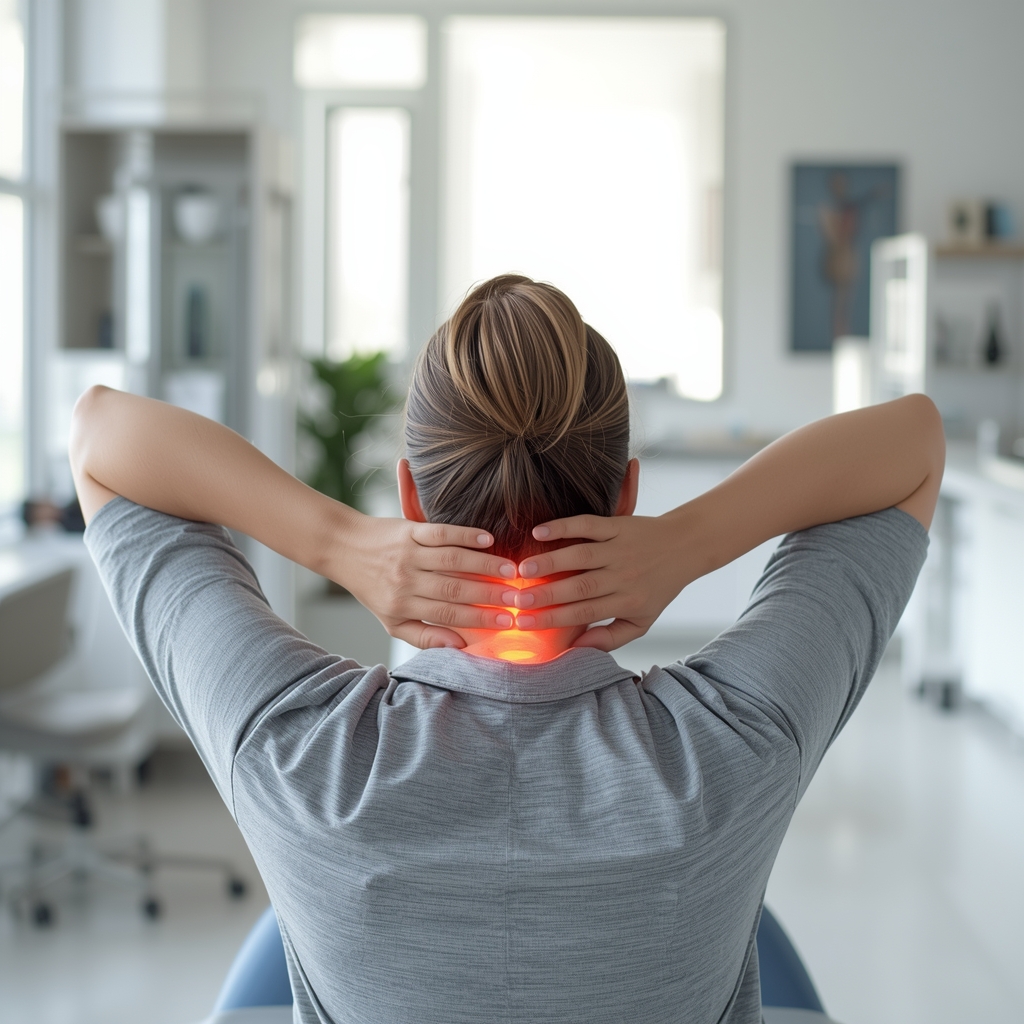
Understanding Cervical Spine Involvement in Concussions
Concussions are often associated with brain trauma, but the cervical spine (neck) can also play a critical role in persistent symptoms. During a head injury, the neck may experience sudden acceleration or rotation, leading to musculoskeletal strain. This can result in restricted movement, muscle tension, or joint dysfunction. These cervical issues may contribute to symptoms like dizziness, neck pain, and headaches, even after the initial concussion has resolved. While not always the primary focus of recovery, addressing cervical spine health can be a key component in managing lingering effects. Chiropractic care often incorporates techniques to evaluate and treat these areas, aiming to restore normal function and alleviate discomfort.
What Is Cervical Spine Mobilization?
Cervical spine mobilization is a hands-on chiropractic technique designed to improve joint mobility and reduce tension in the neck. It involves gentle, controlled movements to restore proper alignment and function to the vertebrae and surrounding soft tissues. Unlike high-velocity adjustments, mobilization focuses on gradual, low-force manipulations to encourage natural movement. This approach can help relieve pressure on nerves, improve blood flow, and reduce muscle stiffness. For individuals with post-concussion symptoms, mobilization may address underlying cervical dysfunction that contributes to dizziness, neck pain, or restricted range of motion. It is typically part of a broader treatment plan tailored to the patient’s specific needs and symptoms.
How Cervical Issues May Influence Post-Concussion Symptoms
The neck’s role in balance and sensory feedback makes it a potential contributor to persistent post-concussion symptoms. Cervical spine dysfunction can disrupt proprioception (the body’s sense of position) and affect the vestibular system, which regulates balance. This may lead to dizziness or vertigo, even in the absence of ongoing brain trauma. Neck pain and stiffness can also exacerbate headaches and fatigue, creating a cycle of discomfort. Some research suggests that addressing cervical mobility may help alleviate these symptoms by restoring normal neural communication and reducing mechanical stress. While not a standalone solution, mobilization can be a valuable tool in a comprehensive recovery strategy for patients experiencing lingering issues after a concussion.
The Role of Chiropractic Care in Post-Concussion Recovery
Chiropractic care offers a non-invasive approach to managing post-concussion symptoms by focusing on the body’s natural healing mechanisms. For patients with persistent dizziness, neck pain, or headaches, a chiropractor may assess the cervical spine for misalignments or restrictions. Mobilization techniques, combined with other interventions like soft tissue therapy or posture correction, can help reduce discomfort and improve function. Many practitioners emphasize a holistic perspective, considering how spinal health interacts with neurological and musculoskeletal systems. While research on chiropractic’s role in concussion recovery is evolving, anecdotal evidence and clinical observations suggest that addressing cervical spine issues can complement traditional medical treatments. Patients are encouraged to discuss their options with a qualified provider to determine the best course of action.
Integrating Mobilization With Other Therapies
Cervical spine mobilization is often most effective when integrated with other therapeutic approaches. For example, physical therapy can strengthen neck muscles and improve range of motion, while vestibular rehabilitation may target balance-related symptoms like dizziness. Chiropractors may also recommend ergonomic adjustments, lifestyle modifications, or exercises to support long-term recovery. This multidisciplinary approach acknowledges the complex nature of post-concussion symptoms, which can involve multiple systems. By combining mobilization with complementary therapies, patients may experience more comprehensive relief. However, it’s essential to work with healthcare professionals who can coordinate care and ensure that all interventions align with the individual’s unique needs and medical history.
When to Seek Professional Guidance
If persistent symptoms like dizziness, neck pain, or headaches follow a concussion, consulting a chiropractor or healthcare provider is advisable. A qualified professional can evaluate the cervical spine and determine if mobilization or other treatments may be beneficial. It’s important to note that while chiropractic care can support recovery, it should not replace medical evaluation, especially for severe or worsening symptoms. Patients should communicate openly with their care team to explore options that align with their goals and health status. By addressing cervical spine involvement early, individuals may enhance their recovery outcomes and reduce the risk of long-term complications. Always seek personalized advice from a licensed practitioner before beginning any new treatment.














