
Understanding Post-Concussion Syndrome and Its Complex Symptoms
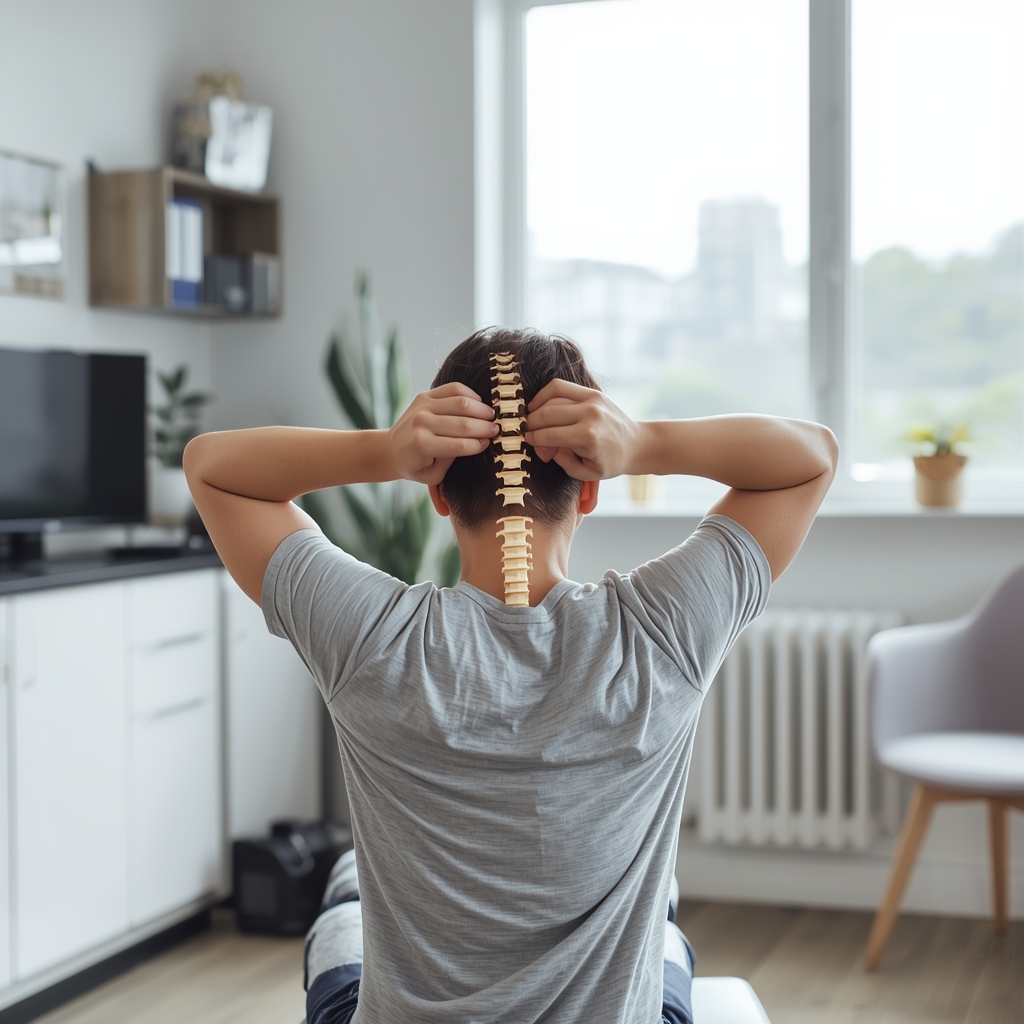
Post-concussion syndrome (PCS) refers to a set of symptoms that persist after a mild traumatic brain injury, such as headaches, dizziness, fatigue, and cognitive difficulties. These issues often stem from disrupted neurological function and biomechanical imbalances. The cervical spine, which supports the head and protects the upper spinal cord, is particularly vulnerable during head trauma. Misalignments or soft tissue damage in this area can exacerbate symptoms like vertigo and balance issues. While PCS is typically managed through rest and gradual activity, integrative approaches like chiropractic care and vestibular rehabilitation are gaining attention for their potential to address both structural and functional aspects of recovery.
How Cervical Spine Adjustments May Support Recovery
Cervical spine adjustments, a cornerstone of chiropractic care, aim to restore proper alignment and mobility to the neck. By reducing subluxations (partial dislocations) and alleviating nerve interference, these adjustments may help ease tension in the upper spine and improve cerebrospinal fluid flow. This can be particularly beneficial for PCS patients experiencing headaches, neck pain, or dizziness linked to cervical dysfunction. Adjustments may also reduce muscle spasms and enhance blood circulation, potentially supporting the brain’s healing process. However, it’s essential to approach these treatments with a qualified chiropractor, as improper techniques could worsen symptoms in sensitive cases.
Vestibular Rehabilitation: Targeting Balance and Dizziness
Vestibular rehabilitation is a specialized form of therapy designed to address inner ear-related balance disorders. For PCS patients, this approach can help retrain the brain to compensate for vestibular dysfunction, reducing symptoms like vertigo, lightheadedness, and spatial disorientation. Exercises often include gaze stabilization, balance training, and habituation techniques to desensitize the vestibular system. These interventions are typically guided by physical therapists or vestibular specialists and may be especially effective when combined with other therapies. By improving the body’s ability to process sensory input, vestibular rehab can enhance overall stability and reduce the risk of falls or further injury during recovery.
Combining Cervical Adjustments and Vestibular Rehab
The synergy between cervical spine adjustments and vestibular rehabilitation lies in their complementary roles: one addresses structural imbalances, while the other targets functional recovery. For example, cervical adjustments may relieve pressure on nerves and blood vessels that influence the vestibular system, while vestibular exercises can recalibrate the brain’s response to movement. This dual approach may lead to more comprehensive symptom relief than either method alone. Patients often report reduced dizziness, improved posture, and better cognitive clarity when both therapies are integrated. However, the timing and intensity of treatments must be carefully coordinated to avoid overstimulation or setbacks.
Considerations for Patients and Practitioners
When exploring combined therapies for PCS, patients should prioritize communication with their healthcare team. A chiropractor and vestibular therapist should collaborate to ensure treatments align with the individual’s recovery stage and symptom profile. For instance, early post-injury care may focus on gentle adjustments and vestibular desensitization, while later stages could incorporate more active rehabilitation. It’s also crucial to monitor for adverse reactions, such as increased dizziness or pain, which may indicate the need for treatment adjustments. Patients should avoid self-diagnosis or unproven methods, relying instead on evidence-based practices guided by licensed professionals.
Conclusion: A Holistic Path to Recovery
Post-concussion syndrome presents unique challenges, but integrative approaches like cervical spine adjustments and vestibular rehabilitation offer promising avenues for relief. By addressing both structural and sensory components of the condition, these therapies can support the body’s natural healing processes. While individual results may vary, many patients find that a personalized, multidisciplinary plan enhances their quality of life during recovery. As research continues to evolve, staying informed and working closely with qualified practitioners remains key to navigating this complex condition effectively.














